
Room-by-Room: The Hardest-Working Spaces in a Small Home
The rooms nobody photographs are the rooms that decide whether a house actually functions. Entryway, mudroom, home office, laundry — the four utility rooms with outsized impact on daily life. Below: the layouts, storage decisions, and budget tiers that make each one work in a small footprint.
Updated May 2026 · 9 min read
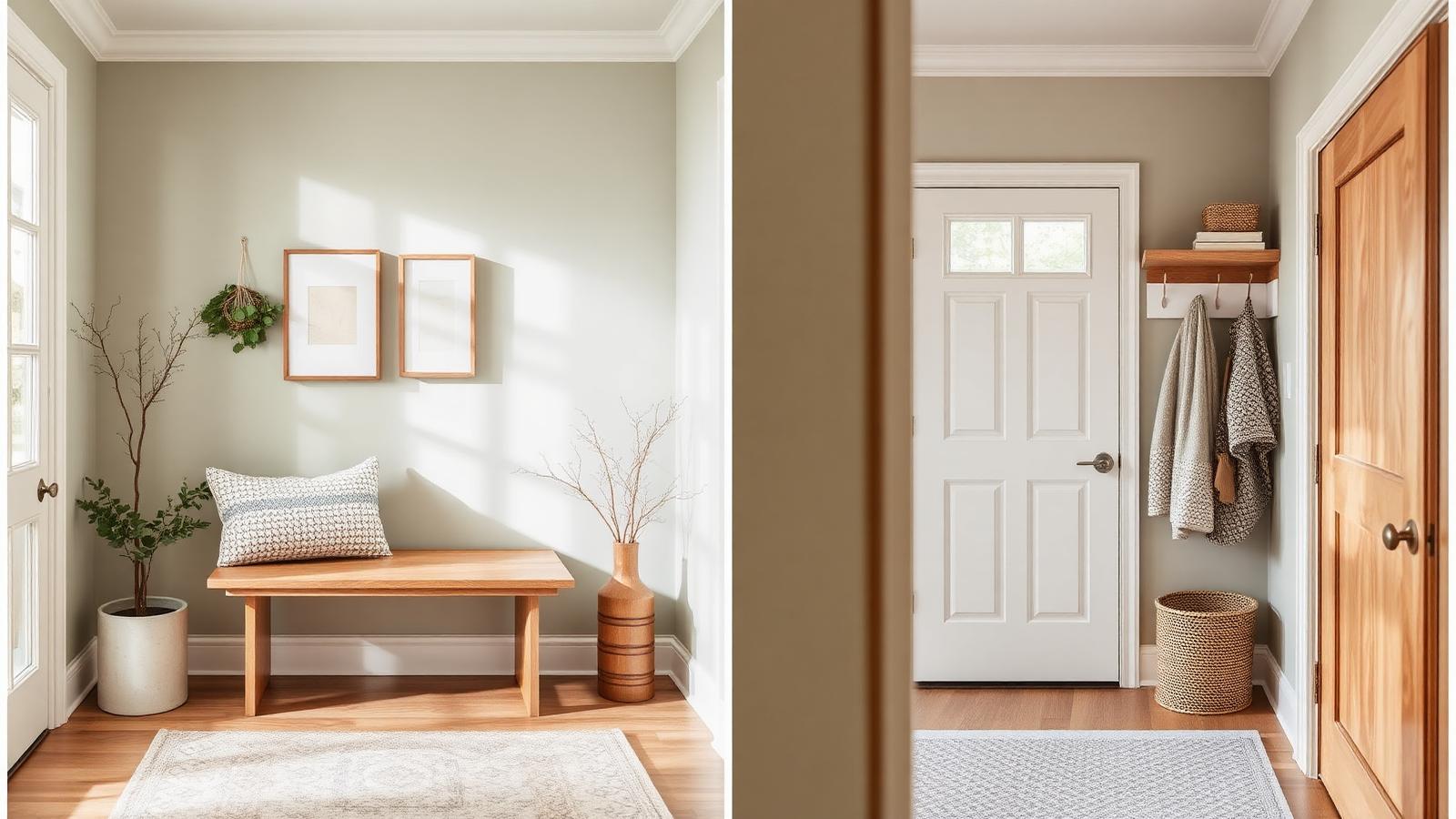
Utility rooms done right — defined zones, paired down storage, and lighting that treats them as rooms, not closets.
The Four Utility Rooms — And Why They Matter
These rooms get less Pinterest love than kitchens and living rooms, but they carry more daily friction than any other space in the house. A great entryway changes ten seconds of every arrival. A working mudroom absorbs the chaos of a family of four. A small office that works ends the kitchen-table desk era. A laundry room with a folding surface ends the bedroom-floor pile. Fix these first; the showpiece rooms get easier.
The Five Rules That Apply to All Four
- One job per zone. A bench is for sitting and shoes. A counter is for folding. Don't stack functions — each zone gets one primary use plus accepted overflow.
- Vertical storage beats deep storage. A 12" deep cabinet to the ceiling holds more than a 24" deep one at hip height — and you can actually see what's in it.
- Treat them as rooms, not closets. A pendant light, a rug, a piece of art, and one warm material upgrade utility space from "functional" to "I like being in here."
- Surface-clear over storage-full. One clear surface in each room (entry tray, mudroom bench top, office desk, laundry folding counter) is the single biggest predictor of whether the room stays organized.
- Plan for the worst day. Design the mudroom for the day everyone comes in wet. Design the office for the day you have three calls back-to-back. Design the laundry room for the day three loads pile up. Average-day design fails the bad day.
Budgets That Actually Work
- Entryway: $300–$800 DIY (bench, hooks, rug, tray, lamp). $1,500–$3,000 with built-ins.
- Mudroom: $800–$2,500 freestanding setup. $3,500–$8,000 for a built-in wall of lockers with bench seat. $10,000+ for floor-to-ceiling custom millwork with shoe drawers and pet station.
- Home office: $400–$1,200 for desk, chair, lamp, and one storage piece. $2,500–$6,000 for a built-in desk wall. The $700 chair is the single best line item — it beats a $2,000 desk on daily quality.
- Laundry room: $300–$800 for shelving, hamper, drying rack, and folding mat over the washer/dryer. $2,500–$5,000 for cabinets, sink, and folding counter. $8,000+ for full renovation with new floor, paint, lighting, and built-ins.
The Cluster — Every Room Guide
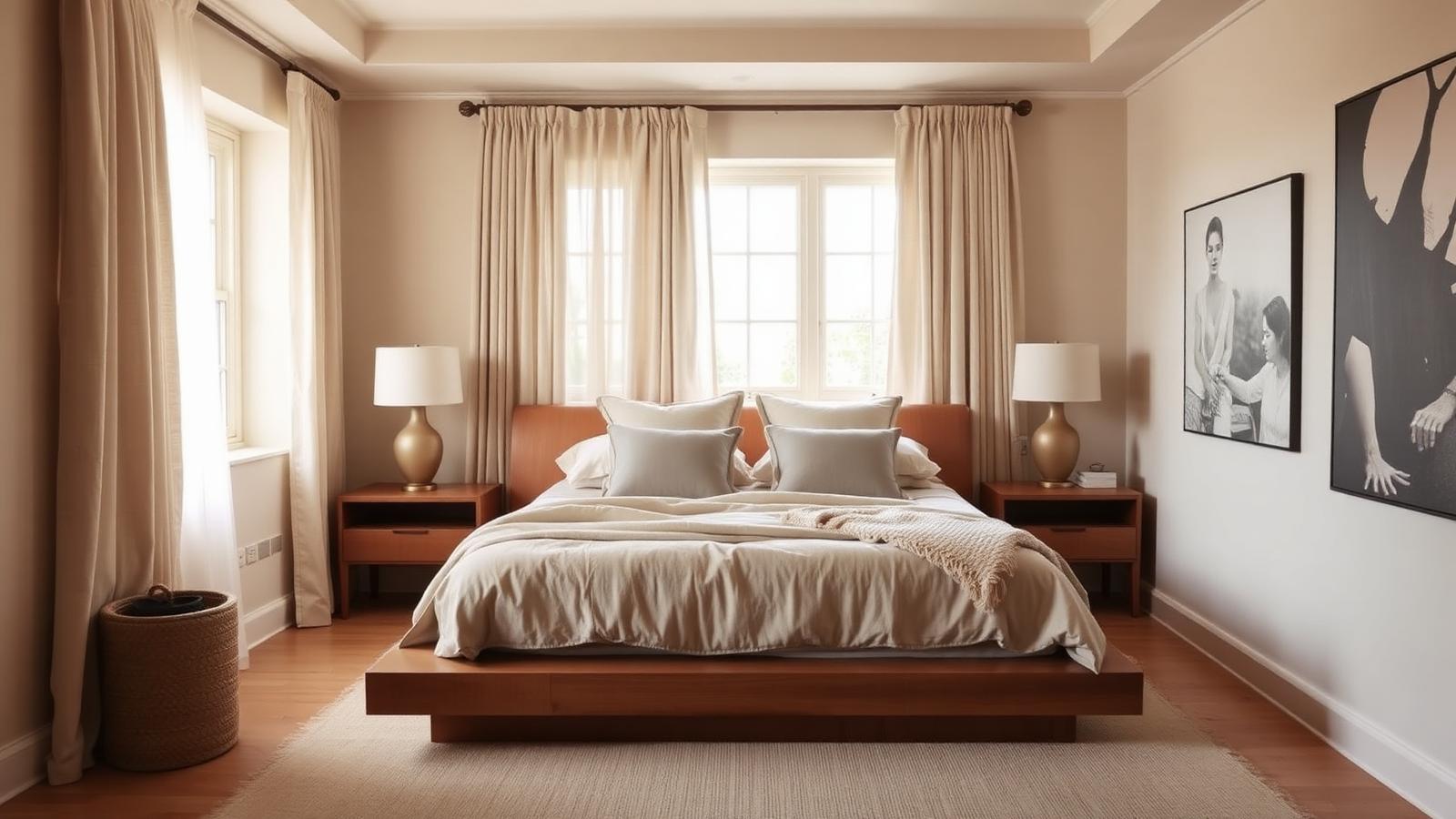
Primary Bedroom Ideas
Best for: The room that decides every morning
Layouts, the three-layer lighting rule, storage that stays hidden, and four budget plans from $600 to $18,000.
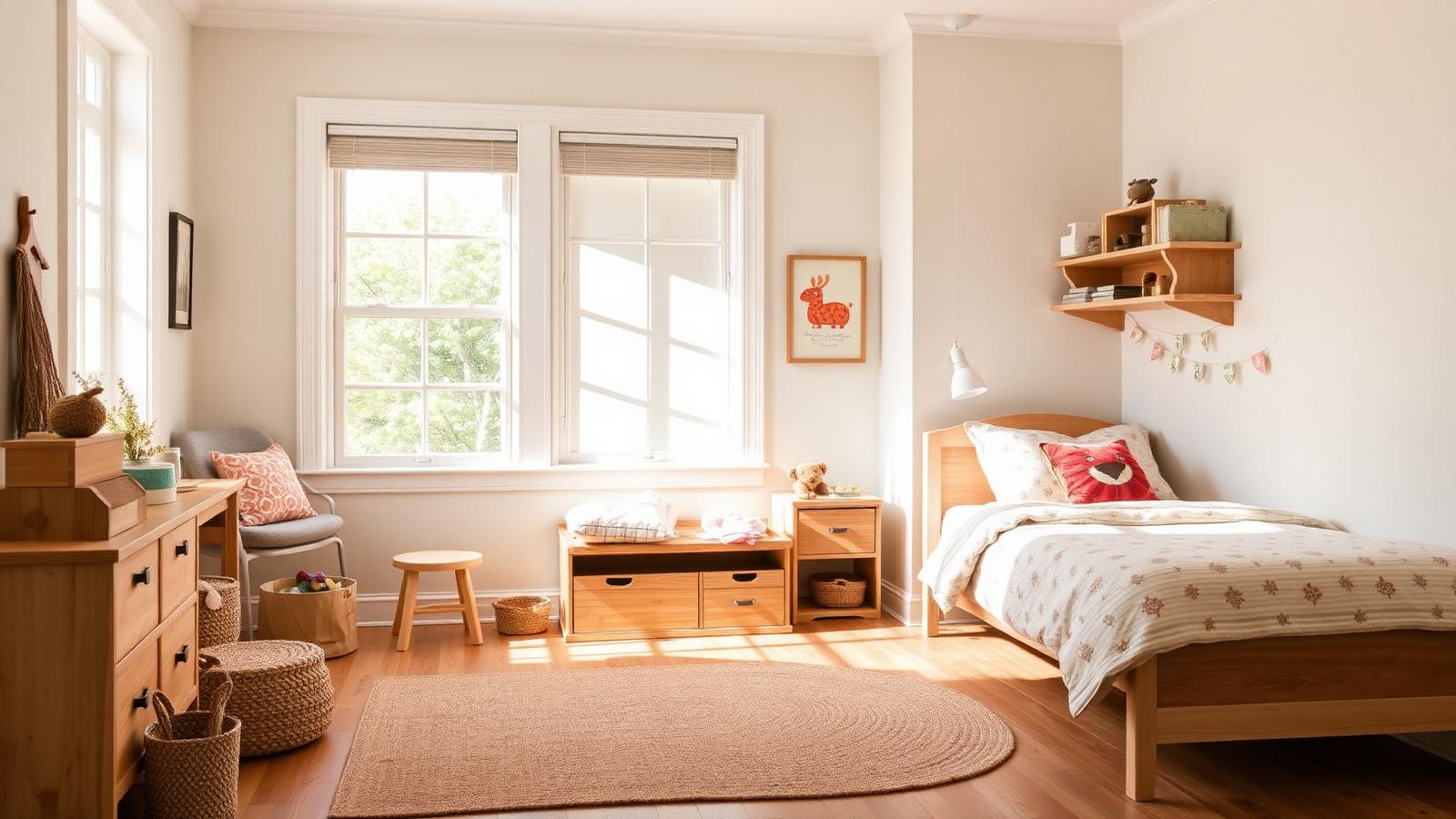
Kids Room Ideas
Best for: Toddler through teen, single and shared
Neutral base, swappable 20% — shared layouts, paint that lasts, storage at kid-height, and rooms that grow with the kid.
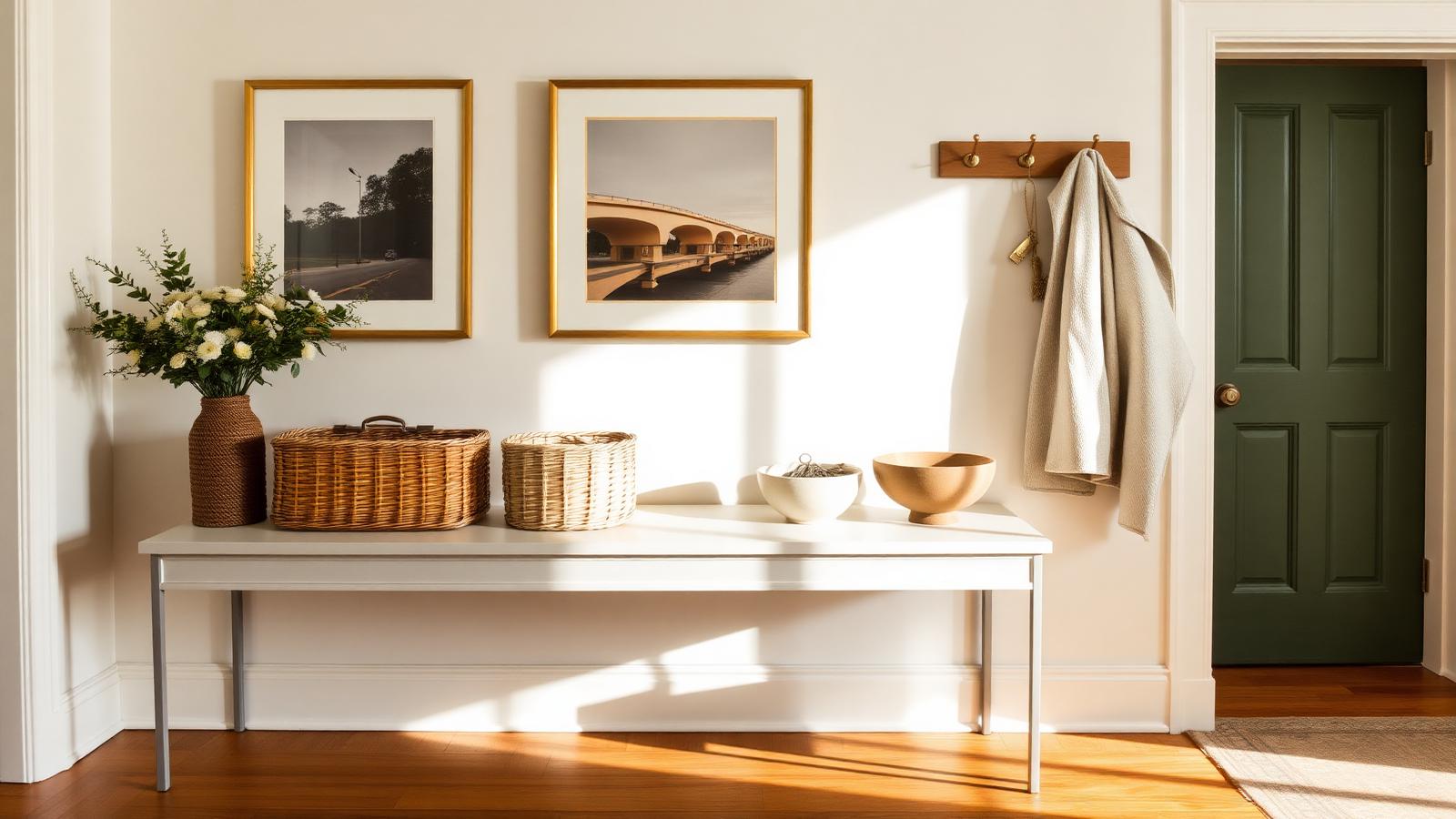
Entryway Ideas
Best for: First impressions and daily landing zone
The 3x4 zone that changes every arrival home — bench, hooks, rug, lighting, and the storage tricks that fit a 25 sq ft footprint.
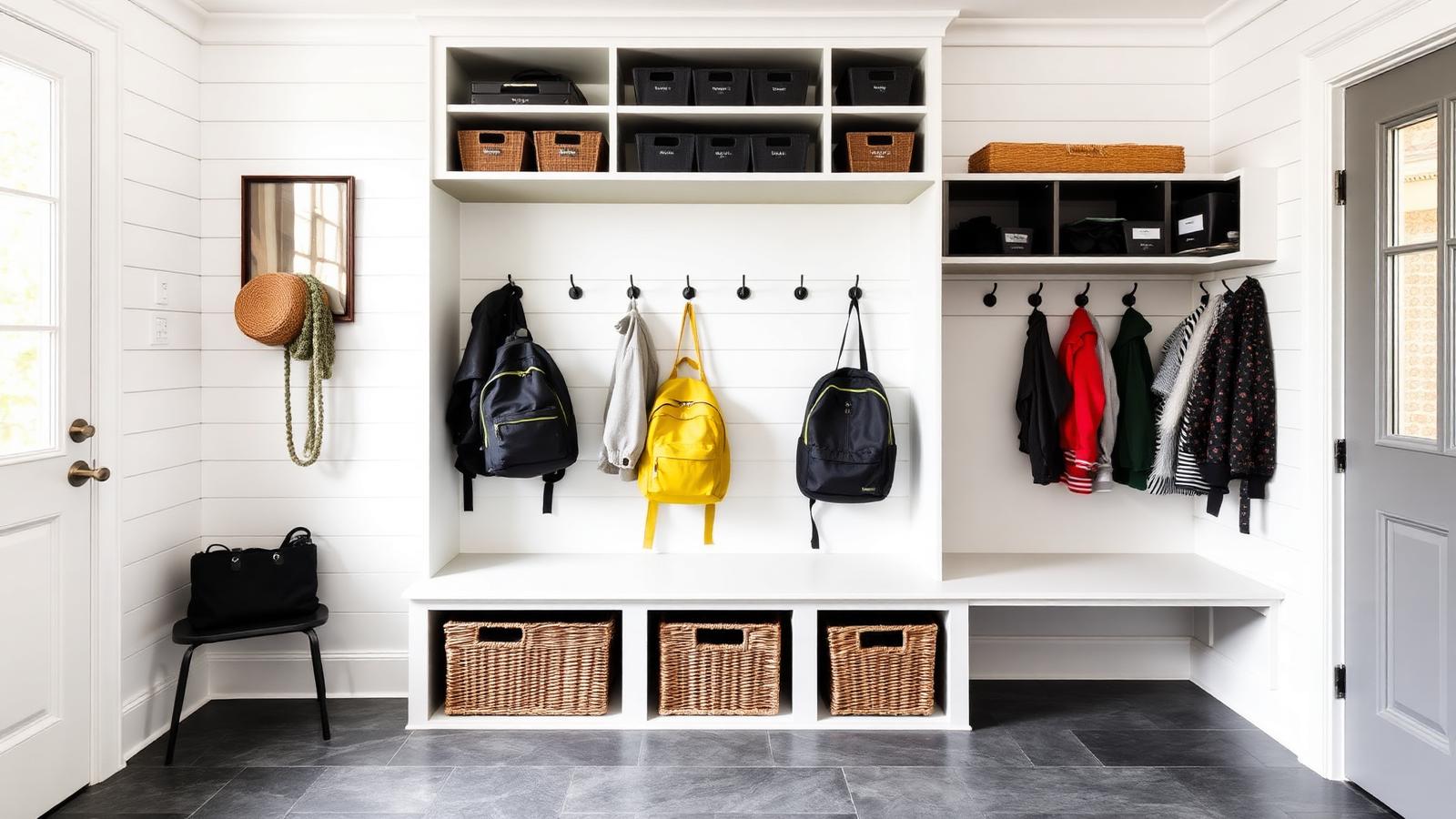
Mudroom Ideas
Best for: Family transition zone, back-door drops
Built-in vs freestanding, lockers vs open cubbies, flooring that survives boots, and the layouts that work in 40–80 sq ft.
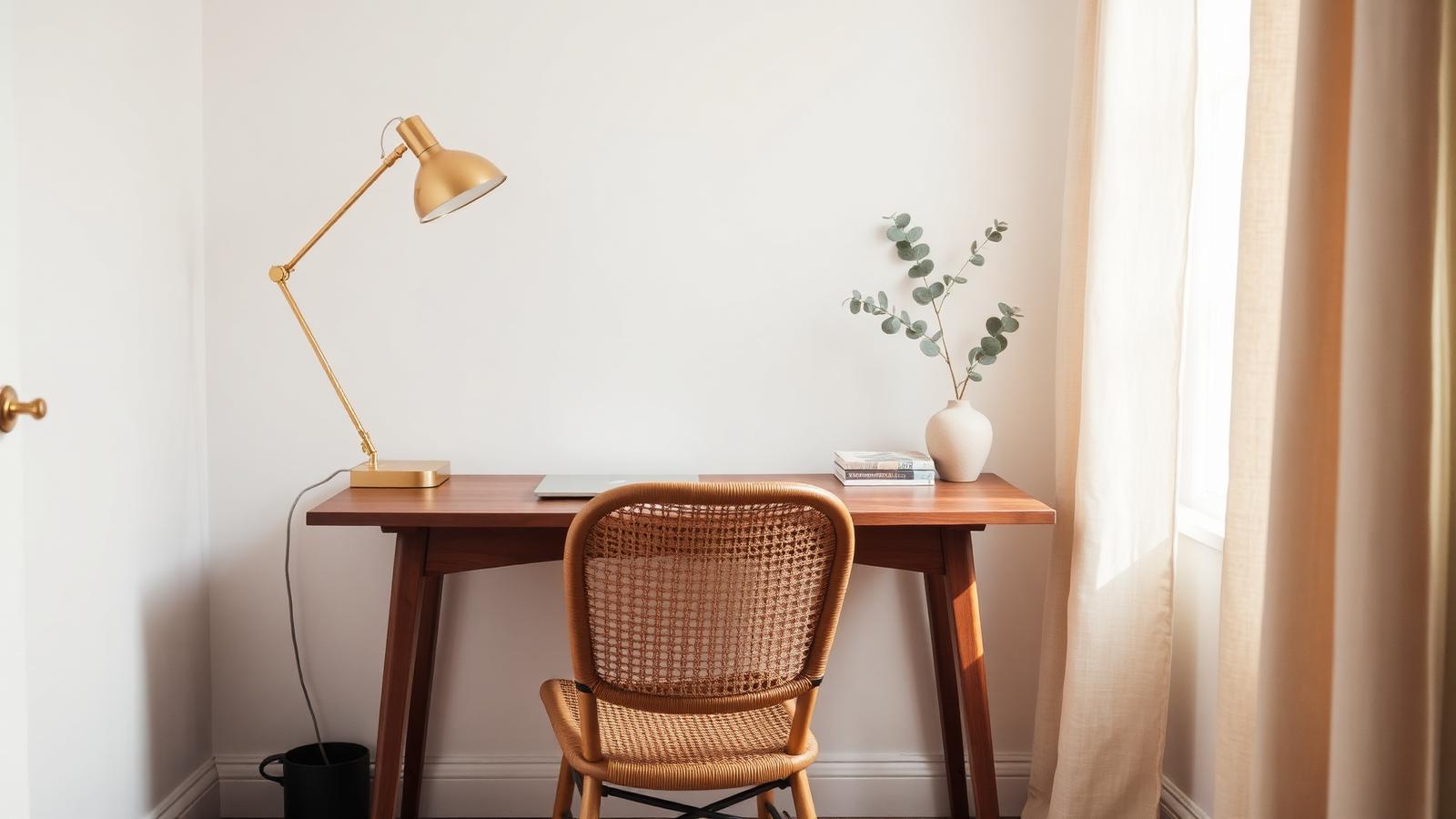
Home Office Ideas
Best for: Remote work, focused tasks
Layouts, lighting, video-call backgrounds, and the small-space tricks that make a 50 sq ft office work for daily use.
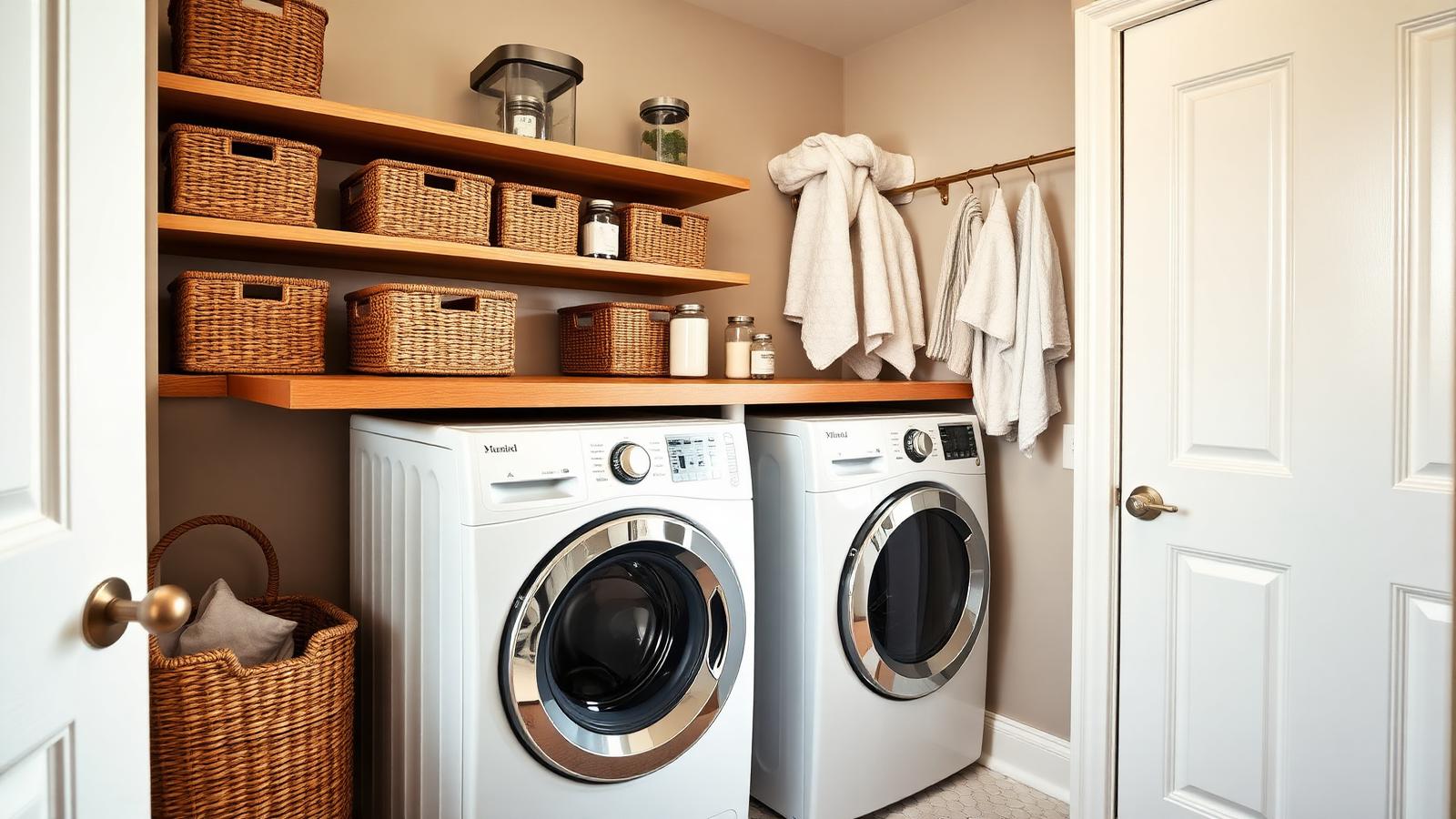
Laundry Room Ideas
Best for: Washer/dryer area, household utility
Stacked vs side-by-side, folding counters, drying racks, and the layouts that turn a closet or pass-through into a usable room.
Coming Soon
- Pantry Organization — shelving systems, decanting, and the layouts that work for reach-in and walk-in pantries
- Closet Organization — the rod-shelf-drawer ratio, color order, and the off-season swap
- Powder Room Design — the smallest room in the house, the biggest design swing per square foot
Keep Reading
- Home Organization Guide — the system that runs across every room
- Small Space Solutions — sizing down without losing function
- Home Remodel Guide — ROI rankings for every major project
Planning the Budget Next?
Design decisions get easier once you know the numbers. These cost guides use 2026 pricing from real quotes.
- Remodel Cost GuidesROI rankings and real pricing for every major project.
- Home Services CostsPanel upgrades, EV chargers, rewires, and rebates.
- Tub-to-Shower Conversion CostThe most-requested bathroom cost breakdown on the site.
Already holding a contractor quote? Bathroom Remodel Estimate Review — $49, back in 48 hours.
Frequently Asked Questions
Which room delivers the biggest quality-of-life upgrade for the money?
The entryway, by a wide margin. A $300–$800 entryway redo — bench, hooks, a tray, a rug, and lighting — changes the first ten seconds of every day for everyone in the house. Mudrooms are second; home offices third; laundry rooms last (laundry rooms are a value-add at resale but rarely shift daily life the way the front door does).
What's the right square footage for each of these rooms?
Entryway: 25–40 sq ft of dedicated floor space is enough — even a 3x4 zone with bench, hooks, and a rug reads as a room. Mudroom: 40–80 sq ft for a household of four. Home office: 50–80 sq ft works for one person; 100+ sq ft if you take video calls. Laundry room: 35 sq ft for stacked appliances, 60–80 sq ft for side-by-side plus folding counter.
Can you combine these rooms in a small house?
Yes, and it often works better than separate rooms. Entryway + mudroom is the most natural pairing — one door, one bench, one set of hooks. Laundry + mudroom is the classic small-house combo, with the washer/dryer stacked against one wall and the bench opposite. Home office + guest room works with a Murphy bed or a daybed. The combos to avoid: entryway + home office (visual chaos), laundry + home office (noise).
What's the order to tackle these rooms?
Entryway first — highest daily impact, lowest cost. Then whichever room is most painful in your house: if mornings are chaotic, mudroom; if you work from home, office; if laundry is a graveyard zone, laundry. The mistake is doing the laundry room first because it's contained — you'll spend the most and feel the least change.
Do these rooms add resale value?
A finished mudroom returns roughly 80–100% at resale — buyers love them in family-market homes. Dedicated home offices return 60–75% (the value rose post-2020 and has held). Laundry rooms on the main floor add 1–3% to home value vs basement laundry. Entryway upgrades don't show up as a line item on appraisals but consistently shorten time-on-market because they drive the first photo and the first impression.