
Interior Design Styles: The 2026 Visual Guide
A complete, opinionated guide to the major interior design styles defining 2026 — with the palette, signature furniture, and best use case for each. Use this as a map: scroll, identify what you're drawn to, and follow the link to the full guide for any style you want to build.
Updated May 2026 · 12 min read
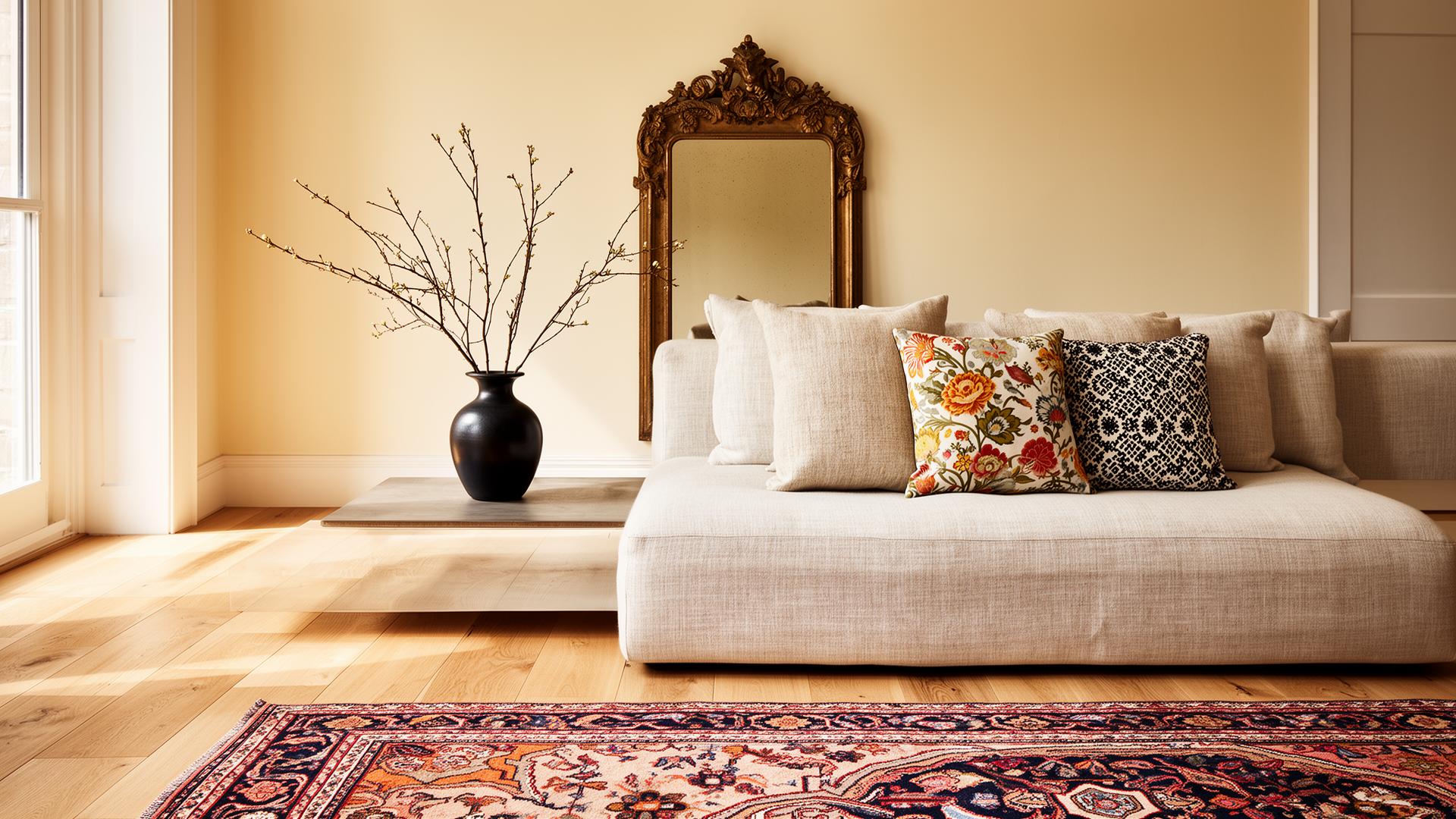
Most great rooms blend two or three styles — one dominant, one or two as accents.
Interior design styles aren't checklists — they're shared vocabularies. Once you can name what you're drawn to, every furniture purchase, paint pick, and shopping trip gets faster. This guide is built around the styles people actually search for and pin in 2026, with full standalone guides for the four covered in depth below.
How to Use This Guide
- Skim the cards below. Look at the photo first — your gut reaction is usually right.
- Read the palette and signature pieces. If both feel like you, that's your dominant style.
- Note one or two secondary styles. Most rooms blend 2–3.
- Open the full guide for the dominant style and use it as your shopping spec.
The Defining Styles of 2026
The styles below each have a complete, illustrated guide. Click through for paint picks, furniture sources, and full shopping lists.
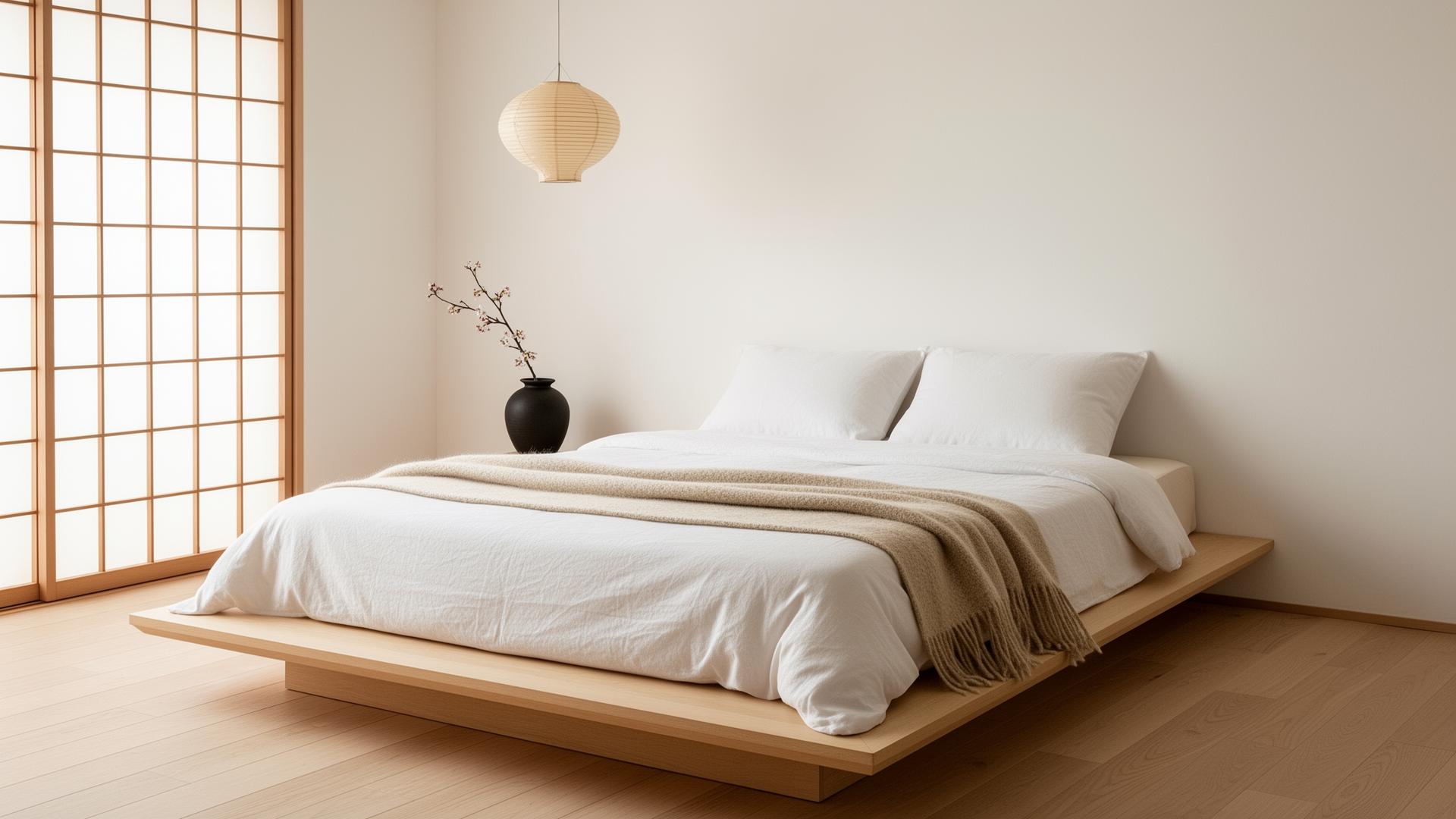
Japandi
Japanese wabi-sabi meets Scandinavian hygge. Calm, warm, minimal — low furniture in pale woods with linen, ceramic, and paper.
- Palette
- Cream, oatmeal, sand, black, sage
- Signature
- Low platform bed · paper pendant · single branch in black vase
- Best for
- Small apartments, bedrooms, anyone craving calm
Read the full guide →
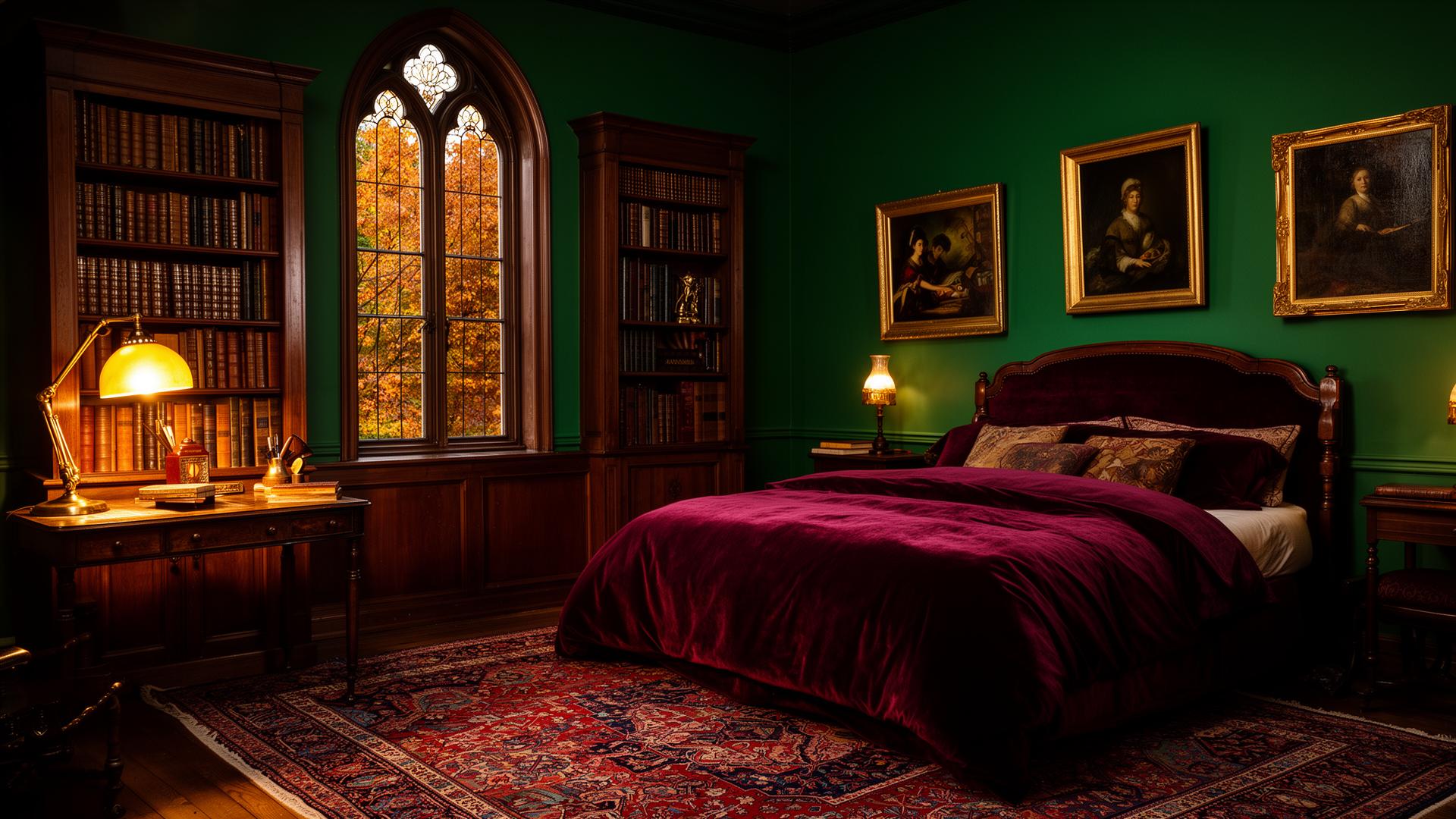
Dark Academia
Old European library energy — moody walls, leather, velvet, oil paintings, and the warmth of a single brass lamp.
- Palette
- Studio green, oxblood, chocolate, brass, cream
- Signature
- Brass banker's lamp · hardback books · gilt-frame oil painting
- Best for
- Bedrooms, studies, north-facing rooms
Read the full guide →
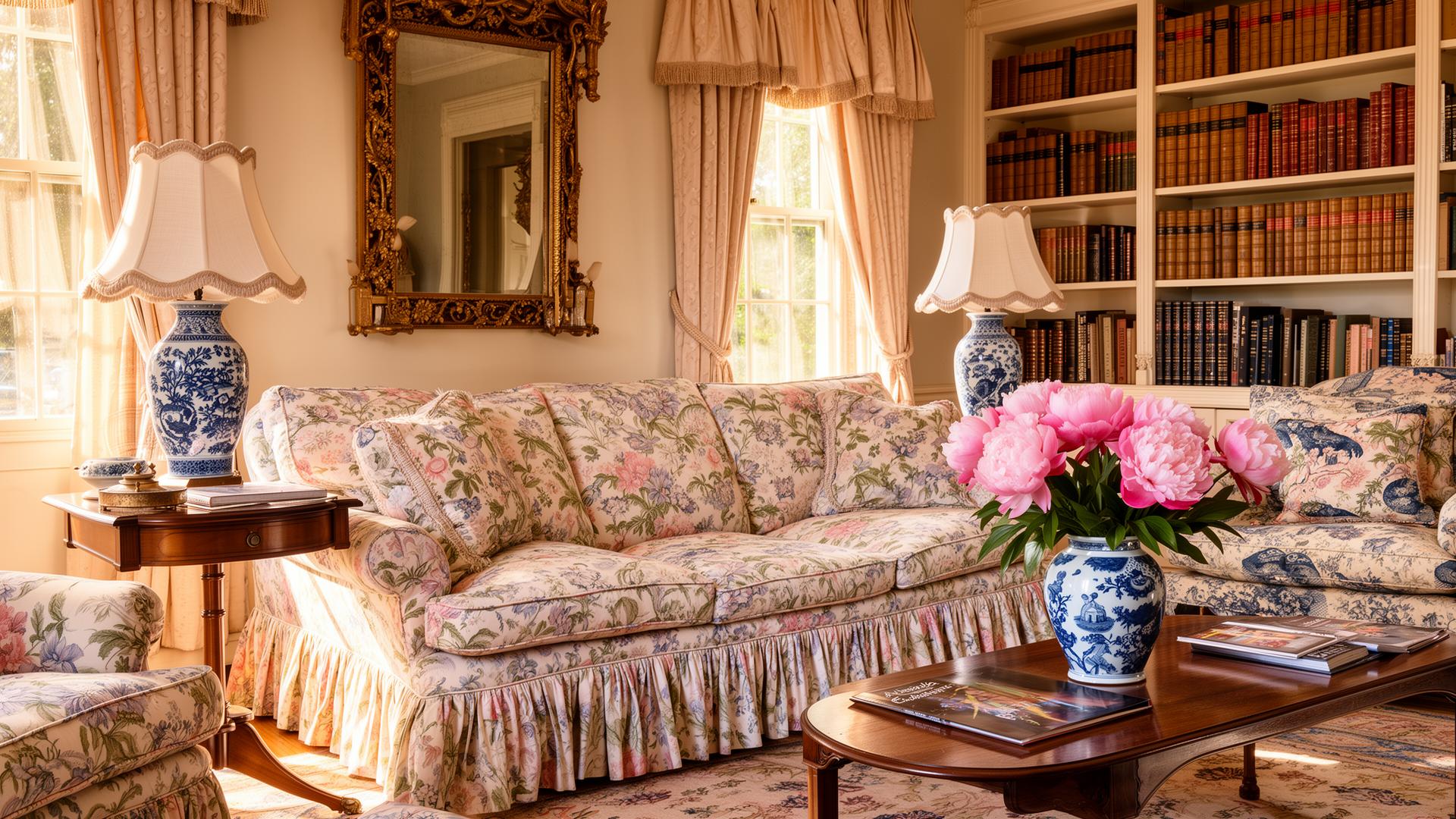
Grandmillennial
Pattern-mixing revival — chintz, toile, ginger jars, scalloped shades, all updated with a lighter palette and modern restraint.
- Palette
- Pink ground, sage, navy, butter yellow, white dove
- Signature
- Blue-and-white ginger jar lamps · skirted sofa · pleated shades
- Best for
- Living rooms, dining rooms, formal entryways
Read the full guide →
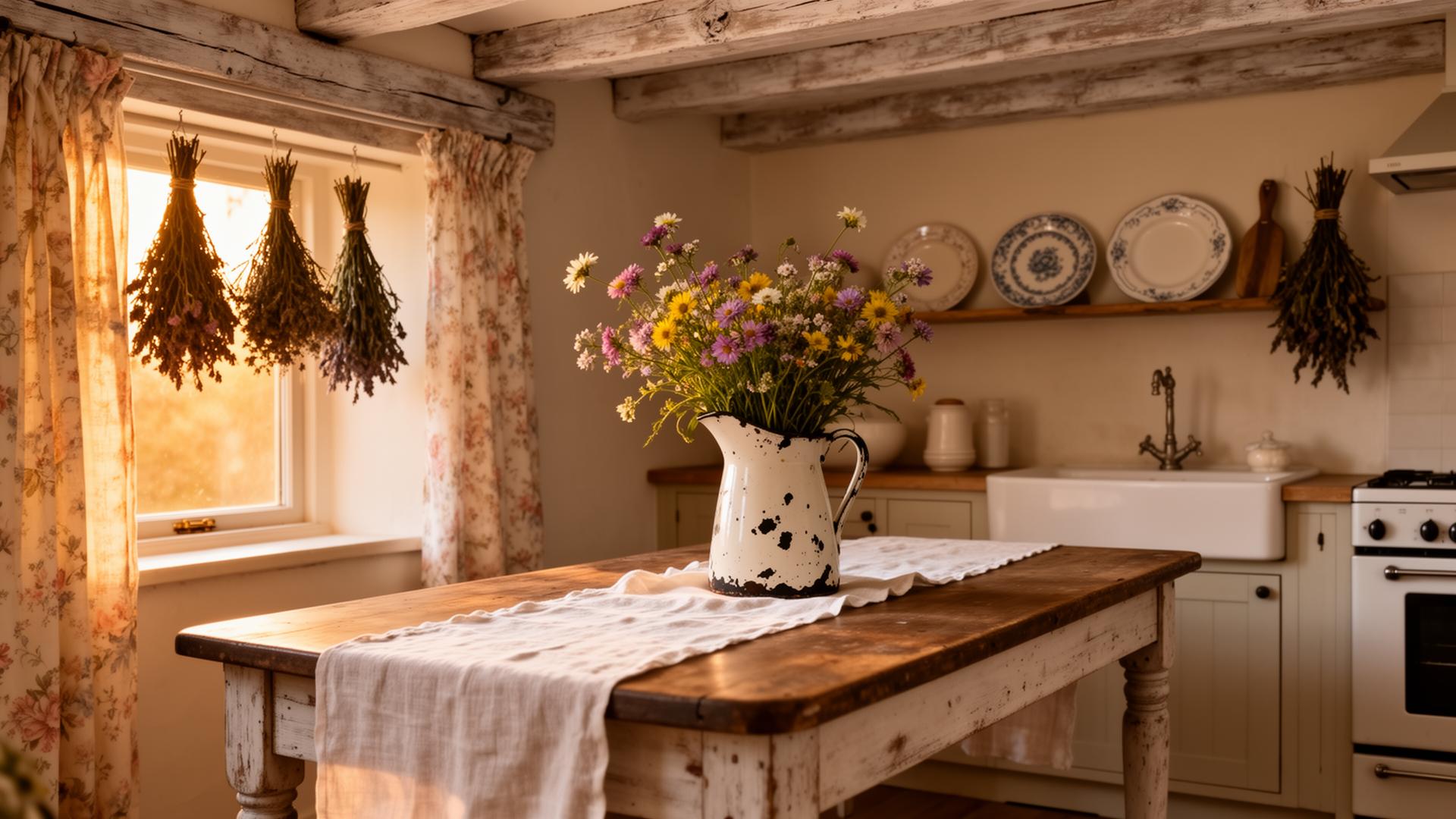
Cottagecore
Romantic rural aesthetic — floral wallpapers, ironstone, wildflowers, painted wood, and the slow life of a 100-year-old cottage.
- Palette
- Cream, sage, dusty rose, butter, soft blue
- Signature
- Slipcovered sofa · open-shelf ironstone · wildflowers in enamel pitcher
- Best for
- Kitchens, dining nooks, rental apartments
Read the full guide →
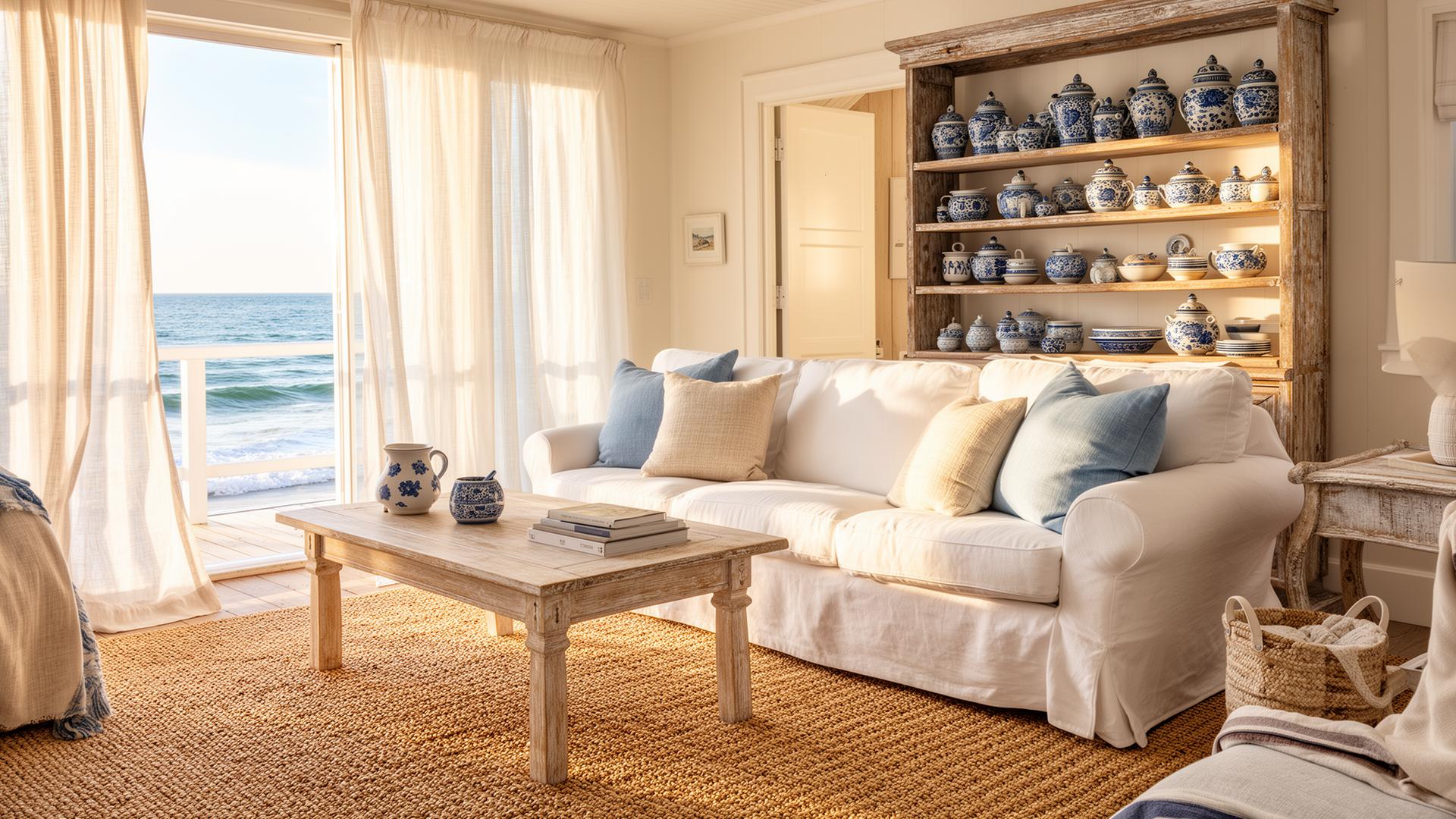
Coastal Grandmother
Nancy Meyers-coded — bright, airy, casually elegant. White linen, weathered oak, blue-and-white ceramics, and sheer curtains.
- Palette
- White, cream, pale blue, sand, driftwood
- Signature
- Linen slipcovered sofa · blue ginger jar · sheer curtains · jute rug
- Best for
- Living rooms, kitchens, sunrooms, small apartments
Read the full guide →
Quick Comparison Table
| Style | Mood | Pattern density | Budget |
|---|---|---|---|
| Japandi | Calm, serene | Minimal | $$ — quality over quantity |
| Dark Academia | Moody, scholarly | Medium | $ — thrift-friendly |
| Grandmillennial | Playful, traditional | High | $$ — mix thrift + new |
| Cottagecore | Romantic, rural | Medium-high | $ — thrift-heavy |
| Coastal Grandmother | Bright, relaxed | Low | $$ — linen + oak |
Other Styles Worth Knowing
The styles below are on our editorial calendar — each will get a full guide. Until then, here's the one-line summary so you can recognize them in the wild:
- Modern Organic. Warm neutrals, plaster walls, sculptural wood, the new minimalism
- Quiet Luxury. Cashmere, marble, brass — wealth without logos
- Maximalist. More-is-more pattern, color, and collected objects
- Modern Farmhouse. Shiplap, black hardware, white kitchens — the 2010s holdover
How to Mix Styles Without It Looking Random
The three rules every interior designer uses when blending styles:
- Share a palette. Two styles can mix freely if they share two or three core colors. Japandi cream + cottagecore cream + cottagecore sage works; Japandi cream + dark academia oxblood does not.
- Pick one dominant and stick to it. 60–70% of the room is the dominant style; the rest is accent. If you sprinkle equally from three styles, it reads as confused.
- Repeat materials. If you have one piece in brass, add a second somewhere else in the room. The eye reads repetition as intentional and one-offs as accidental.
What About 'Coastal,' 'Boho,' and 'Mid-Century'?
These remain popular but have evolved. Coastal has largely merged into "coastal grandmother" — less nautical, more linen and weathered oak. Boho has cooled significantly; what people are buying instead is modern organic with one or two boho accents. Mid-century is now baseline rather than a style — most furniture sold in 2026 has mid-century-influenced silhouettes, even within other style categories.
What's Cooling Off
Modern farmhouse, all-gray everything, industrial loft, and pure Scandinavian minimalism have all peaked. They're not wrong — they just no longer signal "current." If you're renovating now and care about freshness, swap shiplap for plaster, gray for greige or warm white, and Edison bulbs for paper or linen shades.
Planning the Budget Next?
Design decisions get easier once you know the numbers. These cost guides use 2026 pricing from real quotes.
- Remodel Cost GuidesROI rankings and real pricing for every major project.
- Home Services CostsPanel upgrades, EV chargers, rewires, and rebates.
- Tub-to-Shower Conversion CostThe most-requested bathroom cost breakdown on the site.
Already holding a contractor quote? Bathroom Remodel Estimate Review — $49, back in 48 hours.
Frequently Asked Questions
What are the most popular interior design styles in 2026?
The five most-searched and most-pinned interior design styles in 2026 are Japandi (Japanese-Scandinavian minimalism), dark academia (moody, scholarly, library-inspired), grandmillennial (traditional pattern-mixing revival), cottagecore (romantic rural), and modern organic (warm neutrals with natural materials). Modern farmhouse has cooled significantly, while transitional and quiet luxury continue to dominate higher-end interiors.
How do I figure out my interior design style?
Save 20–30 rooms you love on Pinterest or Instagram, then look for patterns: the palette (warm or cool, dark or light), the furniture silhouettes (sculptural or traditional, low or tall), the level of pattern (sparse or layered), and the textiles (linen, velvet, leather, wool). Most people fit one dominant style plus one secondary influence — for example, mostly Japandi with cottagecore touches in the kitchen. The styles below each include the diagnostic markers that define them.
Can I mix interior design styles?
Yes — most professionally designed rooms mix two or three styles. The rule is one dominant style (60–70% of the room) plus one or two complementary influences. Japandi pairs well with modern organic; dark academia pairs with grandmillennial; cottagecore pairs with English country. Avoid mixing styles with opposing palettes (e.g., Japandi cream + dark academia oxblood in the same room rarely works).
What's the difference between modern, contemporary, and transitional?
Modern refers to a specific 20th-century movement (clean lines, neutral palette, minimal ornamentation — think mid-century or Bauhaus). Contemporary is whatever is current right now — the term shifts each decade. Transitional sits deliberately between traditional and contemporary, blending classic furniture silhouettes with cleaner lines and a neutral palette. Most American homes labeled 'contemporary' on Zillow are actually transitional.
Which interior design styles work best in small spaces?
Japandi and Scandinavian minimalism are best for small spaces — low furniture, light woods, and uncluttered surfaces visually expand a room. Dark academia surprisingly works well in small bedrooms because the saturated walls create a cocooning effect. Avoid grandmillennial and maximalist styles in tight spaces unless you have great storage; the pattern density needs breathing room.
Which interior design style has the best resale value?
Transitional and modern organic consistently appraise best because they appeal to the widest pool of buyers — neutral palette, classic furniture silhouettes, no polarizing pattern. Highly specific styles like dark academia, maximalism, or heavy grandmillennial can hurt resale unless the home is in a market that prizes character. The rule for renovations you might sell within five years: design in a neutral envelope, express style through furniture and textiles you take with you.