
Small-Space Solutions: The 2026 Guide to Living Bigger in Less
Small-space content usually splits into two camps — either tiny-house porn that doesn't survive a real household, or generic "use vertical space!" advice that doesn't tell you what to actually buy. This is the editorial middle: the rules that make small spaces read large, the products and built-ins worth the money, and the rooms and zones where the right investment pays back daily.
Updated May 2026 · 9 min read
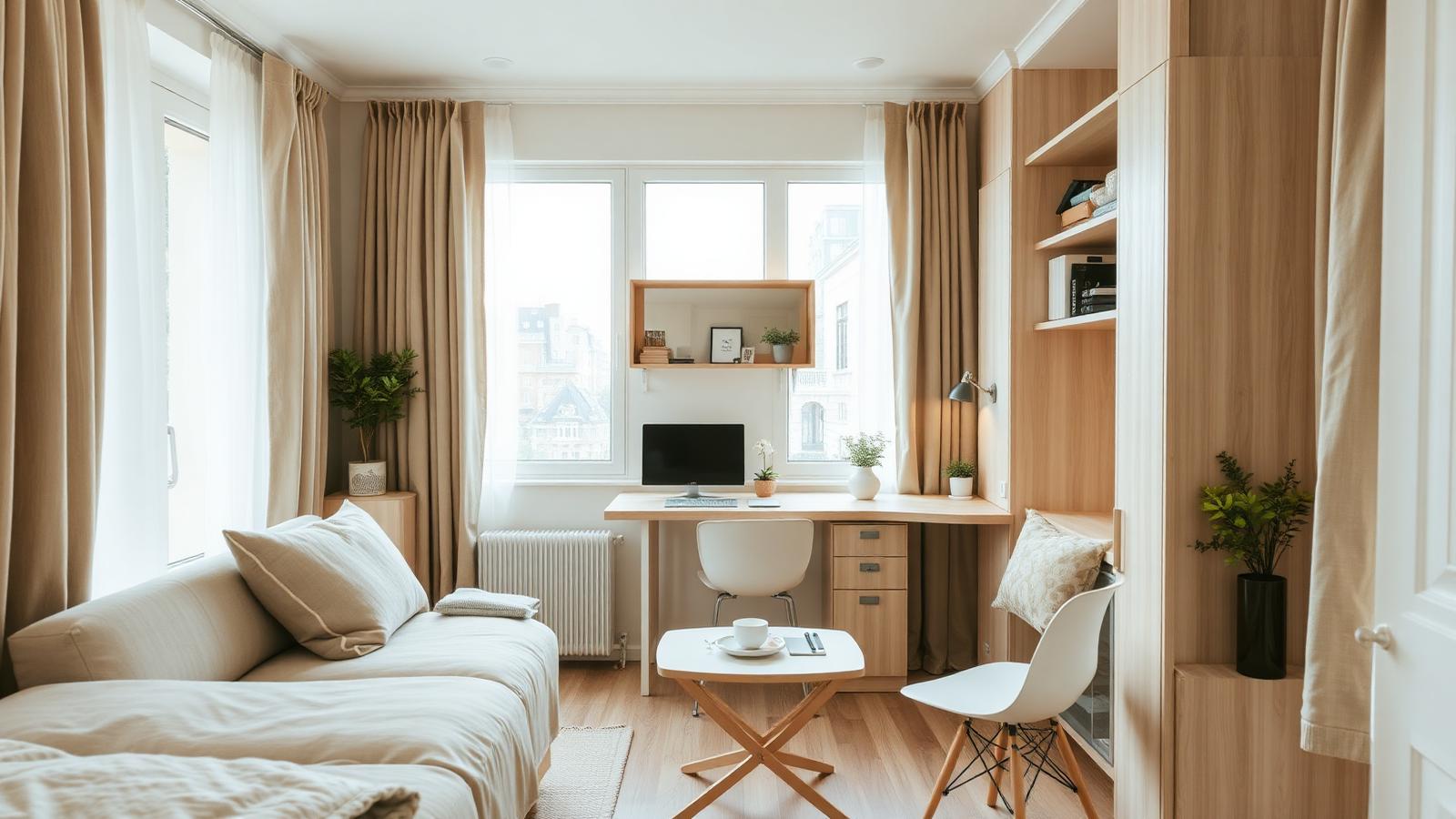
The small spaces that feel large share three traits: vertical storage to the ceiling, a tight 3-color palette, and one piece fewer than you think.
The Five Rules That Make Small Spaces Feel Large
- Raise the sight lines. Curtains to the ceiling. Art hung at 60–66 inches on center, not 56. Shelving that reaches the crown.
- Lift furniture off the floor. Visible legs, not skirts. A glimpse of floor under every piece reads as more floor.
- One flooring throughout. Hardwood transitions into tile transitions into carpet make 800 sq ft feel like three 270-sq-ft rooms.
- A three-color palette, maximum. One dominant, one secondary, one accent. Add wood tone as a neutral, not a fourth color.
- Light at three heights. Overhead, table, and floor — never rely on a single ceiling fixture.
How to Use This Guide
Pick the room or function you're losing the most space to right now. Each guide below is self-contained — products, build cost, and the layouts that work. The best small-space investment is almost always built-in vertical storage; the worst is usually one more "clever" piece of furniture.
Small-Space Guides
Each guide below is a complete walkthrough — products, build options, and the decisions that matter.
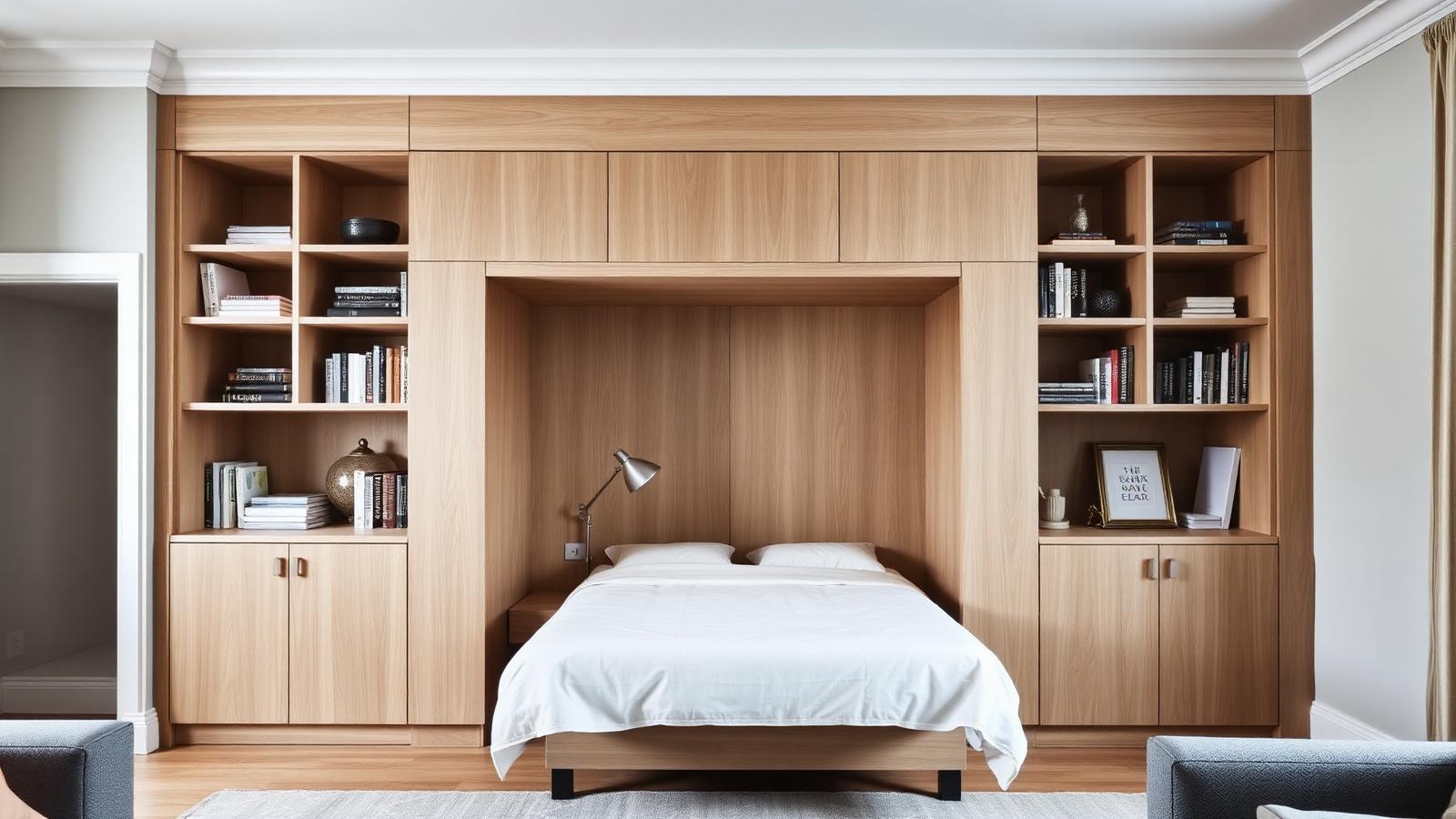
Murphy Bed Ideas
Modern wall beds, IKEA hacks, built-in cabinet integrations, and the mechanism quality that decides whether yours lasts five years or twenty.
- Best for
- Studios, home offices, guest rooms
- Budget
- $1,500–$8,000
Read the full guide →
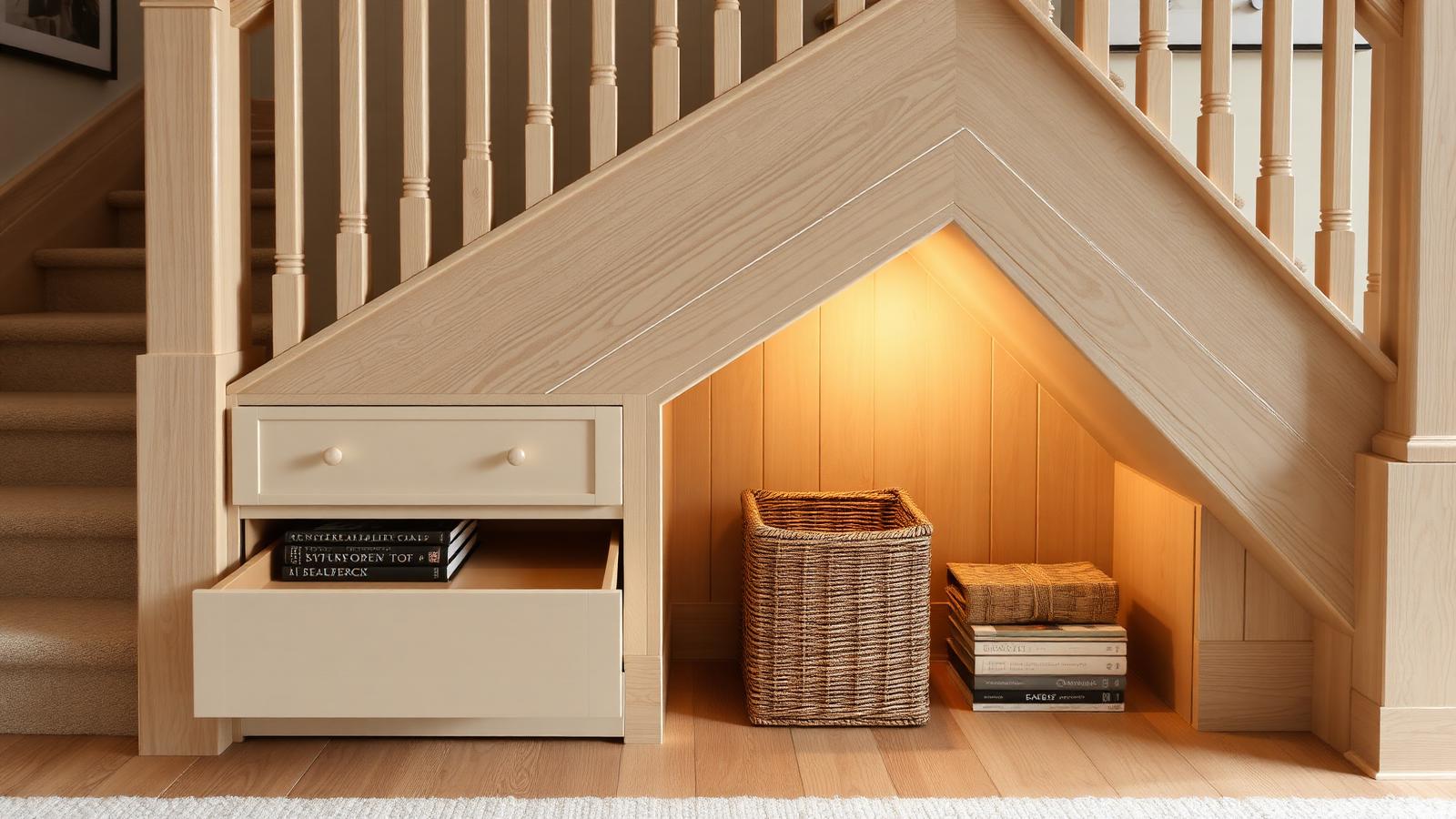
Under-Stairs Storage
Pull-out drawers, reading nooks, wine cellars, mudroom cubbies, and the IKEA hacks that turn dead triangle space into a small walk-in closet.
- Best for
- Houses with open staircases
- Budget
- $400–$8,000
Read the full guide →
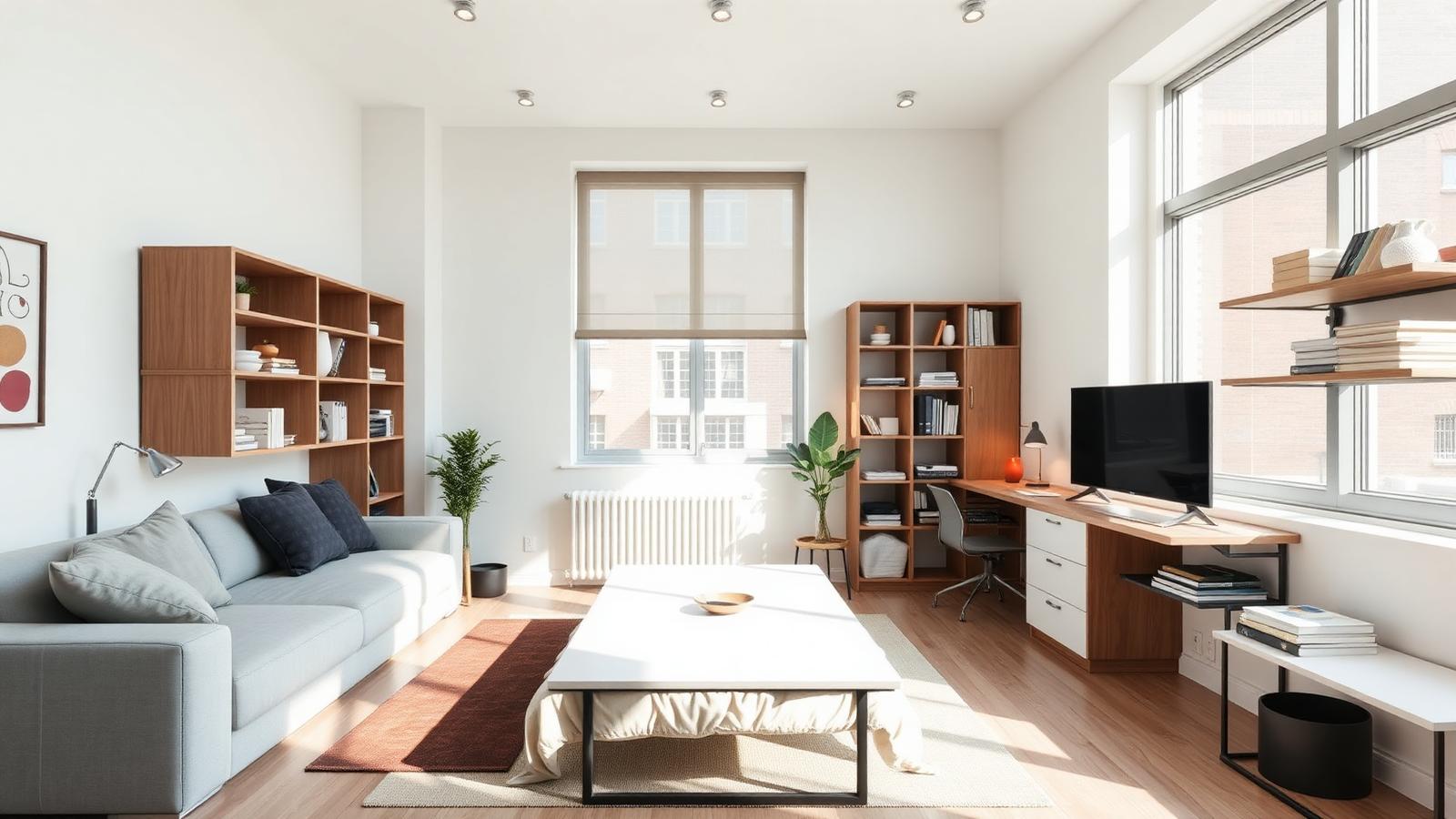
Studio Apartment Ideas
The seven floor plans that make a studio feel like a one-bedroom — zoning cues, dividers, and the furniture that earns its square footage under 500 sq ft.
- Best for
- Studios 300–500 sq ft
- Budget
- $1,500–$10,000
Read the full guide →
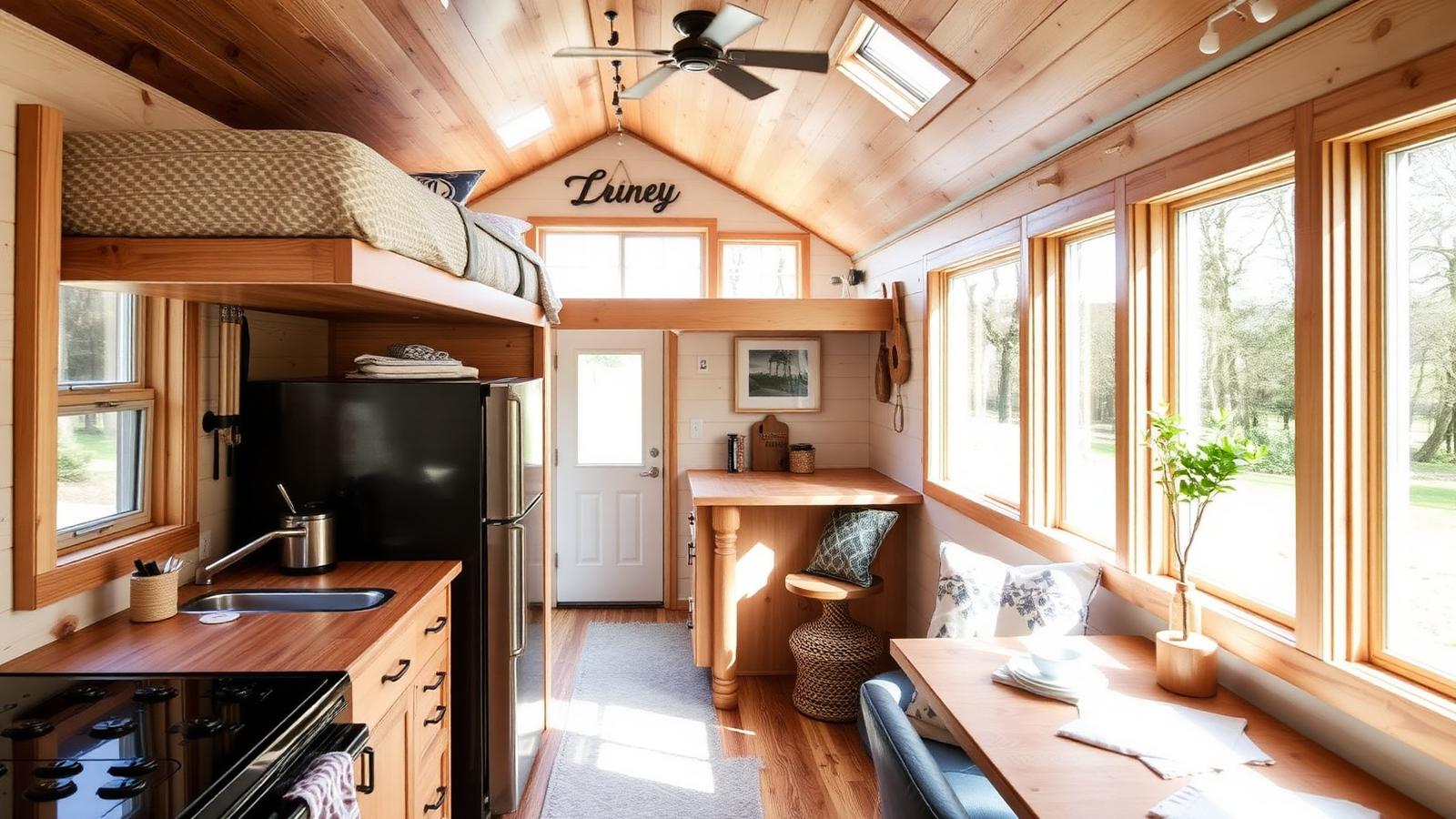
Tiny House Ideas
Real layouts under 400 sq ft — loft vs downstairs bedroom, storage you have to design in at framing, and 2026 build costs from DIY to turnkey.
- Best for
- Tiny homes under 400 sq ft
- Budget
- $30k–$175k
Read the full guide →
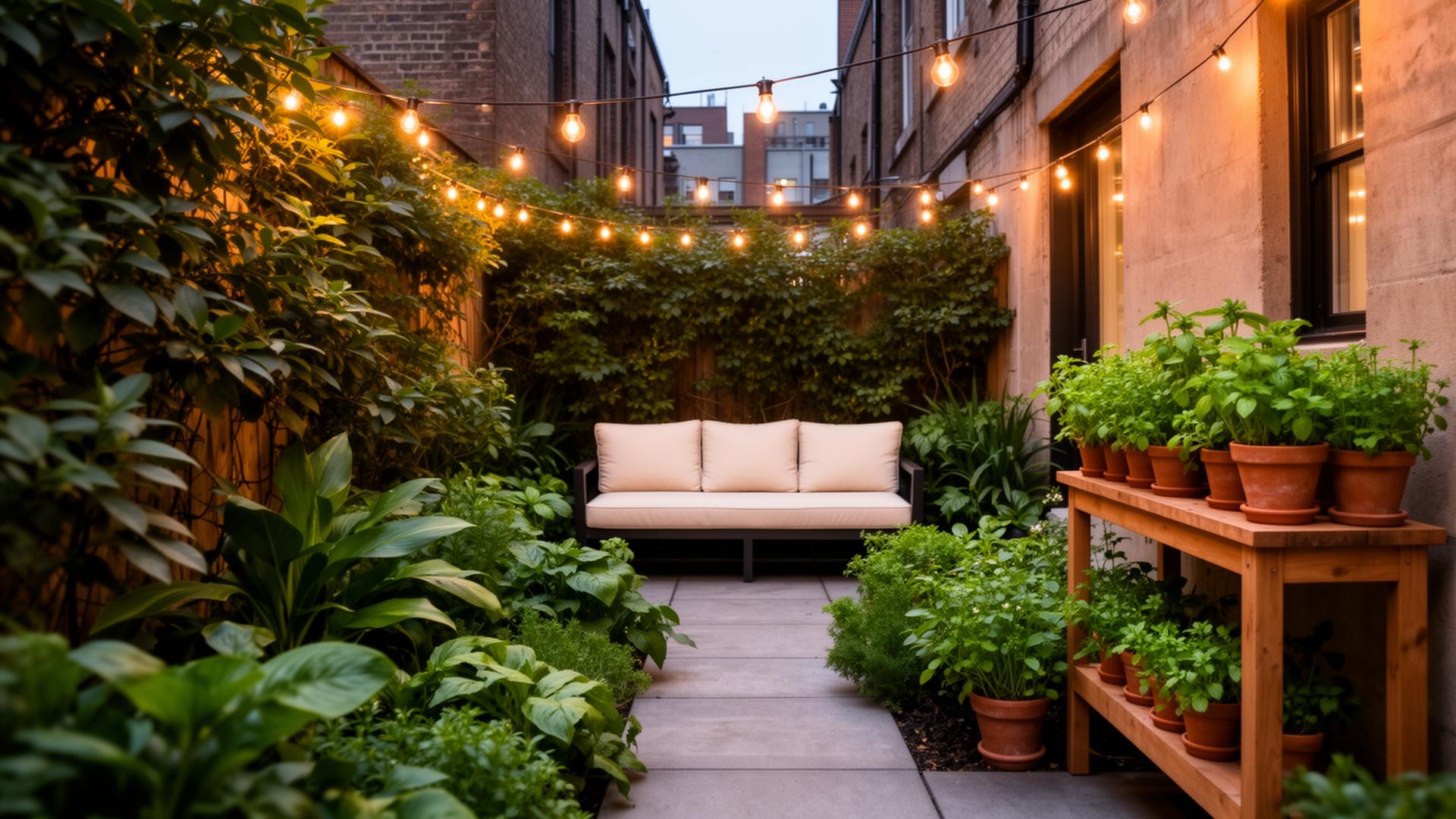
Small Backyard Ideas
Layouts, privacy solutions, furniture, plants, and lighting for outdoor spaces under 400 sq ft — patios, townhomes, and urban gardens.
- Best for
- Tiny outdoor lots
- Budget
- $200–$5,000
Read the full guide →
The Highest-ROI Small-Space Investments
- Floor-to-ceiling built-ins. Doubles wall storage, lifts the ceiling visually. $1,500–$5,000 for a wall of IKEA Pax with custom doors.
- A quality Murphy bed. Reclaims 25–35 sq ft of daily floor space in a studio or guest room.
- Under-stair build-outs. 36–60 cubic feet of storage from triangle space most homes ignore.
- One large rug instead of many small. A rug that fits at least two pieces of furniture grounds the room and reads as more floor.
- Mirror opposite a window. Doubles natural light. One mirror, not five.
Mistakes That Make Small Spaces Feel Smaller
- Tiny furniture. Small rooms need fewer, normal-sized pieces — not a parade of small ones.
- Open shelves loaded with stuff. Visual clutter reads as spatial clutter. Closed storage wins below eye level.
- Curtain rods at window-frame height. Drops the ceiling 12 inches. Hang at the crown.
- Skirted sofas. Visual weight to the floor. Always show the legs.
- Multi-functional everything. One transforming piece is clever; three is a magician's act. Most stop being used by month two.
More Guides Coming
- RV Organization. Bins, vertical storage, and weight-balancing for full-time RV living
- Small Closet Organization. Reach-in vs walk-in optimization with Elfa, IKEA Pax, and DIY systems
Planning the Budget Next?
Design decisions get easier once you know the numbers. These cost guides use 2026 pricing from real quotes.
- Remodel Cost GuidesROI rankings and real pricing for every major project.
- Home Services CostsPanel upgrades, EV chargers, rewires, and rebates.
- Tub-to-Shower Conversion CostThe most-requested bathroom cost breakdown on the site.
Already holding a contractor quote? Bathroom Remodel Estimate Review — $49, back in 48 hours.
Frequently Asked Questions
What's the single most impactful small-space change?
Vertical storage that goes to the ceiling. Most apartments waste the top 18–36 inches of every wall — the same square footage as another closet. Floor-to-ceiling shelving, tall wardrobes, and cabinets that reach the molding visually heighten the room while doubling usable storage. The second-highest impact change is removing one piece of furniture, not adding one.
How do you make a small space feel bigger?
Five rules: (1) raise sight lines — pull curtains to the ceiling and hang art high; (2) lift furniture off the floor — legs visible, not skirted; (3) use one consistent flooring through the whole space; (4) keep the palette tight — 3 colors maximum; (5) layer light at three heights instead of relying on one overhead fixture. Mirrors help; over-mirroring looks like a gym.
Is a Murphy bed worth it?
Yes for studios, home offices that double as guest rooms, and one-bedrooms hosting visitors monthly. Modern Murphy beds with quality piston mechanisms last 15–20 years and reclaim 25–35 sq ft of floor space daily. Skip if the bed will stay down 90% of the time — a real bed costs less and sleeps better. Budget $1,500 for a kit, $3,500–$8,000 for built-in cabinetry around it.
How much storage can fit under stairs?
A typical 13-step staircase has 36–60 cubic feet of usable space underneath — equivalent to a small walk-in closet. The highest-utility builds: pull-out shoe drawers near the entry side, deep pull-outs for vacuum and seasonal items in the middle, and a small reading nook or cabinet for the low end. Custom under-stair built-ins run $2,500–$8,000; IKEA-hack solutions land at $400–$1,200.
What furniture should I avoid in small spaces?
Oversized sectionals, deep recliners, bedroom benches, console tables behind sofas, and any furniture with skirts to the floor — they read as visual weight and dust traps. Also skip nesting tables you'll never separate, ottomans without storage, and headboards thicker than 4 inches. The right answer is usually one fewer, better piece — not two clever pieces.
Start with a complete guide
Murphy Bed Ideas →Under-Stairs Storage →Studio Apartment Ideas →Tiny House Ideas →Small Backyard Ideas →