
Outdoor Living: Decks, Patios & Backyards That Actually Get Used
A yard isn't an outdoor room until someone sits in it on a Tuesday. Below — the deck-vs-patio decision, the layouts that turn a flat lawn into a destination, the materials that age well, and the cluster of guides covering every decision under the open sky.
Updated May 2026 · 11 min read
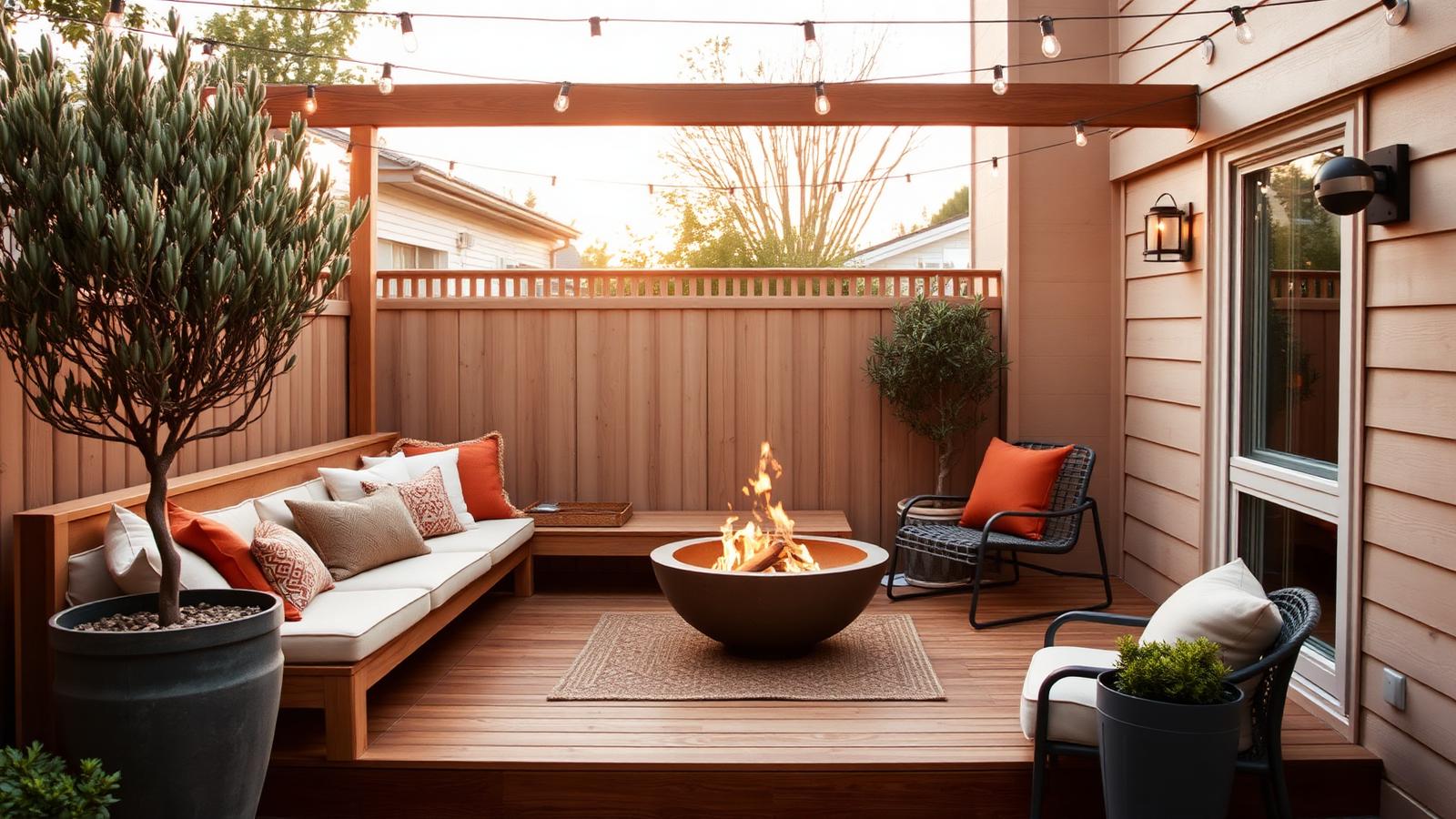
A small outdoor room: cedar deck, built-in bench, fire bowl, string lights — five elements that turn a 200 sq ft slab into a place people actually use.
The Five Elements of an Outdoor Room
- A defined floor. Pavers, deck, gravel, or even an outdoor rug — the room starts when the ground reads as a separate plane from the lawn.
- A focal point. Fire feature, fountain, view, planter cluster, or a single sculptural tree. Seating needs something to face.
- Overhead. Pergola, shade sail, mature tree canopy, or string lights. A ceiling — even an implied one — makes the space feel enclosed.
- One blocked sightline. A planter, screen, or fence panel that interrupts the view to the neighbor's window. Privacy creates room-ness.
- Seating that faces in. Chairs around the focal point. Chairs facing the lawn read as a waiting area.
Deck vs Patio: The Honest Comparison
- Cost: Patio $8–$25/sq ft vs deck $30–$60/sq ft installed.
- Maintenance: Patio is near-zero. Wood deck needs stain/seal every 2–3 years. Composite deck needs annual wash.
- Site fit: Patio for flat ground. Deck for sloped sites, second-story access, or where you want warmth underfoot.
- Resale: Deck returns slightly better (~60% vs ~55%) but the difference is smaller than the cost gap.
- Lifespan: Pavers 30+ years, concrete 25 years, composite deck 25+ years, wood deck 15–20 years with maintenance.
- Feel: Patios extend the house's footprint horizontally. Decks lift the living space and bridge to nature.
Materials That Age Well Outdoors
- Decking: Cedar or ipe for natural patina lovers. Trex Transcend or TimberTech AZEK for hands-off color retention.
- Patio: Concrete pavers in warm gray, travertine, or bluestone. Skip stamped concrete with color seal — it dates.
- Fencing: Cedar (silvery patina) or black aluminum (modern, low-maintenance). Skip vinyl fencing that yellows.
- Furniture frames: Powder-coated aluminum or teak. Skip steel (rusts) and untreated wicker.
- Cushions: Solution-dyed acrylic (Sunbrella) in cream, sand, or charcoal. UV-rated for full-sun life.
- Lighting: 12V landscape lighting, warm-white LED (2700K), and Edison-bulb string lights on permanent posts.
Layouts That Work for Three Yard Types
- Small urban yard (under 400 sq ft). Single zone — one paver patio against the house, one fire feature, built-in or perimeter seating. Vertical planting on fences to expand vertically. No lawn.
- Suburban backyard (400–1,500 sq ft). Two zones — a hardscape area near the house for dining and lounging, an open zone (lawn or gravel) for play and air. Path connecting the two.
- Large yard (1,500+ sq ft). Three zones — house-side patio/deck, a destination element midway (fire pit, pool, garden bed), and a back-of-yard feature (greenhouse, outdoor sauna, viewing bench).
Common Mistakes
- Building too small. The minimum useful outdoor seating area is 12x12 (144 sq ft). Smaller reads as a landing, not a room.
- Overspending on furniture before defining the space. Spend on the floor and lighting first; budget furniture in a great space outperforms premium furniture in an undefined one.
- Skipping shade. A south- or west-facing outdoor space without shade is unusable from May to September. Plan the shade before the furniture.
- Forgetting power. Outdoor outlets, lighting circuits, and a USB-C plug make outdoor rooms actually function. Plan during construction, not after.
- Lawn as the default. Lawn is high-maintenance and rarely the best ground cover for the use case. Hardscape, gravel, and ground-cover plants often serve better.
The Cluster — Every Guide in This Pillar
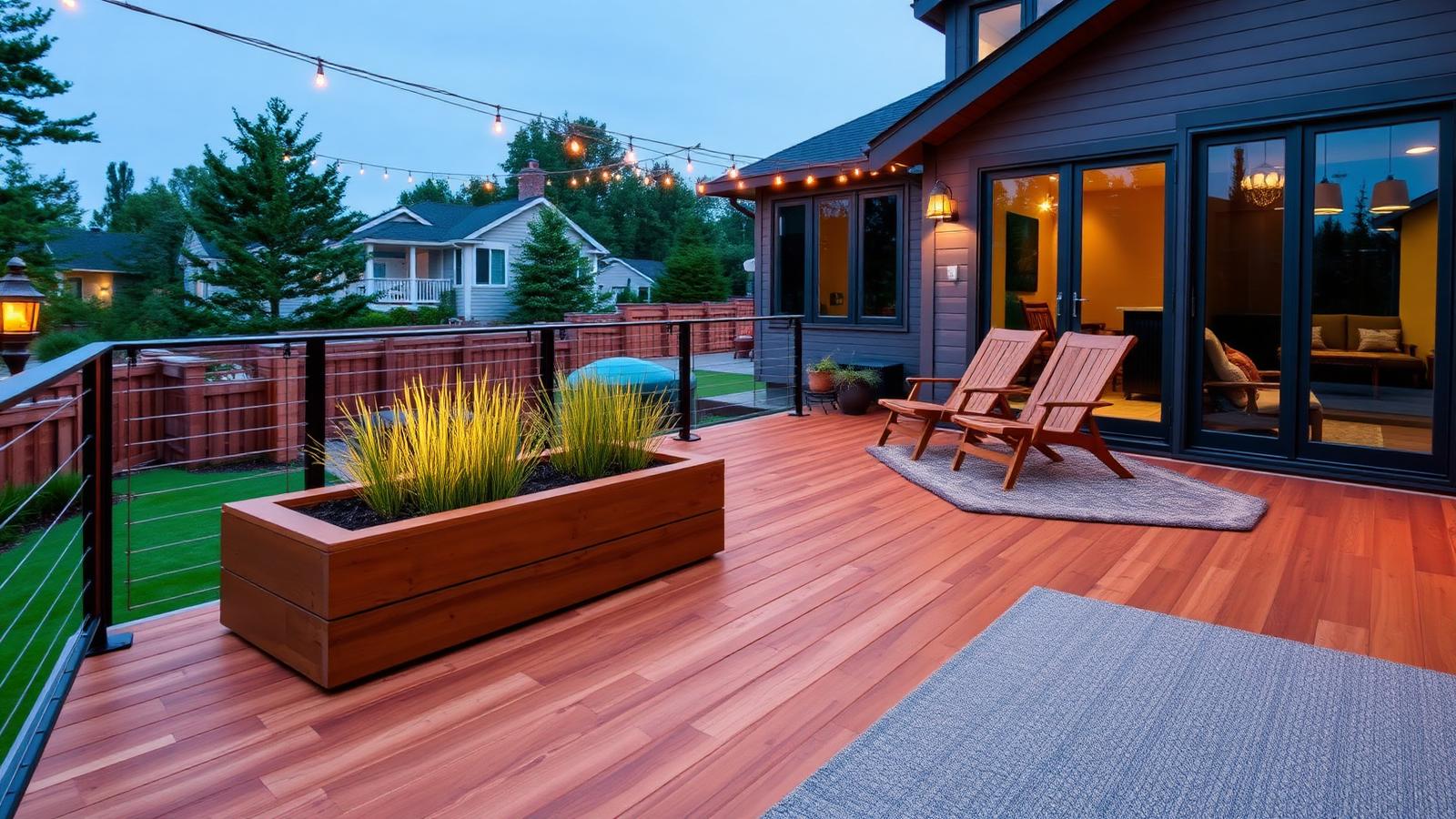
Deck Ideas
Best for: Raised decks attached to the house
Wood vs composite, sizing, railings, and the design moves that make a 200 sq ft deck feel like a room — with real 2026 cost ranges.
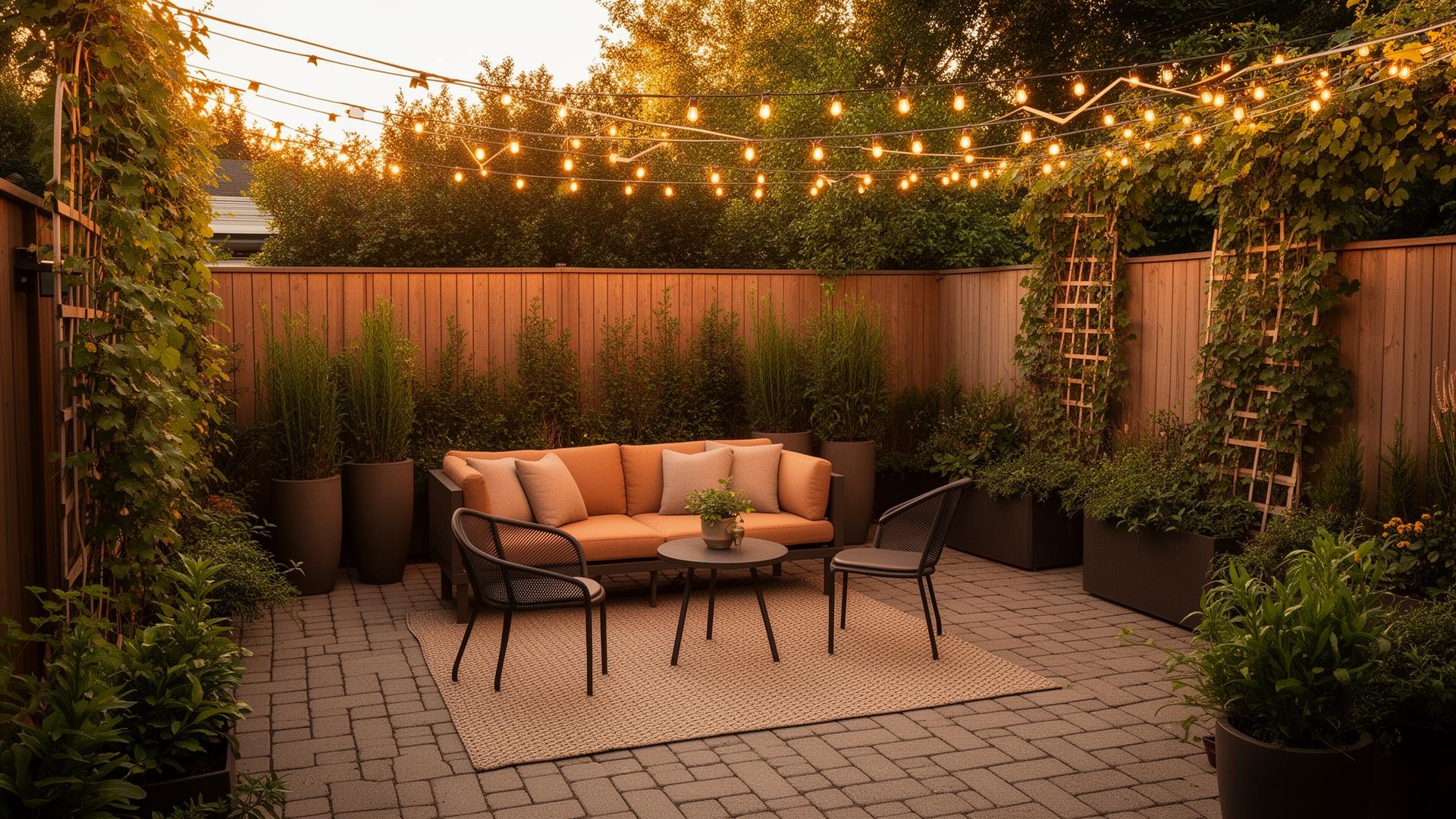
Patio Ideas
Best for: Ground-level outdoor rooms
24 designs for outdoor rooms that get used — pavers, concrete, layout, fire features, and shade that actually works.
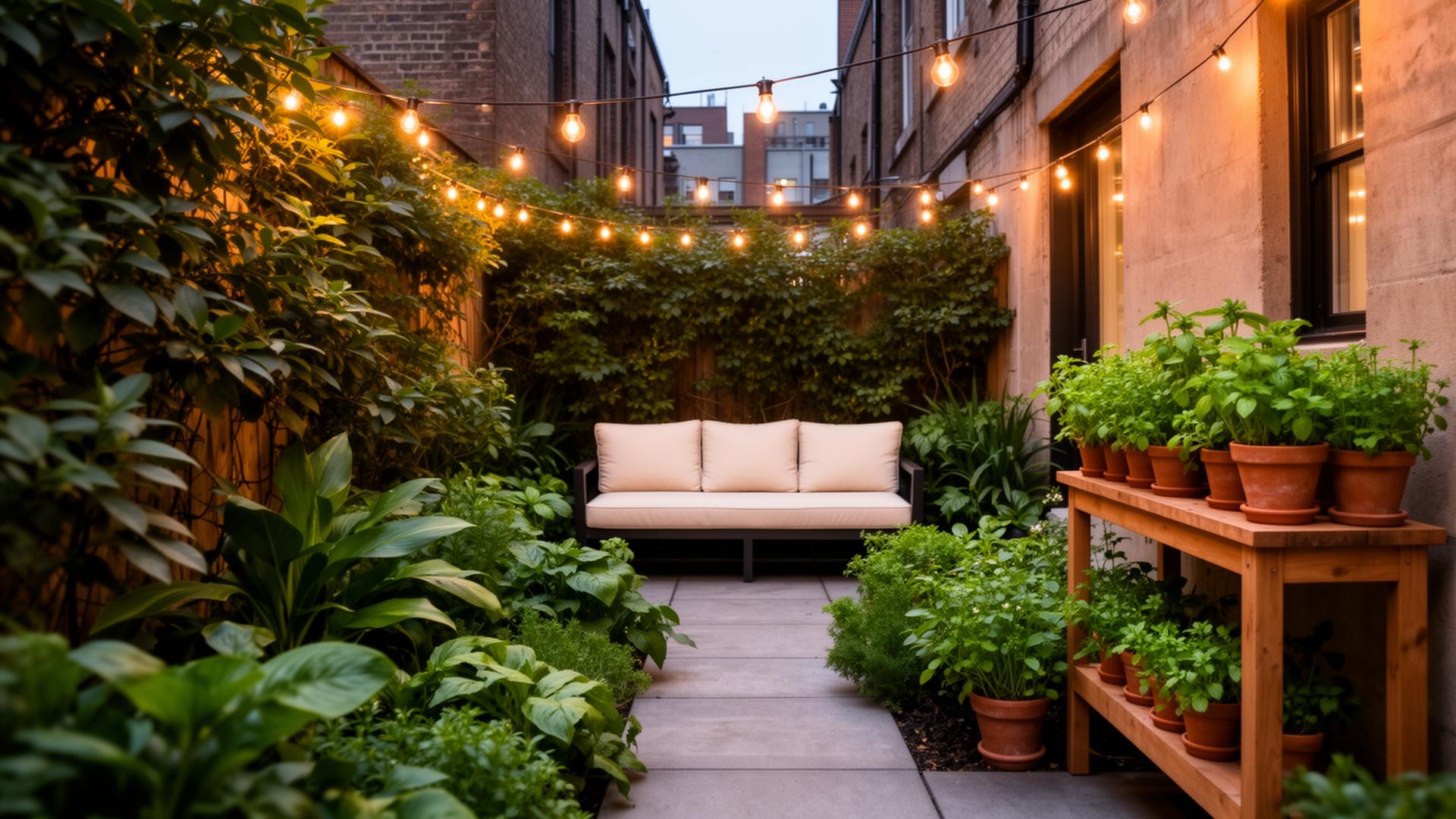
Small Backyard Ideas
Best for: Tight urban and suburban yards
Layouts and design moves for backyards under 500 sq ft — zones, planting, screening, and the seating that makes them feel double the size.
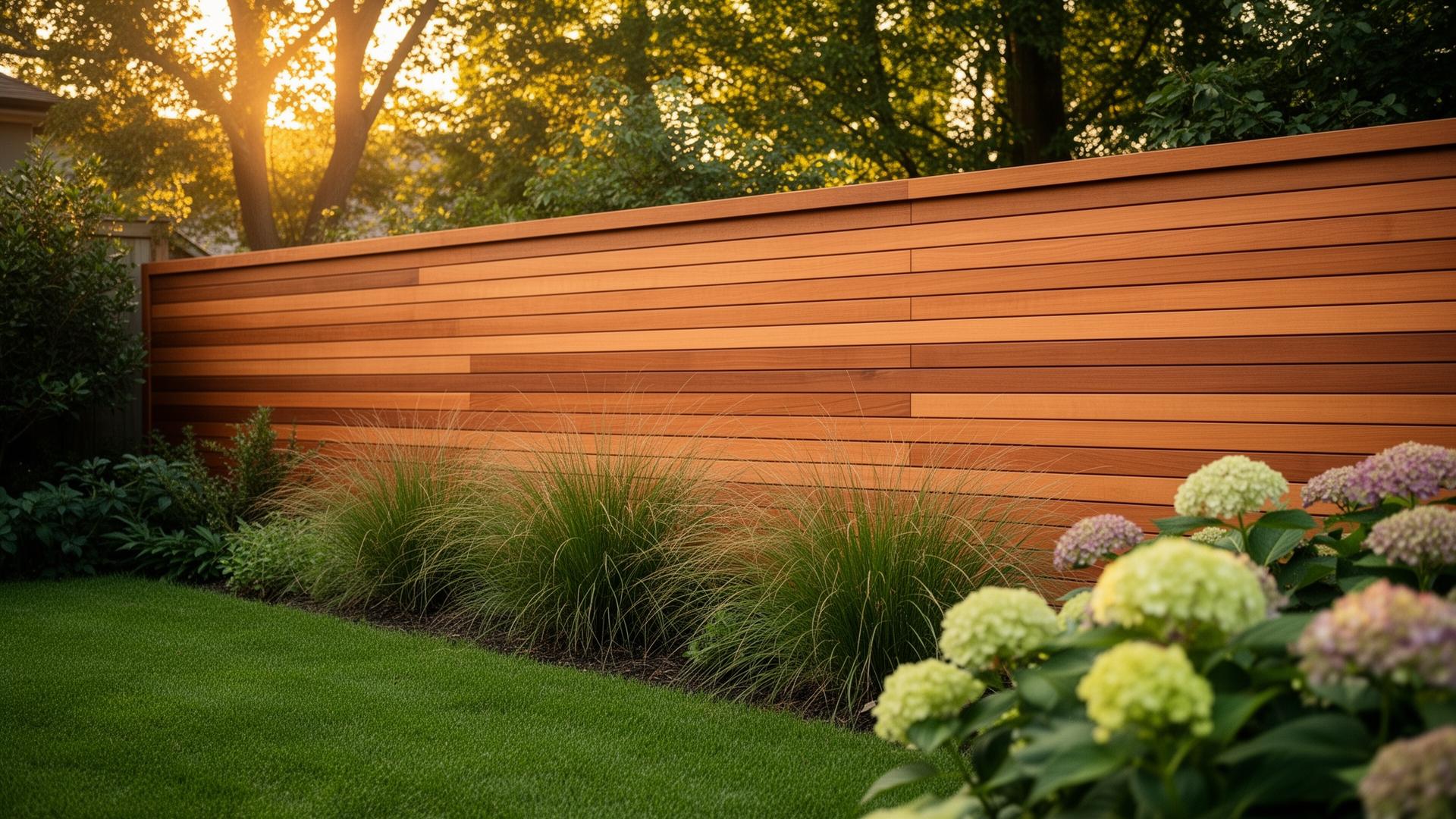
Fence Ideas
Best for: Privacy and property edges
Privacy, style, and budget — horizontal vs vertical, materials, heights, and the fence designs that improve a yard instead of boxing it in.
Coming Soon
- Outdoor Kitchen Ideas — Built-in vs modular, the four station essentials, and what to skip
- Pergola & Shade Structures — Freestanding vs attached, materials, and the right size for actual use
- Outdoor Lighting Guide — Layered lighting, string lights, path lights, and the 12V system worth installing
Keep Reading
- Home Remodel Guide — every major project compared by cost and ROI
- Small Space Solutions — the indoor companion to small-yard thinking
- Interior Design Styles — match the outdoor room to the home's interior
Planning the Budget Next?
Design decisions get easier once you know the numbers. These cost guides use 2026 pricing from real quotes.
- Remodel Cost GuidesROI rankings and real pricing for every major project.
- Home Services CostsPanel upgrades, EV chargers, rewires, and rebates.
- Tub-to-Shower Conversion CostThe most-requested bathroom cost breakdown on the site.
Already holding a contractor quote? Bathroom Remodel Estimate Review — $49, back in 48 hours.
Frequently Asked Questions
Deck or patio — which should I build?
A patio (poured concrete, pavers, or stone on grade) is cheaper, lower-maintenance, and works for any house with a flat yard — $8–$25 per sq ft installed. A deck (raised wood or composite structure) is the answer when the ground slopes, when you want to connect to a second-story door, or when you want the warmer underfoot feel of wood — $30–$60 per sq ft installed. The other rule: patios extend the house's footprint visually; decks extend its living space upward.
What's the most important outdoor living decision?
Where you put the seating, not what you put on it. The single biggest difference between an outdoor space that gets used daily and one that becomes a tool-storage zone is whether the primary seating faces something — a fire feature, a view, a focal plant, or even a fence. Floating chairs in the middle of a yard feel exposed; anchored seating against a wall or rail with something to look at gets used.
How much does it cost to build an outdoor room?
A budget outdoor room — gravel patio, freestanding fire pit, two Adirondack chairs, string lights — lands at $1,500–$3,000 DIY. A mid-range outdoor room — paver patio, sectional, propane fire table, pergola — runs $8,000–$15,000. A full outdoor living room with an integrated deck or patio, built-in seating, outdoor kitchen, and shade structure runs $25,000–$60,000+. The cheap option, executed well, often outperforms the expensive one — outdoor furniture and decor are 90% of the perceived value.
Do outdoor projects add resale value?
Decks return roughly 50–65% at resale in 2026 — wood about 65%, composite about 55%. Patios return 50–55%. Outdoor kitchens return 30–50% — they're lifestyle purchases. Fences add value in privacy-sensitive markets (urban, dense suburban) and add nothing in rural areas. The outdoor element that consistently returns 80%+ is professional landscaping and lighting on the front yard — curb appeal pays back better than any backyard build.
What's the cheapest way to make a yard feel like a room?
Five elements, under $1,500 total: (1) Define the floor — a gravel rectangle, an outdoor rug, or pavers under the seating area. (2) Anchor with a focal point — a fire bowl, a planter cluster, a small fountain, or a single sculptural plant. (3) Add overhead — string lights on poles or pergola, even a single triangular shade sail. (4) Block one sightline — a tall planter, a privacy panel, or a row of grasses creates the feeling of a wall. (5) Seating that faces in, not out — chairs arranged around the focal point, not facing the lawn.
What outdoor materials age well?
Cedar and ipe deck boards age to a silvery patina; composite (Trex, TimberTech) holds color but plasticky look-up close. Concrete pavers in warm gray, sandstone, and travertine all age well. Powder-coated aluminum furniture lasts 15+ years outdoors; teak ages beautifully but needs annual oil. Cushions: solution-dyed acrylic (Sunbrella) in neutrals — cream, sand, charcoal — outlasts patterned or saturated fabric by years. Skip wicker that isn't all-weather resin, painted wood furniture, and any fabric not rated for full-sun UV.