
Home Services: The 2026 Cost Guide
The services most homeowners only buy once a decade — panel upgrades, whole-house rewires, and EV charger installation — are also the ones with the widest pricing spread and the most opaque quoting. This hub is real 2026 pricing, the line items every quote should contain, and the rebate and tax-credit stack that brings the out-of-pocket cost down.
Updated May 2026 · 9 min read
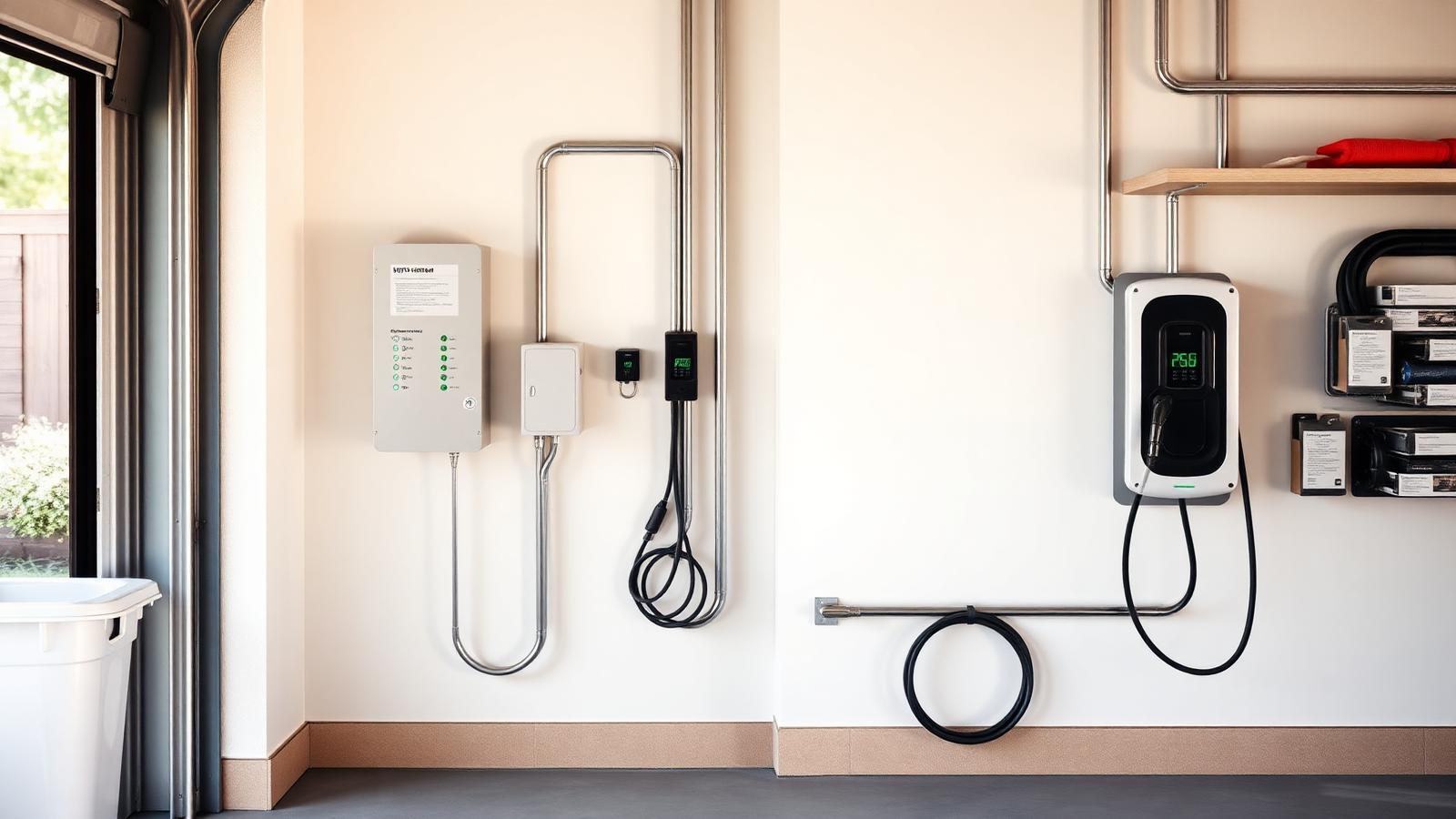
The three highest-ROI service jobs in 2026 — panel upgrade, EV circuit, surge protector — almost always cost less when bundled on the same visit.
Three Rules Every Service Quote Should Follow
- Permit pulled by the contractor. If they suggest skipping it to save you money, walk away — it voids your homeowner's insurance and blocks your home sale.
- Line-item quote, not lump-sum. A real electrician's quote separates labor hours, materials, permit fees, and utility coordination. A single all-in number hides where the margin is.
- License and insurance proof in writing. License number on the quote, $1M+ general liability, and workers' comp. Verify the license number against your state's public lookup database before signing.
Complete Service Cost Guides
Each guide below is a full pricing breakdown — line items, permits, hidden costs, and the rebate stack for that service.
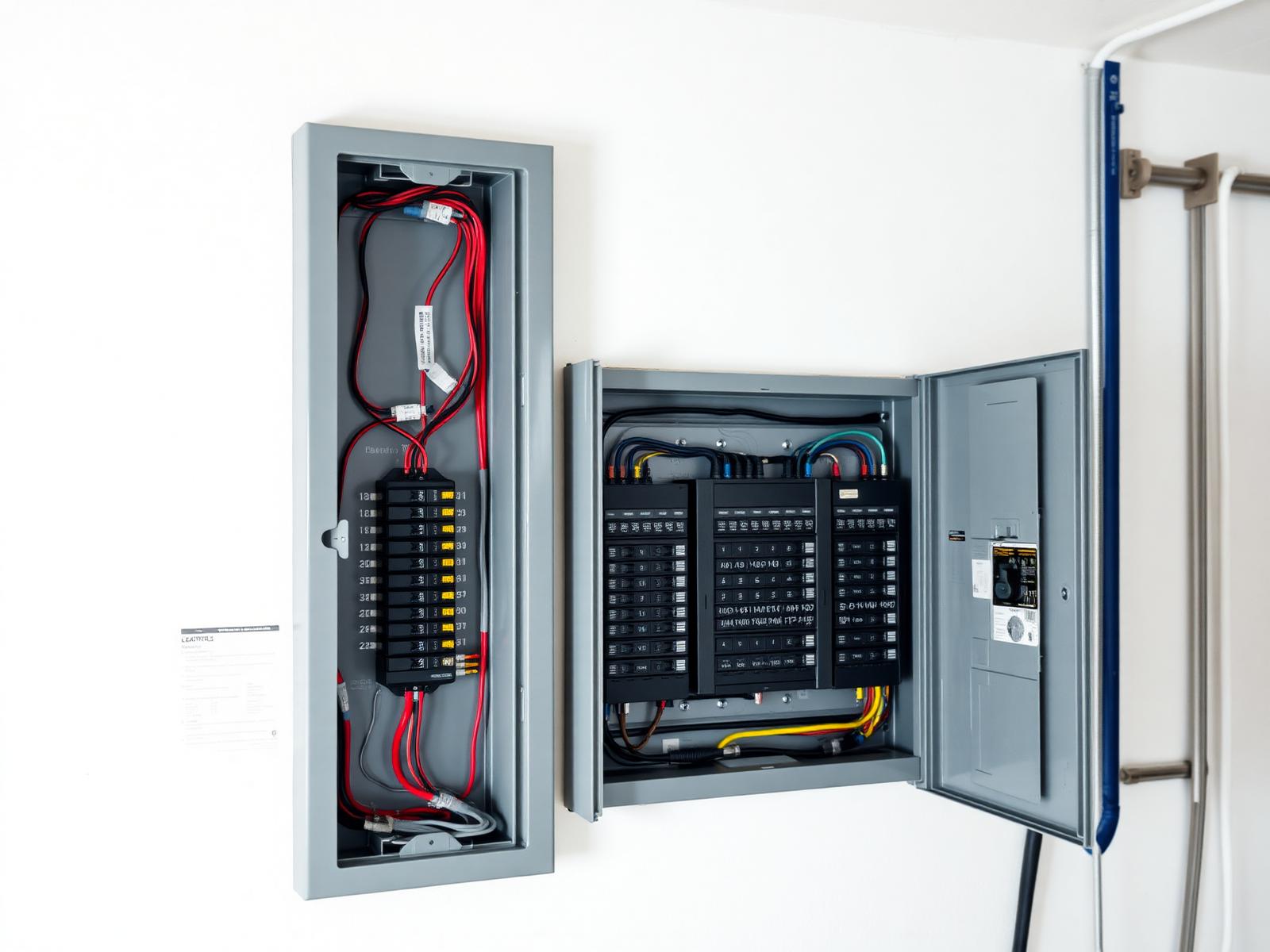
Electrical Panel Upgrade
100A vs 200A vs 400A pricing, the line items every quote should contain, hidden costs, and the IRA rebate stack that cuts the bill by up to $4,000.
- Best for
- Pre-1980 homes, anyone adding EV, heat pump, or induction
- Typical cost
- $1,800–$4,500
- Permits
- Required in every U.S. jurisdiction
Read the full guide →
200 Amp Panel Upgrade
The most common residential upgrade in 2026 — what's included, when the utility upcharges, and the negotiation playbook for getting an honest quote.
- Best for
- Most single-family homes built before 2000
- Typical cost
- $1,800–$4,500
- Permits
- Required; utility coordination needed
Read the full guide →
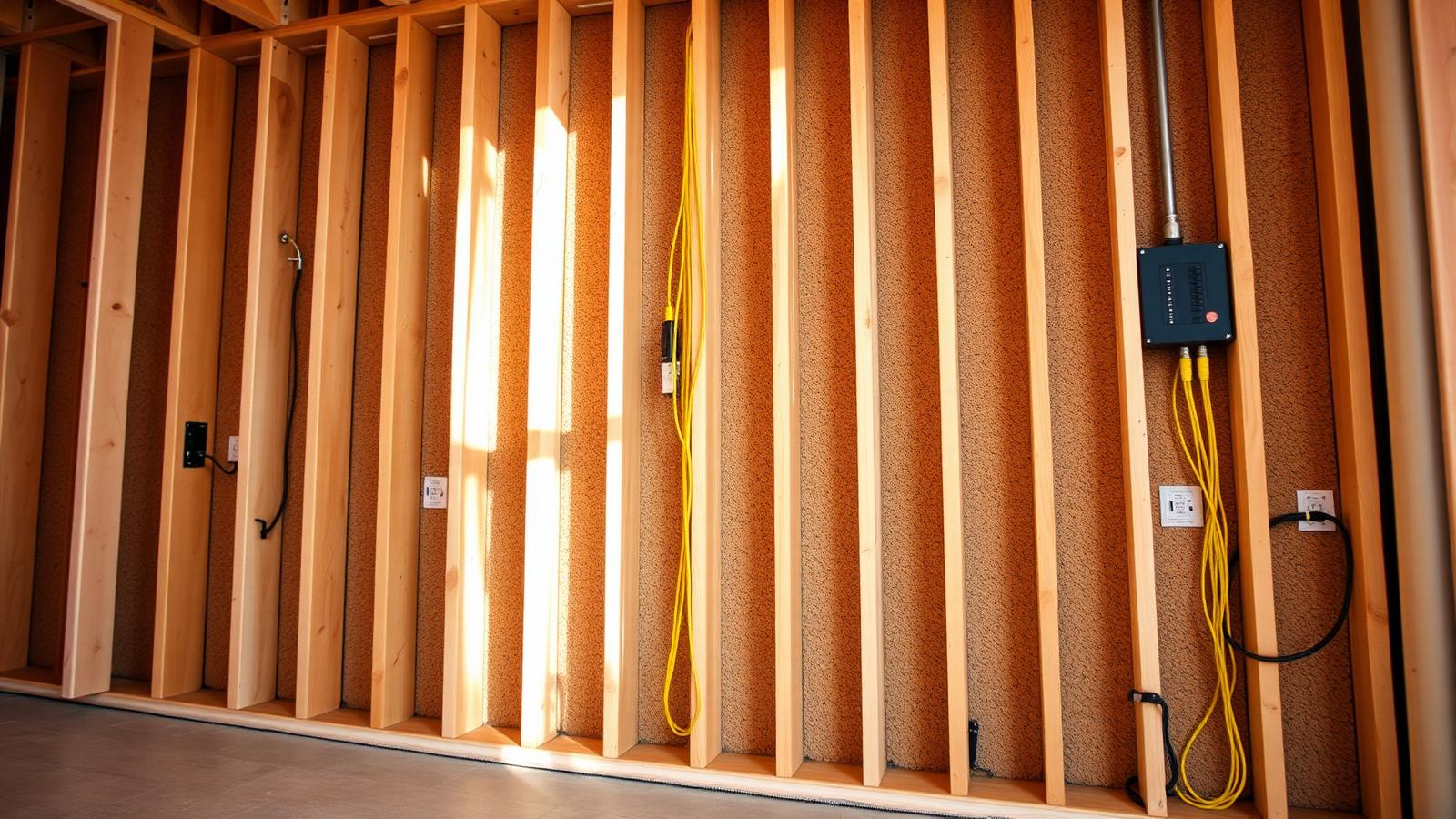
Whole-House Rewire
What it actually costs to rewire 1,500 / 2,500 / 4,000 sq ft, the knob-and-tube and aluminum-wiring premiums, drywall repair budget, and how to live in the house during the work.
- Best for
- Pre-1960 homes, knob-and-tube, aluminum branch wiring
- Typical cost
- $8,000–$30,000+
- Permits
- Required; inspections at rough and final
Read the full guide →
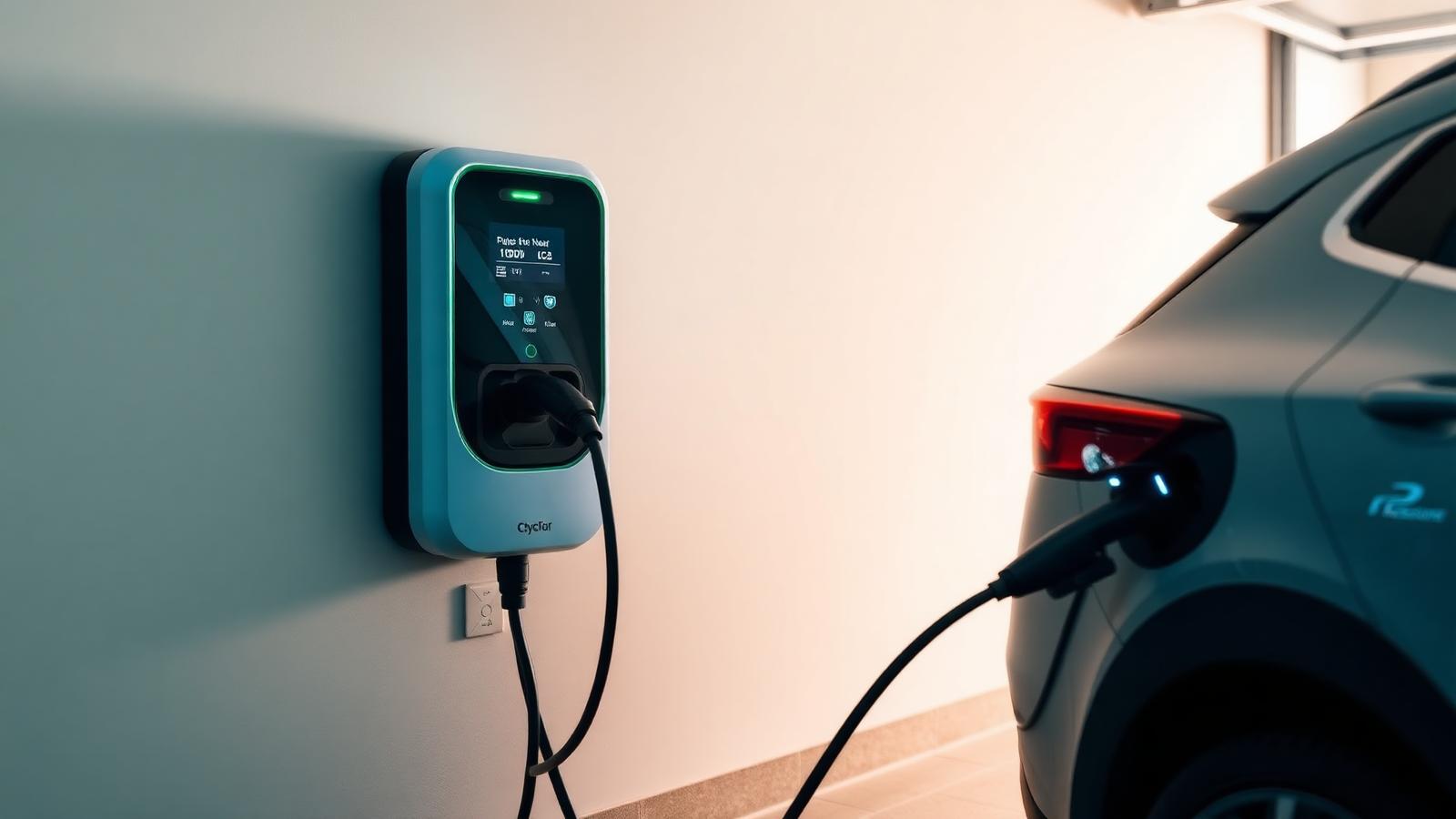
EV Charger Installation
Level 1 vs Level 2 vs hardwired pricing, the panel-capacity check that decides whether you need a $600 install or a $3,000 one, and the $1,000 IRS 25C tax credit.
- Best for
- EV owners, plug-in hybrids, EV-ready home prep
- Typical cost
- $600–$3,500
- Permits
- Required for hardwired Level 2
Read the full guide →
The Rebate & Tax Credit Stack (2026)
Three federal programs stack on top of each other for most electrification work. State and utility rebates often add a fourth layer:
- 25C Energy Efficient Home Improvement Credit. Up to $600 for a panel upgrade paired with qualifying electrification equipment, plus $1,000 for an EV charger. Claimed on IRS Form 5695.
- HEEHRA point-of-sale rebates. Up to $4,000 for a panel upgrade that enables electrification (heat pump, EV charger, induction range). 100% coverage for low-income households, 50% for moderate-income.
- 30D / 30C federal EV credits. $1,000 federal credit for residential EV charger installation through 2032 (covers labor + equipment, capped at 30% of cost).
- State + utility programs. Look up your ZIP code in the DSIRE database (dsireusa.org) — most utilities offer $200–$1,500 in additional rebates for panel upgrades and EV charger installation.
What to Bundle on the Same Visit
Trip charges, permit fees, and the time an electrician spends opening walls or coordinating with the utility are the same whether they do one job or three. The bundles that consistently save real money:
- Panel upgrade + EV charger circuit. Saves $300–$600 vs separate visits and the EV circuit is sized correctly the first time.
- Panel upgrade + whole-house surge protector. Adds $150–$300 to the panel job and replaces $1,500–$3,000 of appliances after the next nearby lightning strike.
- Rewire + recessed lighting + smart switches. Walls are already open — every other low-voltage and lighting run becomes 1/3 the price.
How to Vet a Contractor in 10 Minutes
- License lookup. Search "[your state] electrician license lookup" and verify the license number on the quote.
- Insurance proof. Ask for a certificate of insurance (COI) showing $1M+ general liability and active workers' comp. A legitimate contractor emails one within an hour.
- Three recent references. Ask for three jobs completed in the last six months in your ZIP code. Call two.
- Permit answer. Ask "who pulls the permit?" — the correct answer is always "we do." Anything else is a hard no.
More Service Guides Coming
- Generator Installation Cost. Whole-house standby vs portable, propane vs natural gas, and the transfer-switch decision
- Surge Protector Installation Cost. Whole-house Type 2 SPDs — when they pay for themselves in one storm
- Smart Home Wiring Cost. Structured wiring, low-voltage runs, and what to pre-wire during a remodel
Frequently Asked Questions
What home services give the best return for the money?
For pure resale ROI, the highest-return service work in 2026 is a 200-amp panel upgrade (adds $1,500–$3,000 to appraisal for $1,800–$4,500 spent), followed by EV charger pre-wiring (roughly 80% of buyers now consider it a baseline expectation in metro markets) and whole-house rewires on homes with knob-and-tube or aluminum branch wiring (removes the single biggest insurance and inspection flag a buyer can find). Cosmetic-only service work — moving outlets, recessed lighting retrofits — rarely returns its cost at sale.
Are electrician quotes negotiable?
Yes, but not the way kitchen-remodel quotes are. Licensed electricians work on tight margins relative to general contractors, and the line items most homeowners want to negotiate (labor hours, permit pull) are the ones that protect them legally. What's negotiable: fixture pass-through cost (supply your own quality Leviton/Lutron and the markup goes away), bundled scope (combining a panel upgrade with EV-charger installation on the same trip typically cuts $300–$600 vs separate visits), and timing (off-season work from January to March often comes in 10–15% lower).
How do I check that an electrician is actually licensed?
Every U.S. state maintains a public license lookup database — search '[your state] electrician license lookup' and verify the contractor's license number is active and matches the name on the quote. Also confirm they carry general liability insurance (minimum $1M) and workers' comp, and ask for proof. The single biggest red flag: an electrician who offers to skip the permit to save you money. That voids your homeowner's insurance, blocks your home sale at the inspection, and means there's no third-party check on whether the work is safe.
Do these rebates and tax credits still apply in 2026?
Yes. The 25C Energy Efficient Home Improvement Credit (up to $600 for panel upgrades paired with qualifying electrification equipment, plus $1,000 for chargers) and the HEEHRA point-of-sale rebates (up to $4,000 for panel upgrades enabling electrification, with full coverage for low-income households) are both active in 2026. State and utility rebates often stack on top — the DSIRE database (dsireusa.org) is the authoritative source for your ZIP code.
Should I bundle services on the same visit?
Almost always yes. Trip charges, permit pulls, and the time an electrician spends opening up walls or shutting off service are the same whether they do one job or three. A common high-value bundle: panel upgrade + EV charger circuit + whole-house surge protector on the same visit typically saves $400–$900 vs three separate trips. The exception is rewire work — full whole-house rewires are large enough projects that bundling other scope into them usually delays the rewire schedule without saving real money.