
Home Remodel Guide 2026: Real Costs, ROI & What's Worth It
Most remodel content is either contractor marketing or trade-magazine spec-talk. This is the editorial middle: what projects actually return at resale, what they cost in 2026, how to choose between a branded installer and a local pro, and the order to tackle a whole-home renovation without redoing finishes a year later.
Updated May 2026 · 11 min read
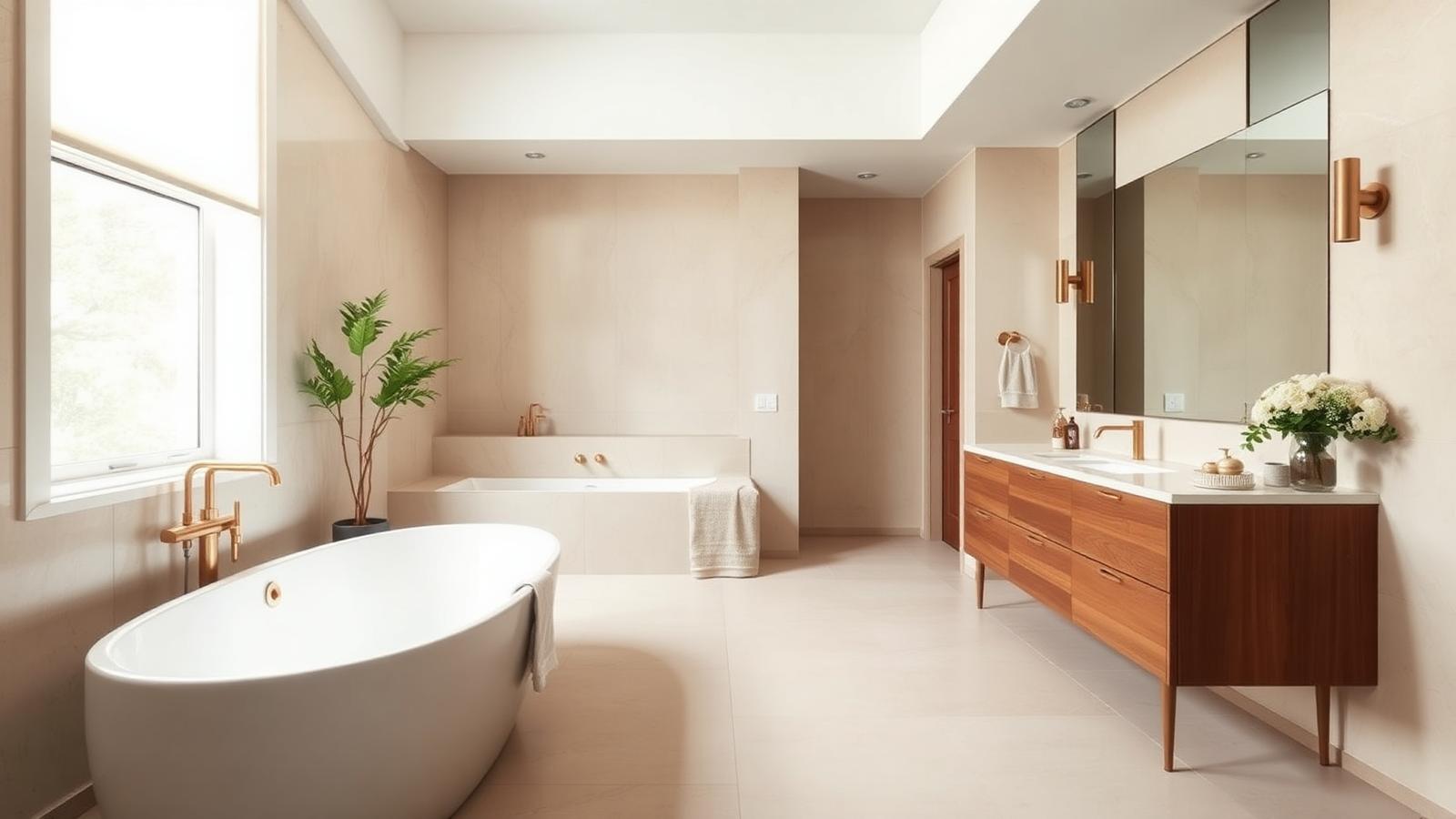
The remodels that hold value share three traits: durable infrastructure, classic tile and stone, and finishes that can be refreshed without a full tear-out.
The Three Rules of a Remodel That Holds Value
- Infrastructure before finishes. Panel, plumbing, HVAC, roof, and envelope first. Tile and paint are the easy part.
- Classic over trendy on permanent surfaces. Tile, stone, and cabinet boxes stay 20+ years — paint, hardware, and fixtures are easy to swap.
- Budget a real contingency. 15% on cosmetic, 20% on bath/kitchen, 25–30% on additions. The surprise behind the wall is not an "if."
How to Use This Guide
Start with the project driving you crazy or holding back your resale price. Each guide below is a complete cost breakdown, decision tree, and shopping plan. Tackle bathrooms before kitchens (cheaper, faster, better learning project), and never start a kitchen before the panel can handle induction and a future EV charger.
Remodel Guides
Each guide below is a complete walkthrough — cost breakdown, decision tree, and the questions to ask before signing a contract.
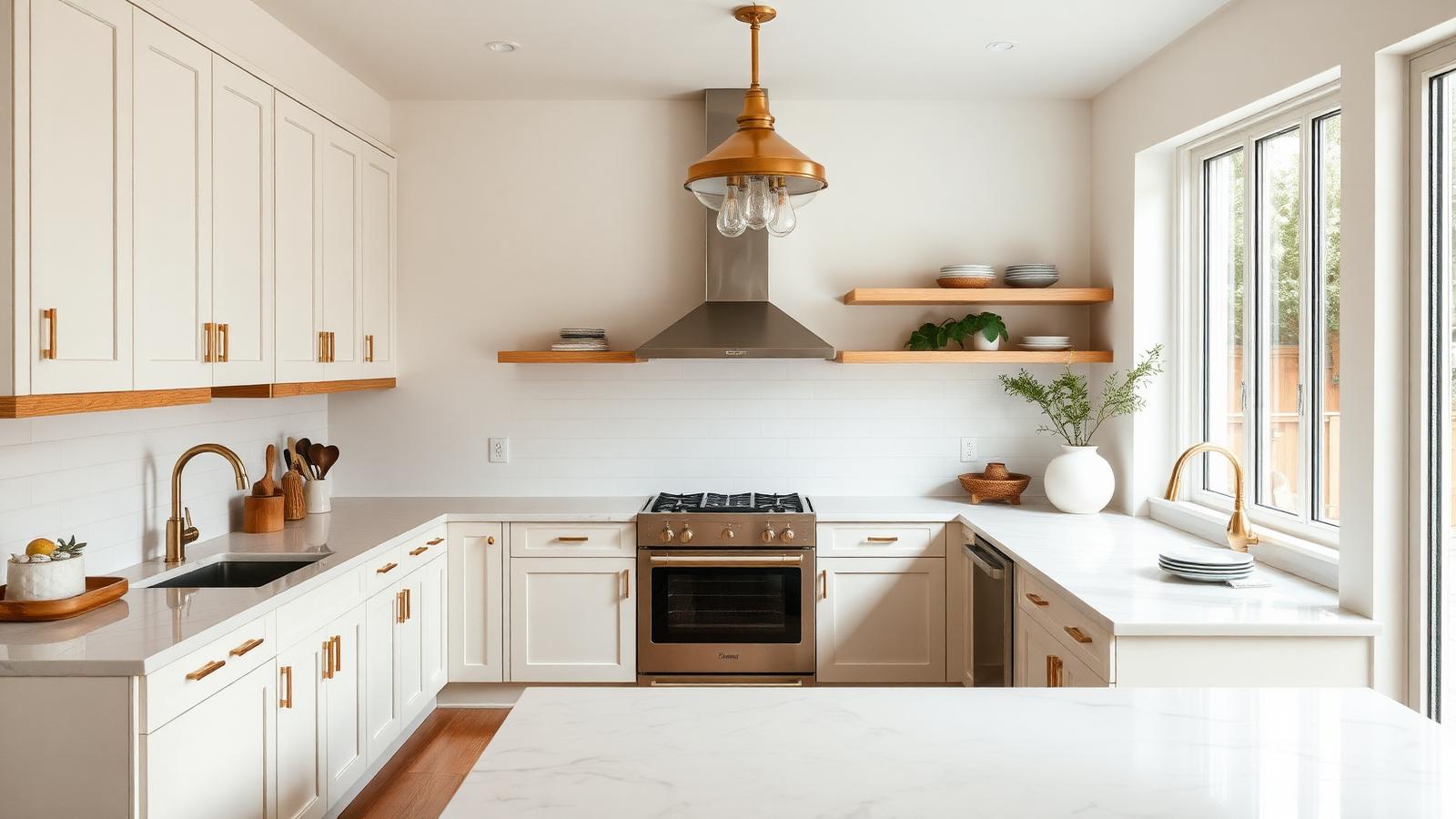
Kitchen Renovation
Three complete budget plans ($15K, $40K, $90K), the layouts that work in a small footprint, and what actually pays back at resale.
- Best for
- Full kitchen remodels and refreshes
- Budget
- $15,000–$90,000+
Read the full guide →
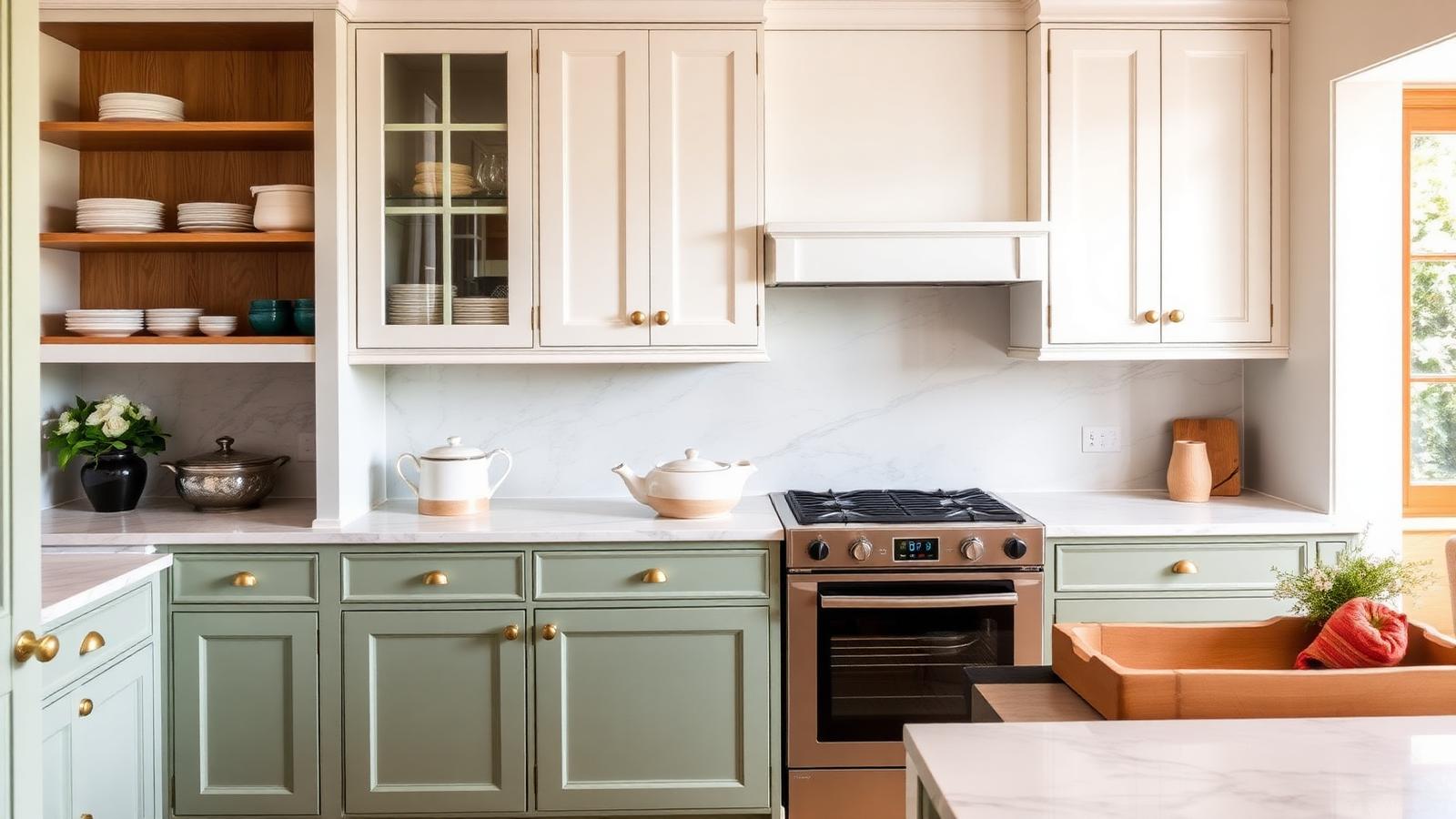
Kitchen Cabinet Ideas
Door styles, colors, the four cabinet cost tiers, and the build details worth paying the upcharge for.
- Best for
- Choosing cabinets without regret
- Budget
- $4,000–$60,000+
Read the full guide →
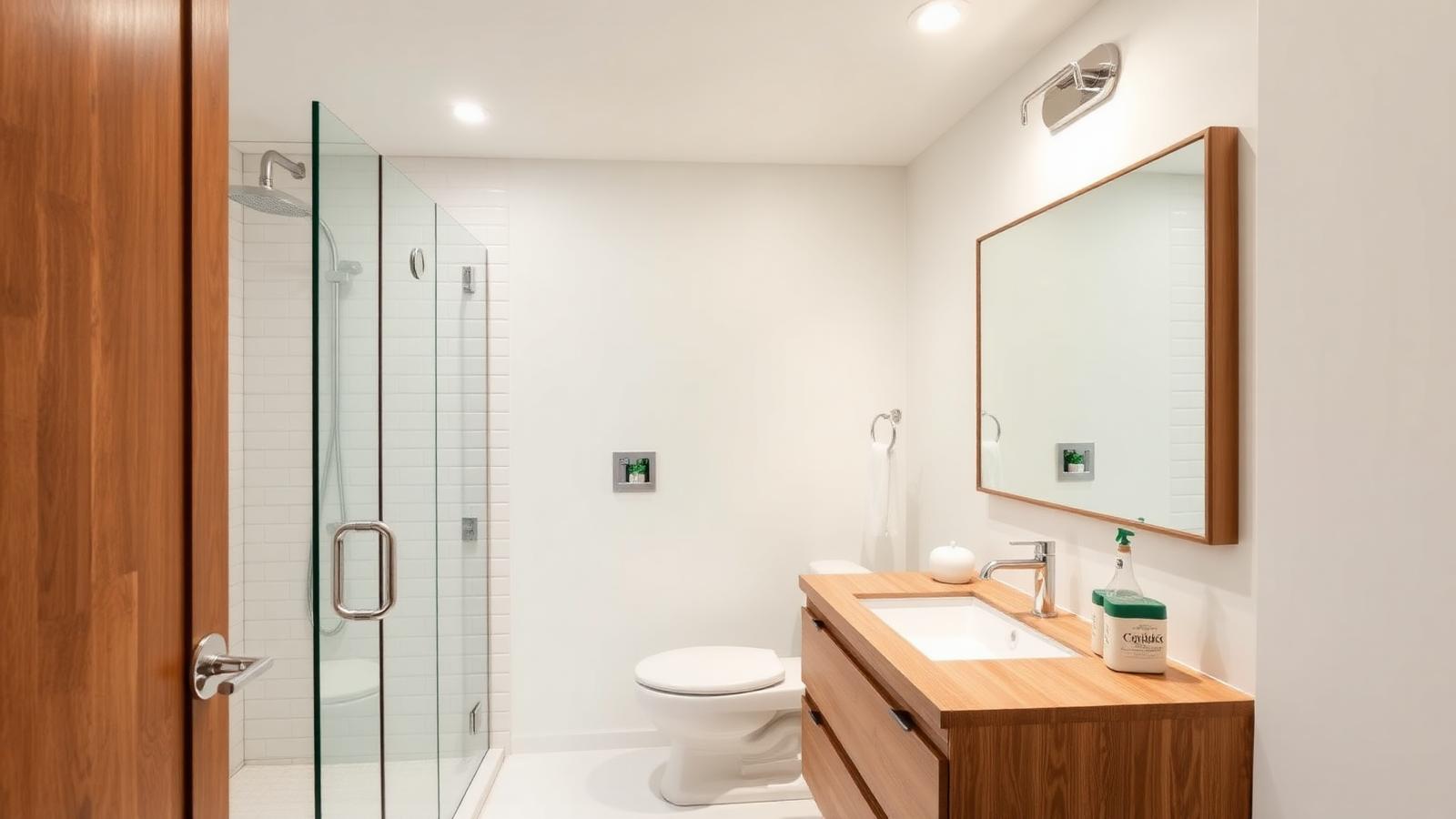
Small Bathroom Remodel
Layouts, fixtures, tile, and the five decisions that drive cost for bathrooms under 40 sq ft — with $3K, $8K, and $15K budget plans.
- Best for
- Powder rooms, guest baths, and apartments
- Budget
- $3,000–$15,000
Read the full guide →
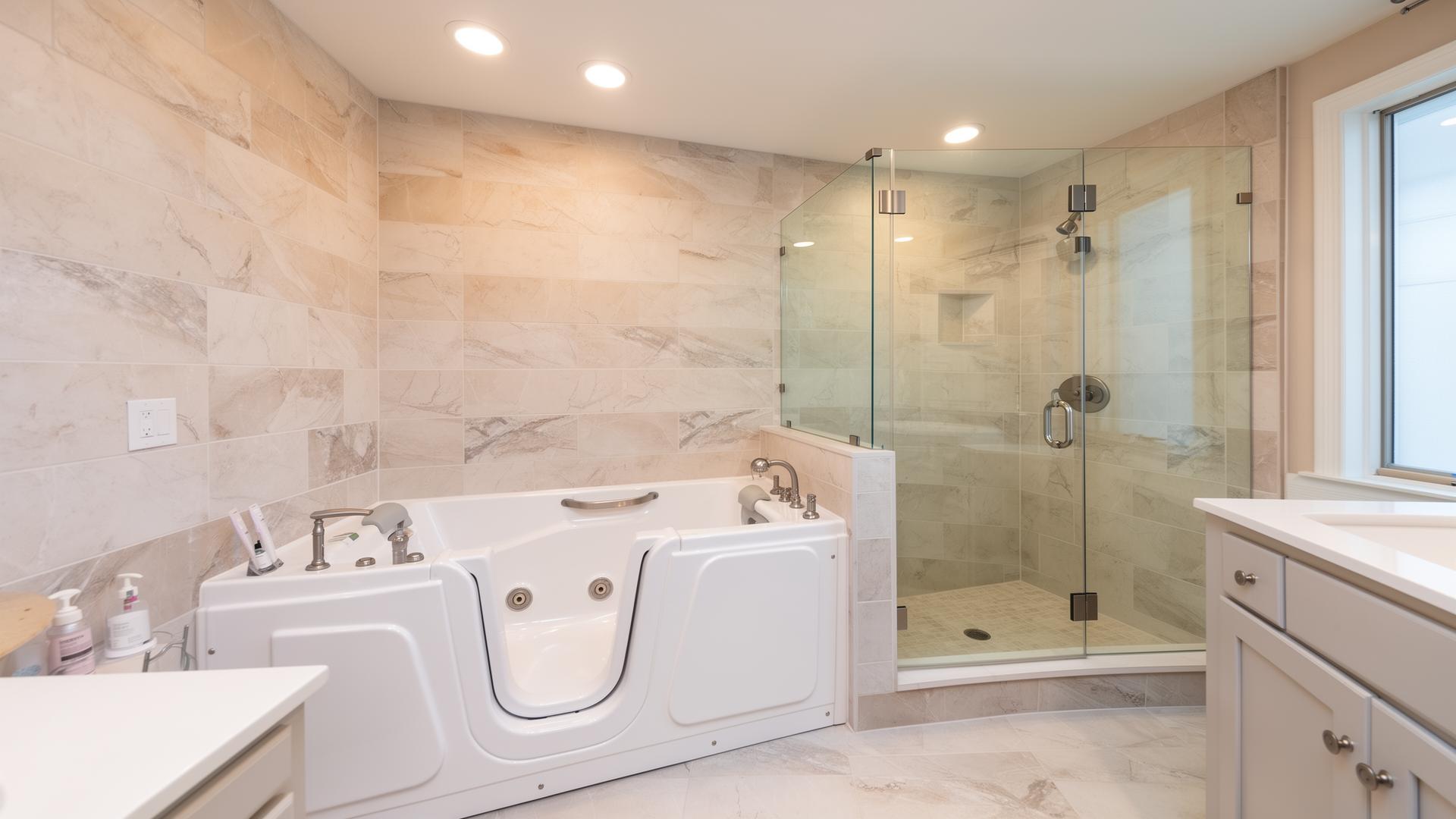
Jacuzzi Bath Remodel Cost
What homeowners actually pay in 2026 — $4,000–$15,000+ by project type, what's included, financing, and competitor comparison.
- Best for
- One-day branded bath installs
- Budget
- $4,000–$15,000+
Read the full guide →
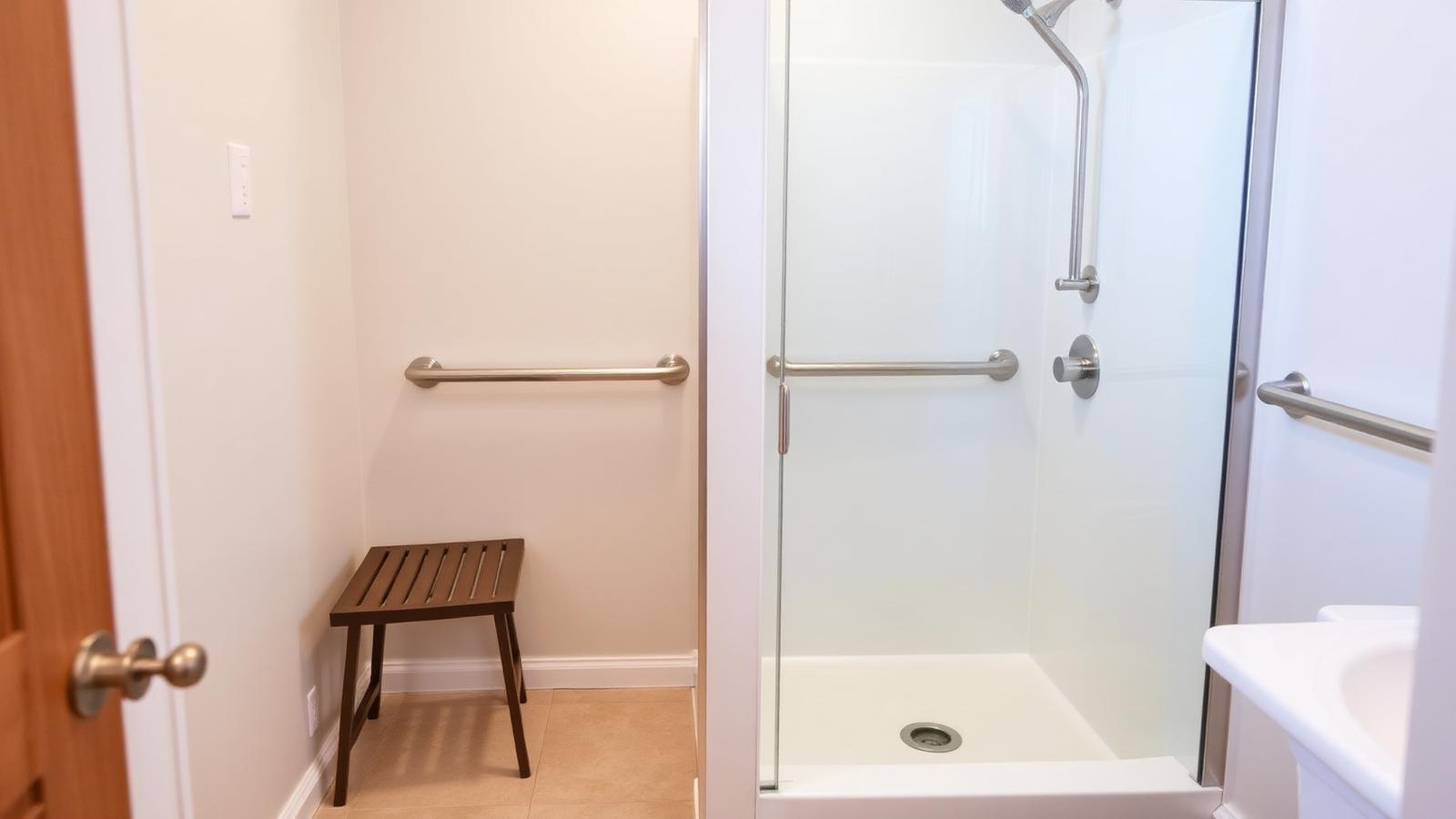
Tub to Shower Conversion Cost
$1,200–$12,000 by scope — prefab kit vs tile vs curbless, the drain-relocation trap, permits, and nine ways to cut the bill.
- Best for
- Aging in place and unused guest tubs
- Budget
- $1,200–$12,000
Read the full guide →
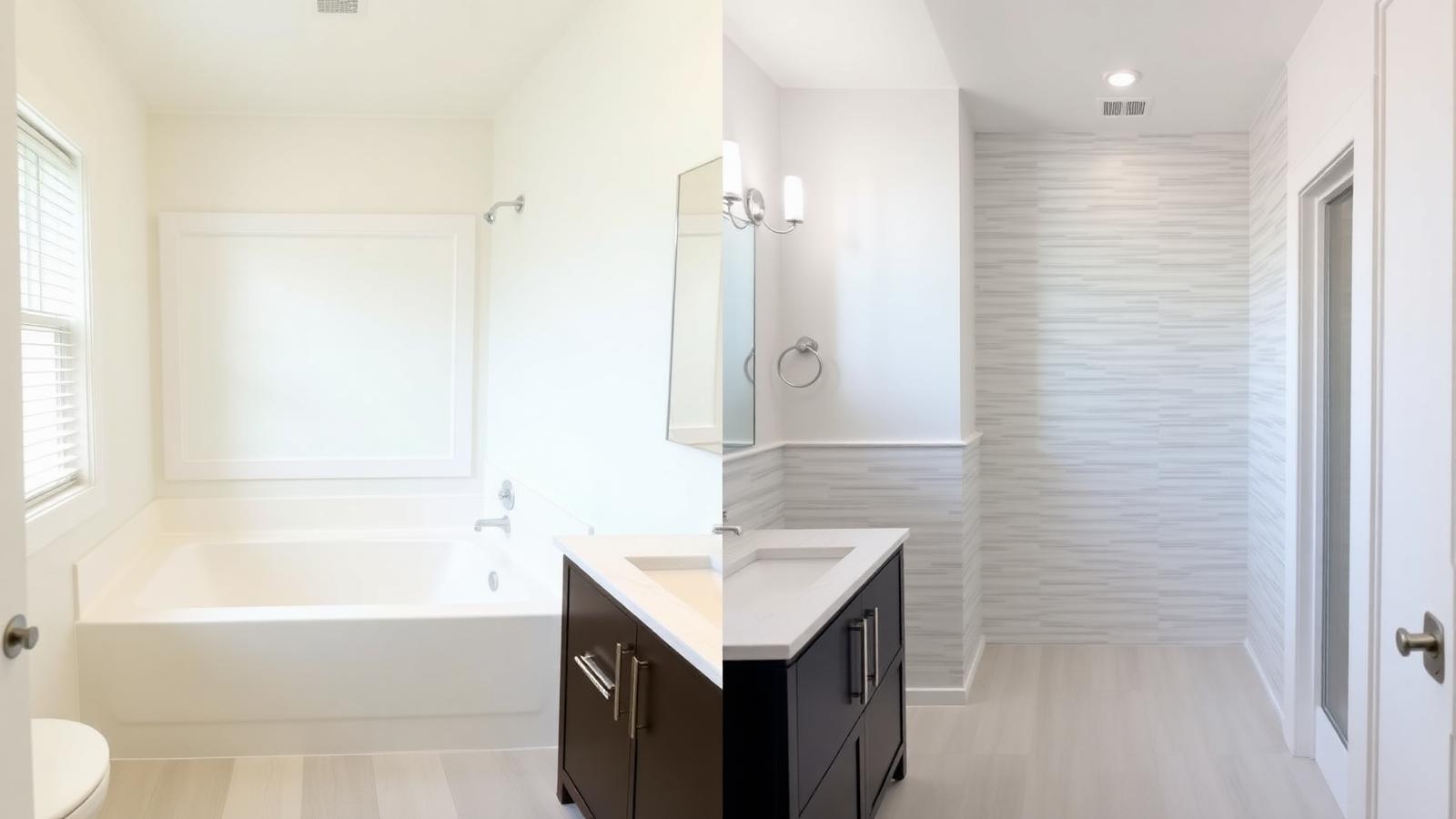
Jacuzzi vs Bath Fitter
Side-by-side comparison of pricing, install time, warranty, walk-in tubs, and customization — with the verdict by use case.
- Best for
- Choosing between branded installers
- Budget
- $4,000–$12,000
Read the full guide →
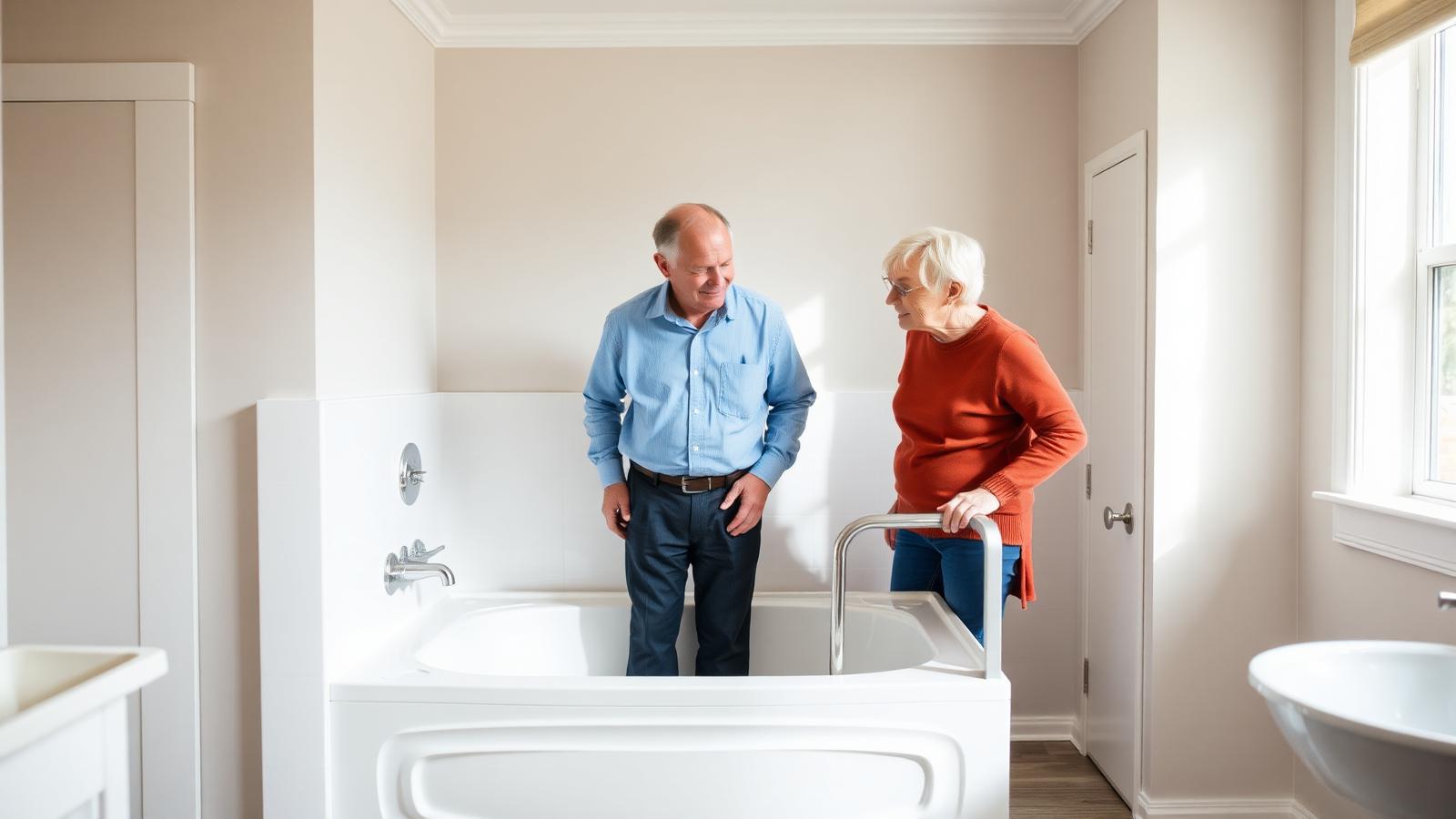
Is a Jacuzzi Bath Remodel Worth It?
ROI, resale value, aging-in-place benefits, warranty value, and who should — and shouldn't — buy.
- Best for
- The buy/skip decision
- Budget
- $4,000–$15,000+
Read the full guide →
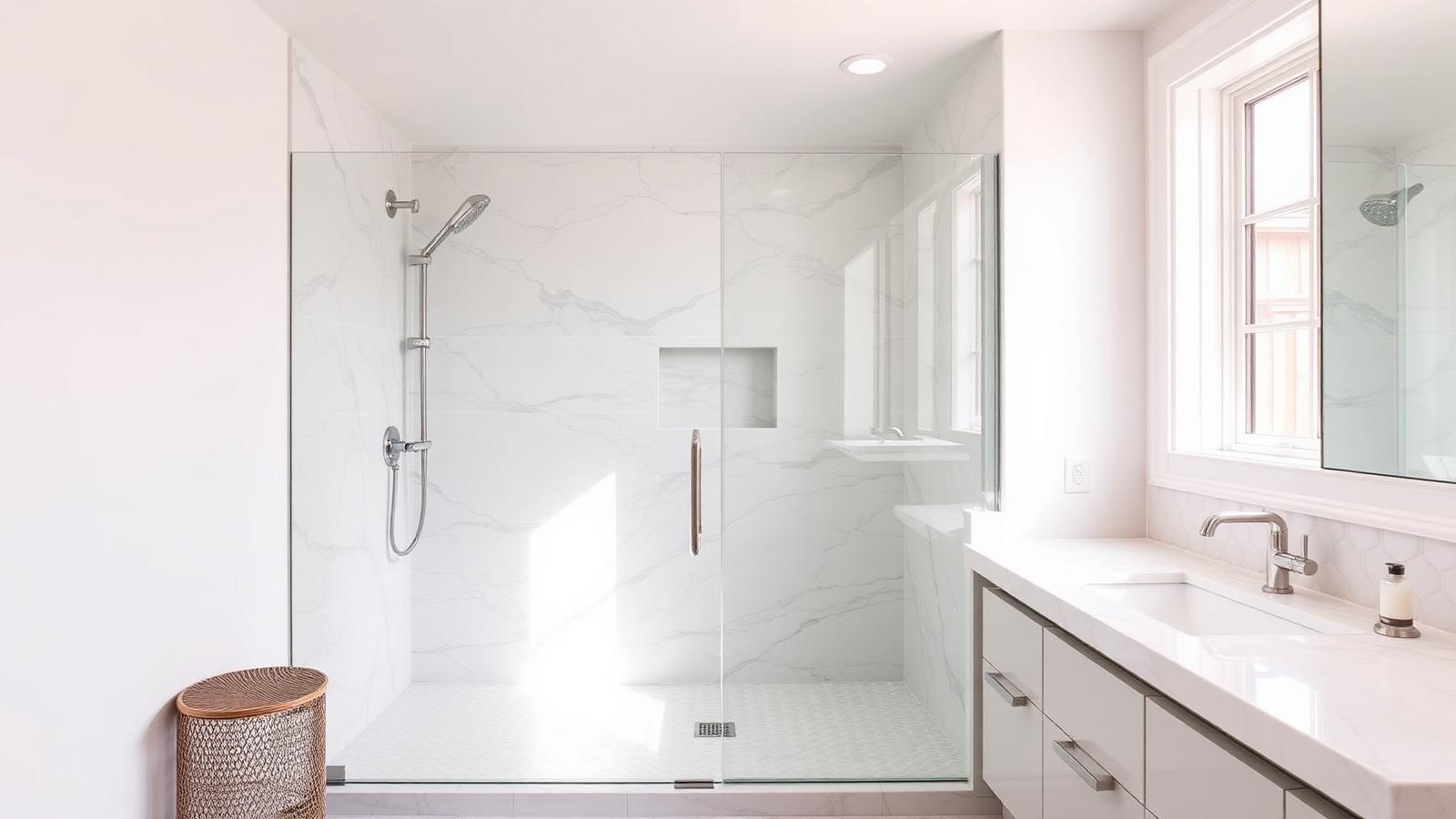
Walk-In Shower Ideas
24 designs — curbless, doorless, frameless glass, tile that ages well — plus the five spec mistakes that cost the most to fix.
- Best for
- Custom tiled showers
- Budget
- $3,500–$20,000+
Read the full guide →
Jacuzzi Bath Remodel Reviews
What 4,000+ real customer reviews say across BBB, Trustpilot, Google — top 5 complaints, top 5 positives, and the negotiation playbook.
- Best for
- Reading reviews before buying
- Budget
- $4,000–$15,000+
Read the full guide →
Resale ROI by Project (2026)
From the latest Cost vs. Value data, these are the projects worth doing if resale is part of the calculus:
- Garage door replacement — 190%+ ROI. The single highest-return remodel.
- Steel entry door — 188% ROI. A $2,500 swap that reads as a $5,000 upgrade at sale.
- Manufactured stone veneer — 153% ROI. Front facade transformation under $11K.
- Minor kitchen remodel — 96% ROI. Cabinet refacing + new countertops + hardware.
- Midrange bathroom remodel — 74% ROI. Replace fixtures, retile, refresh vanity.
- Upscale primary suite addition — 24–35% ROI. Do this one for your own enjoyment, not the resale.
The Order to Remodel a Whole Home
- Roof, panel, plumbing, HVAC. Anything that fails to code or fails altogether takes priority. See our electrical panel upgrade guide.
- Envelope. Windows, doors, insulation, weatherization. Pays back in comfort and energy.
- Kitchen. Highest daily use, highest resale signal.
- Primary bathroom. Second-highest resale signal; pairs well with the kitchen for permitting.
- Secondary bathrooms. Cheaper per square foot once a trade crew is already engaged.
- Bedrooms and living spaces. Paint, floors, lighting, built-ins.
- Outdoor. Patio, fence, landscaping. See our patio ideas guide.
Branded Installer vs Local Contractor
The "one-day bath remodel" category — Jacuzzi Bath Remodel, Bath Fitter, Re-Bath — is built for convenience and warranty, not price. A local contractor doing a comparable acrylic or tile installation is typically 20–40% cheaper. The trade-off is install time (3–7 days vs 1–2), no branded lifetime warranty, and more design decisions for you to make. See our Jacuzzi vs Bath Fitter comparison and the is-it-worth-it analysis.
More Guides Coming
- Shower Remodel Guide. Replace vs reglaze vs branded — cost, time, and ROI compared
- Basement Remodel Ideas. Egress, moisture, ceiling height — and the layouts that actually feel like home
- Primary Bathroom Suite. Layouts, walk-in shower + tub combos, and the upgrades worth the spend
Frequently Asked Questions
What home remodels actually add resale value in 2026?
The 2026 Remodeling Cost vs. Value report shows the highest ROI projects are exterior and entry-level: garage door replacement (190%+ ROI), steel entry door (188%), and manufactured stone veneer (153%). Inside, a minor kitchen remodel returns 96%, and a midrange bathroom remodel returns 74%. Upscale primary suite additions return 24–35% — they're for living in, not for resale.
In what order should I remodel my home?
Tackle invisible infrastructure first: roof, electrical panel, plumbing rough-ins, HVAC. Then envelope: windows, doors, insulation. Then rooms in this order — kitchen, primary bathroom, secondary bathrooms, primary bedroom, living spaces, outdoor. Saving cosmetic work for last means you don't redo finishes when a contractor opens a wall for wiring or plumbing.
Branded installer (Jacuzzi, Bath Fitter, Re-Bath) or local contractor — which is cheaper?
A local contractor doing a comparable bathroom project is usually 20–40% cheaper than a branded installer. You trade convenience and a lifetime warranty for lower cost and more design flexibility. Pick branded for speed (1–2 day installs), warranty coverage, and accessibility/walk-in tub specialization; pick local for tile work, custom layouts, or any budget under $7,000.
How long does a typical remodel take?
Small bathroom: 2–3 weeks. Primary bathroom: 4–6 weeks. Kitchen: 6–10 weeks. Whole-home: 4–9 months including permits and inspections. Add 25–50% buffer for material delays and the surprises every demo uncovers — galvanized plumbing, knob-and-tube wiring, or rot. Branded one-day bath installs are the exception, not the rule.
Should I finance a remodel or pay cash?
Pay cash if the project is under 10% of liquid savings and you have a fully funded emergency fund. Finance with a HELOC (variable rate, typically prime+0–2%) for projects over $20,000 if you have strong equity. Avoid manufacturer 0% deferred-interest plans unless you can pay the balance before the promo expires — retroactive interest is the trap. Personal loans are last resort: 8–18% APR.
How much should I budget for surprises?
Add a 15% contingency on cosmetic-only projects, 20% on bathrooms and kitchens, and 25–30% on additions or anything touching plumbing/electrical behind walls. Common surprises: rotted subfloor, undersized panel, mold, asbestos tile, knob-and-tube wiring, lead solder joints, and undersized waste lines that fail current code.