
Home Organization: The 2026 Room-by-Room Guide
Most home organization advice fails the same way — pretty bins, no system, and three weeks later the drawer is chaos again. This guide is the opposite: the rooms and zones that matter most, the bins that actually last, and the 10-minute weekly resets that keep each space organized past week three.
Updated May 2026 · 10 min read
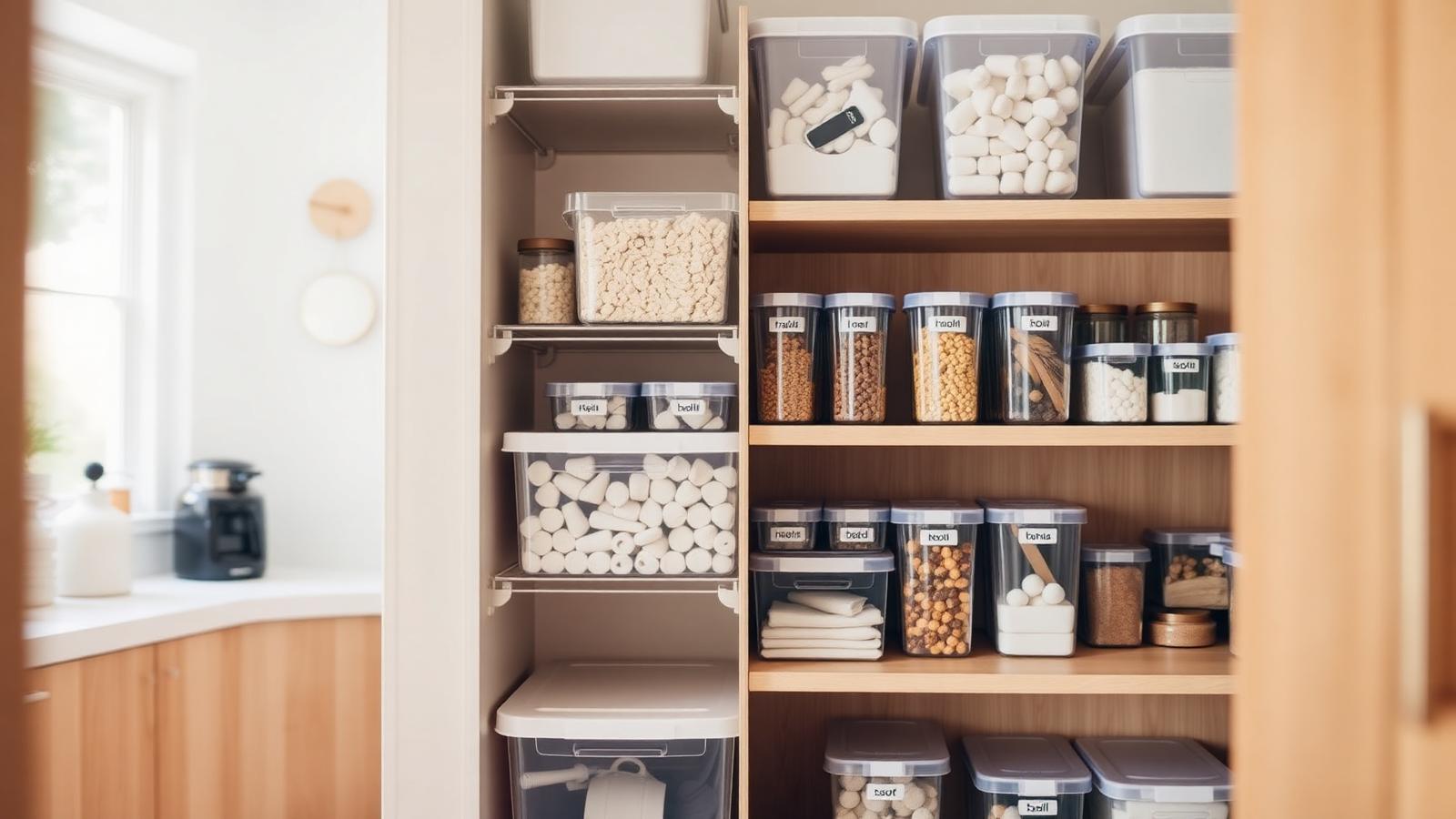
The systems that stick share three traits: one home per category, easy-to-lift bins, and a weekly reset built into an existing routine.
The Three Rules That Make Organization Stick
- One home for every category, labeled visibly. If anyone in the household has to ask where something goes, the system has already failed.
- Easy in, easy out. Bins you lift with one hand. No stackable towers that require disassembly. No lids that require two hands.
- A weekly reset attached to an existing routine. Sunday grocery unload, Friday afternoon, after-school pickup — pick the moment that already happens.
How to Use This Guide
Pick the room or zone driving you the most crazy right now — usually a fridge, entryway, or kitchen drawer. Each guide below is self-contained: shopping list, step-by-step setup, and the weekly maintenance routine. Tackle one space per weekend and the whole house gets organized in 6–8 weeks without burnout.
Complete Organization Guides
Each guide below is a complete, illustrated walkthrough — bins, brands, layout, and the reset routine that keeps it organized.
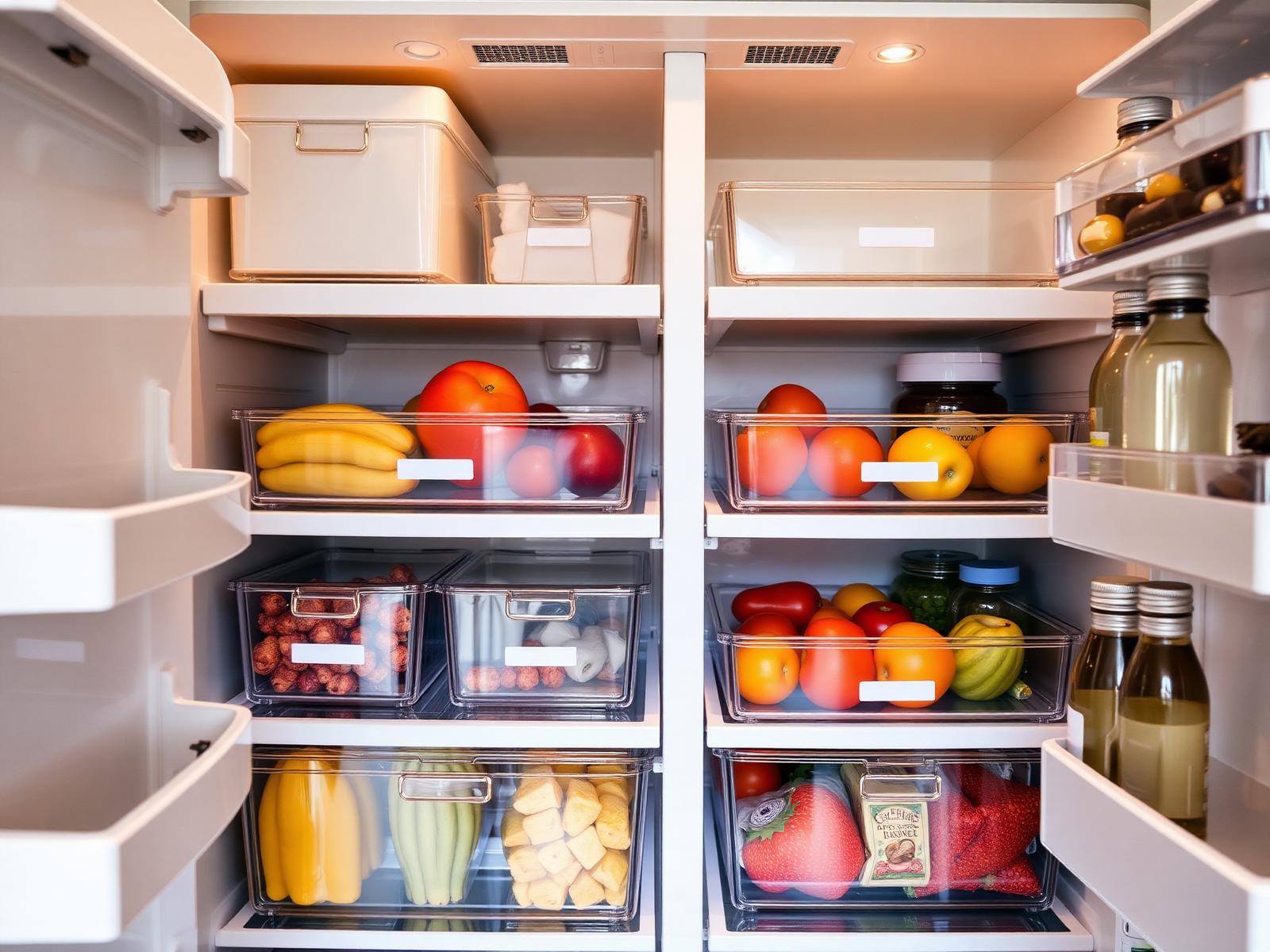
Fridge Organization
Temperature zones, the bins that actually last, a 10-minute weekly reset, and a 16-item shopping list — built to stay organized.
- Best for
- Anyone losing leftovers at the back of the shelf
- Time
- 2–3 hours
- Budget
- $60–$120
Read the full guide →
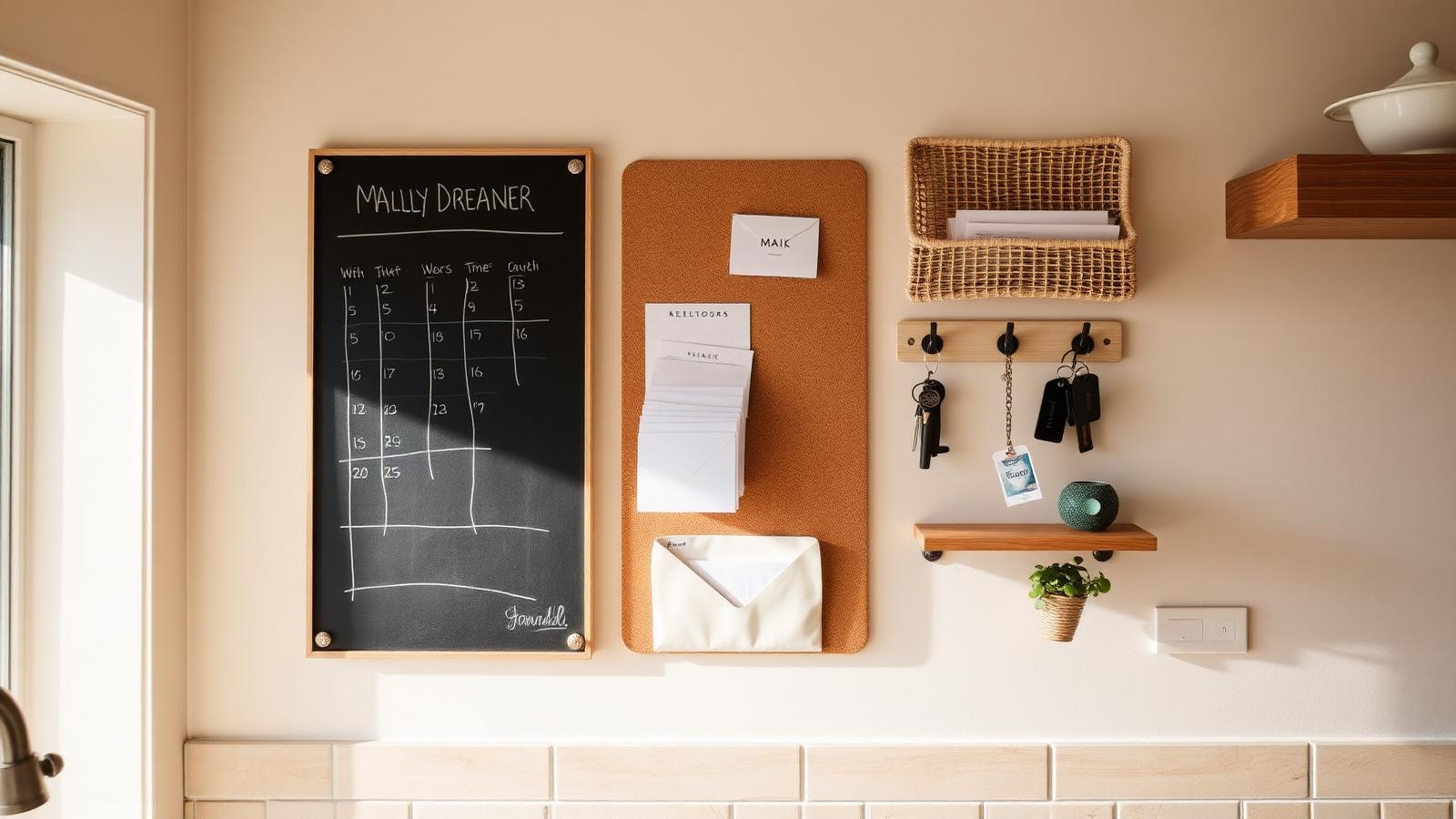
Family Command Center
Calendars, mail, keys, school paper, and the daily-life logistics that pile up on the kitchen counter — sorted onto one wall.
- Best for
- Households with kids, schedules, or paper overflow
- Time
- Half a day
- Budget
- $40–$200
Read the full guide →
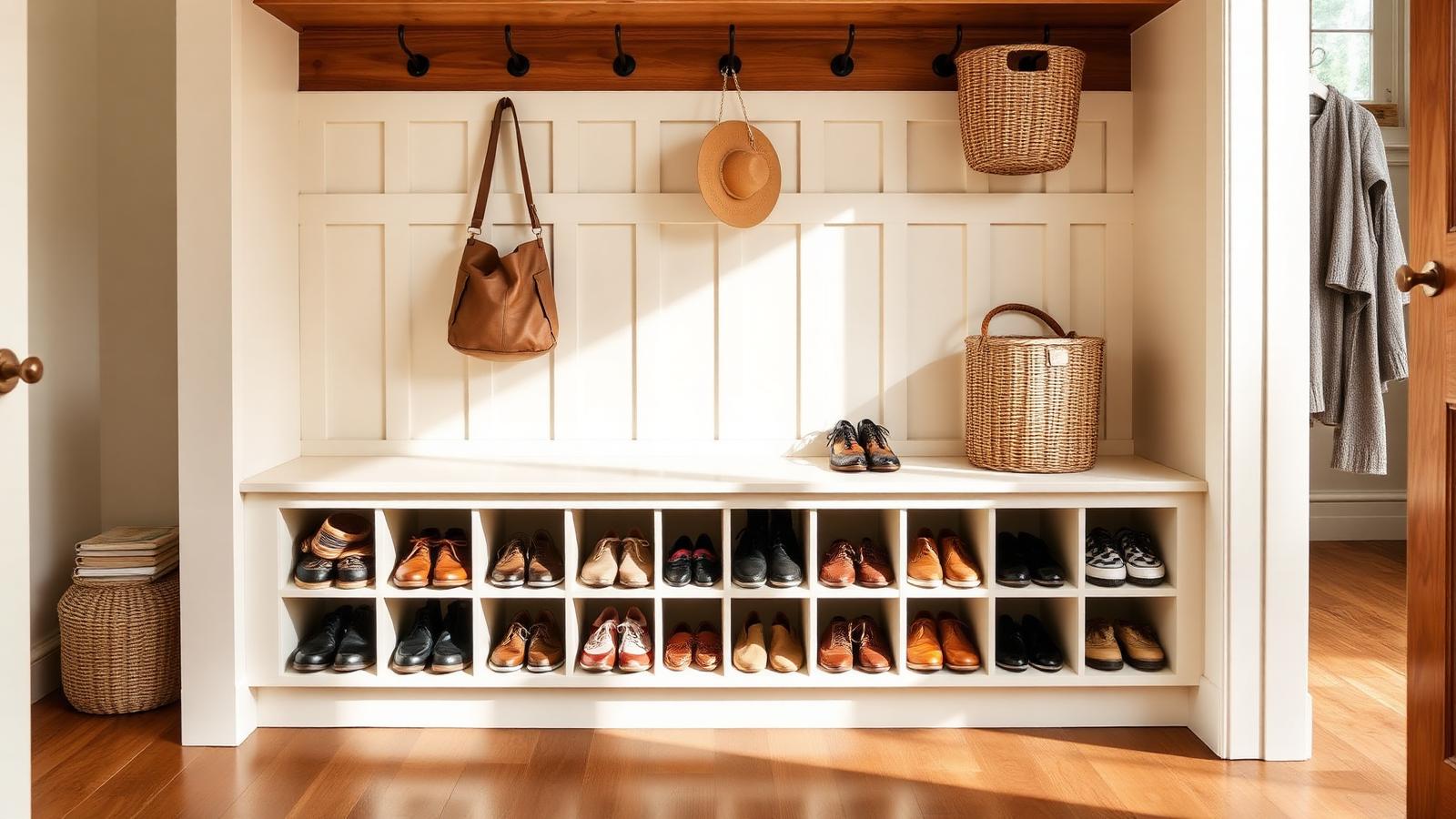
Shoe Storage
Entryway benches, closet cubbies, over-door racks, and the 80/20 rule that solves shoe pileup in apartments and houses alike.
- Best for
- Entryways, mudrooms, and primary closets
- Time
- 1–3 hours
- Budget
- $30–$300
Read the full guide →
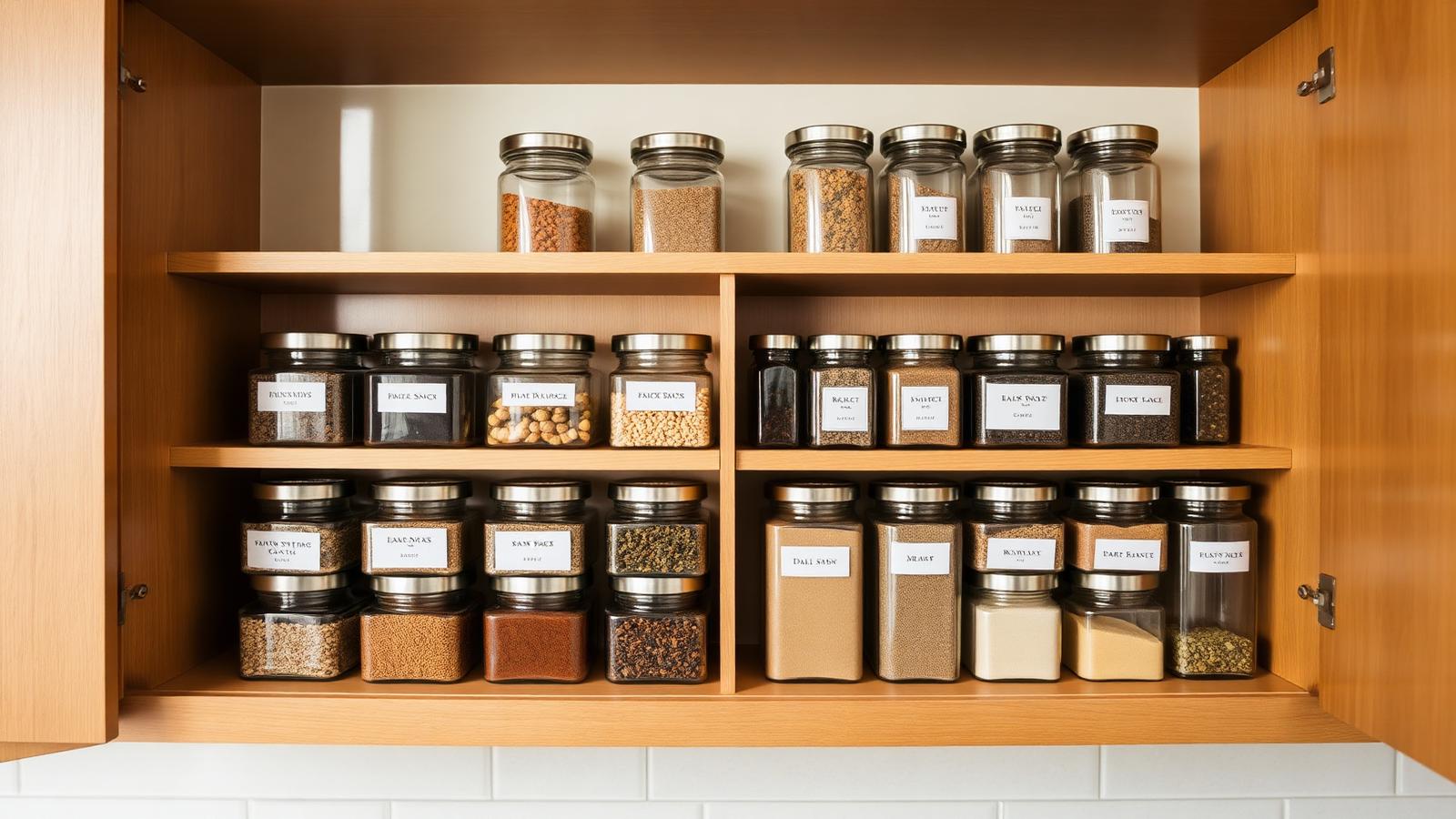
Spice Rack Organization
Drawer inserts, tiered shelves, magnetic tins, decanting systems — and the labeling approach that actually helps you cook faster.
- Best for
- Anyone hunting for cumin behind seven duplicates
- Time
- 1–2 hours
- Budget
- $25–$100
Read the full guide →
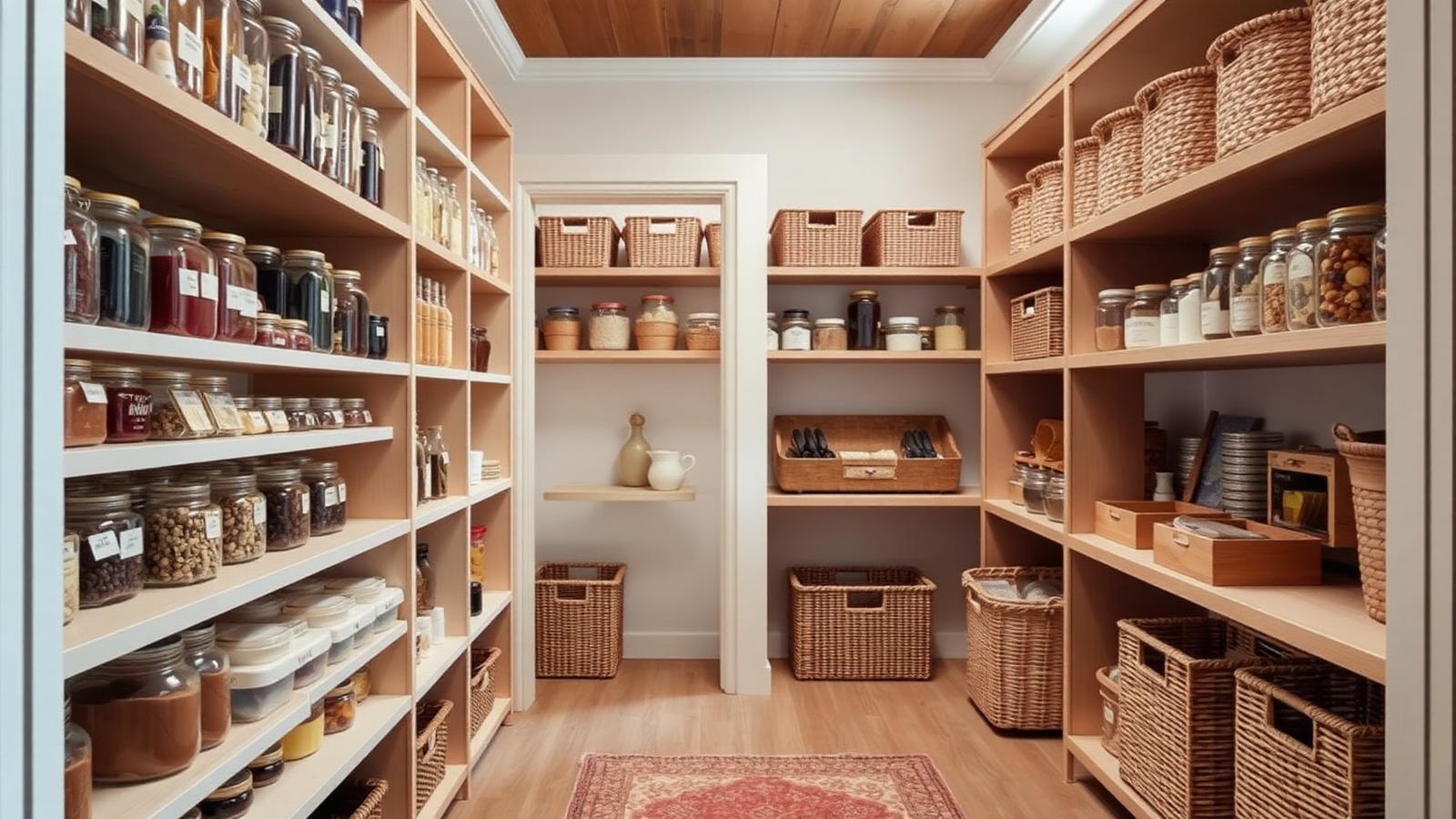
Pantry Organization
Six pantry zones, decanting rules, the bins that survive a year, and layouts for walk-in, reach-in, and cabinet pantries.
- Best for
- Walk-in, reach-in, and cabinet pantries
- Time
- Half a day
- Budget
- $80–$700
Read the full guide →
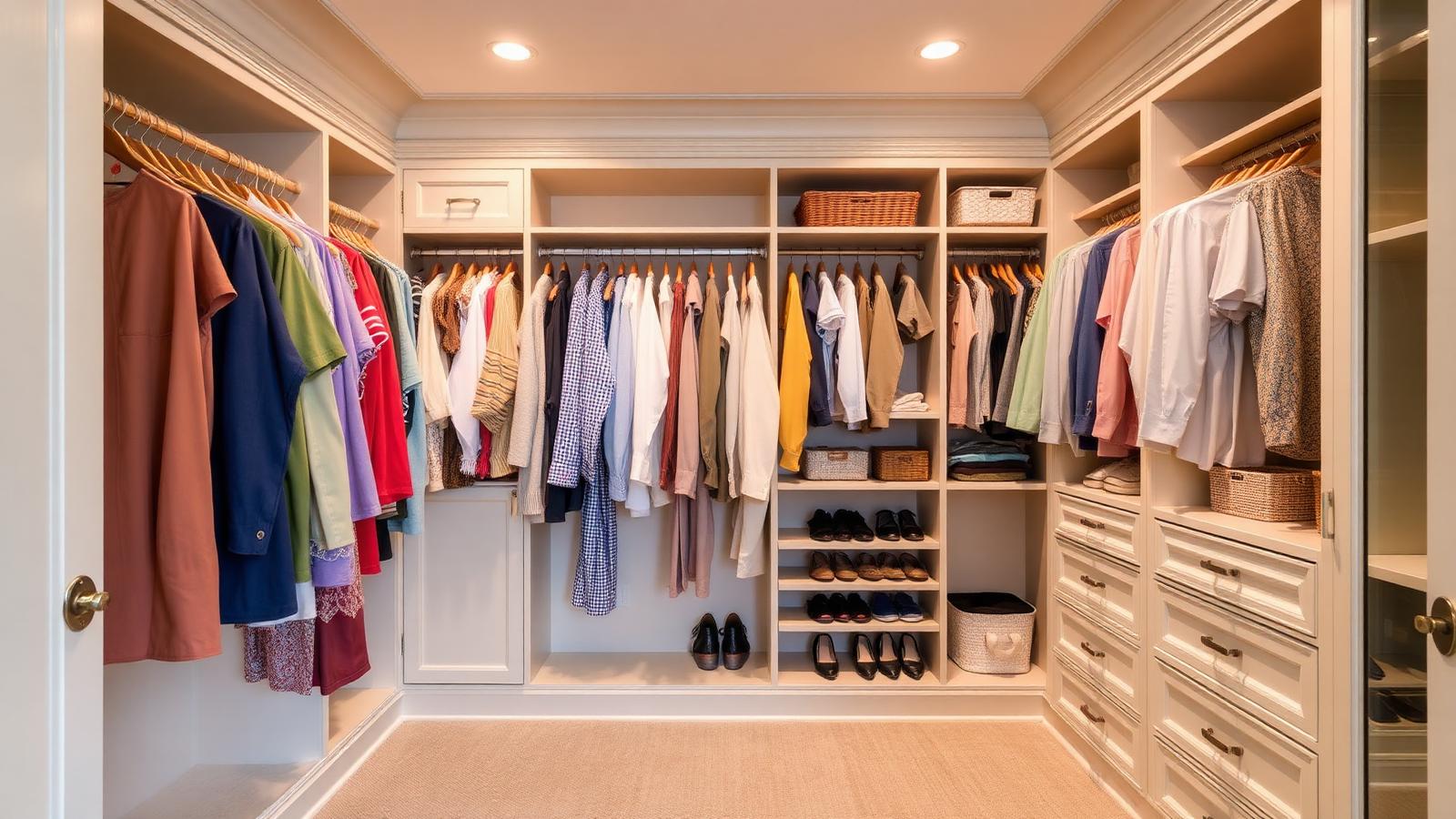
Closet Organization
Elfa vs IKEA Pax vs custom, capsule wardrobe logic, hanging vs folding rules, and the layouts that work for reach-ins and walk-ins.
- Best for
- Primary closets and reach-ins
- Time
- Half to full day
- Budget
- $80–$15,000
Read the full guide →
The 6-Week Whole-Home Organization Plan
If you tackle one space per weekend, in this order, the highest-friction parts of daily life are handled first:
- Week 1 — Fridge. Sets the standard for bin quality and the weekly reset routine.
- Week 2 — Command center. Pulls paper, keys, and mail off the counter.
- Week 3 — Entryway / shoes. Solves the first thing every visitor sees.
- Week 4 — Spice rack. Speeds up every meal you cook.
- Week 5 — Pantry. The biggest visible win in most kitchens.
- Week 6 — Primary closet. Tackled last because it's the biggest project.
Bins, Brands, and What's Worth Paying For
The three brands professional organizers reach for again and again:
- OXO Good Grips POP containers. The gold standard for pantry decanting — one-button seal, modular sizing, no bin in our test kitchen has failed in five years.
- mDesign clear bins. Best value for fridge and pantry organization. BPA-free, reinforced rims, dishwasher-safe.
- iDesign Linus bins. The workhorse for under-sink and bathroom drawers — open tops, integrated handles, six sizes that nest.
More Guides Coming
- Linen Closet Organization. Sheet-set folding, towel rotation, and the bins that fit standard depths
- Junk Drawer Organization. The five categories every junk drawer actually needs
Planning the Budget Next?
Design decisions get easier once you know the numbers. These cost guides use 2026 pricing from real quotes.
- Remodel Cost GuidesROI rankings and real pricing for every major project.
- Home Services CostsPanel upgrades, EV chargers, rewires, and rebates.
- Tub-to-Shower Conversion CostThe most-requested bathroom cost breakdown on the site.
Already holding a contractor quote? Bathroom Remodel Estimate Review — $49, back in 48 hours.
Frequently Asked Questions
Where do I start organizing my home?
Start with the smallest, highest-frequency space you touch every day — usually the fridge, a single junk drawer, or the entryway. Finishing one small space in an afternoon builds momentum and shows you the system that will work for your household before you commit it to a whole pantry or closet. The wrong place to start is a basement or garage: those projects take days, demoralize most people, and don't change daily life.
What organization system actually lasts past a month?
The systems that last share three traits: (1) one home for every category, labeled visibly so other household members can put things back; (2) bins that are easy to lift out and wipe — not stackable towers that require disassembly; (3) a 10-minute weekly reset built into an existing routine (Sunday grocery unload, Friday afternoon). The systems that fail rely on memory, perfect compliance, or daily maintenance most people can't sustain.
Which organization brand is actually worth the money?
For clear bins: OXO Good Grips, mDesign, and iDesign Linus are the three brands professional organizers reach for — reinforced rims, BPA-free, and they survive cold fridge zones without cracking. For drawer organizers: expandable bamboo (Royal Craft Wood) or interlocking acrylic (mDesign). For closet systems: Elfa from The Container Store is the gold standard for adjustability; IKEA Pax is the best value if you can install it yourself. Skip cheap unbranded sets — they crack inside a year.
Do I need to declutter before organizing?
Yes — every minute spent organizing items you'll donate within a year is wasted. The minimum useful pass: pull everything out, sort into keep / donate / trash, then put back only what earned its place. The 80/20 rule applies — most households use 20% of their stuff 80% of the time. Organizing the other 80% before culling it just creates more attractive clutter.
How much should I budget for organizing my whole home?
DIY with smart picks: $40–$80 per small space (drawer, fridge zone, command center), $150–$300 per medium space (pantry, entryway), and $400–$800 per large space (primary closet, garage zone). A whole-home refresh runs $1,500–$3,500 in supplies. Professional organizers charge $50–$150/hour plus product — figure $2,000–$8,000 for a whole-home engagement. The highest-ROI single purchase is almost always pantry bins with labels.