
Whole-House Rewire Cost (2026): The Real Numbers
A whole-house rewire is one of the biggest service projects a homeowner ever buys — and the one with the widest pricing spread and the most hidden costs. This is real 2026 pricing by square foot, the premiums for knob-and-tube and aluminum branch wiring, the drywall repair budget electricians never quote, and how to live in the house through it.
Updated May 2026 · 11 min read
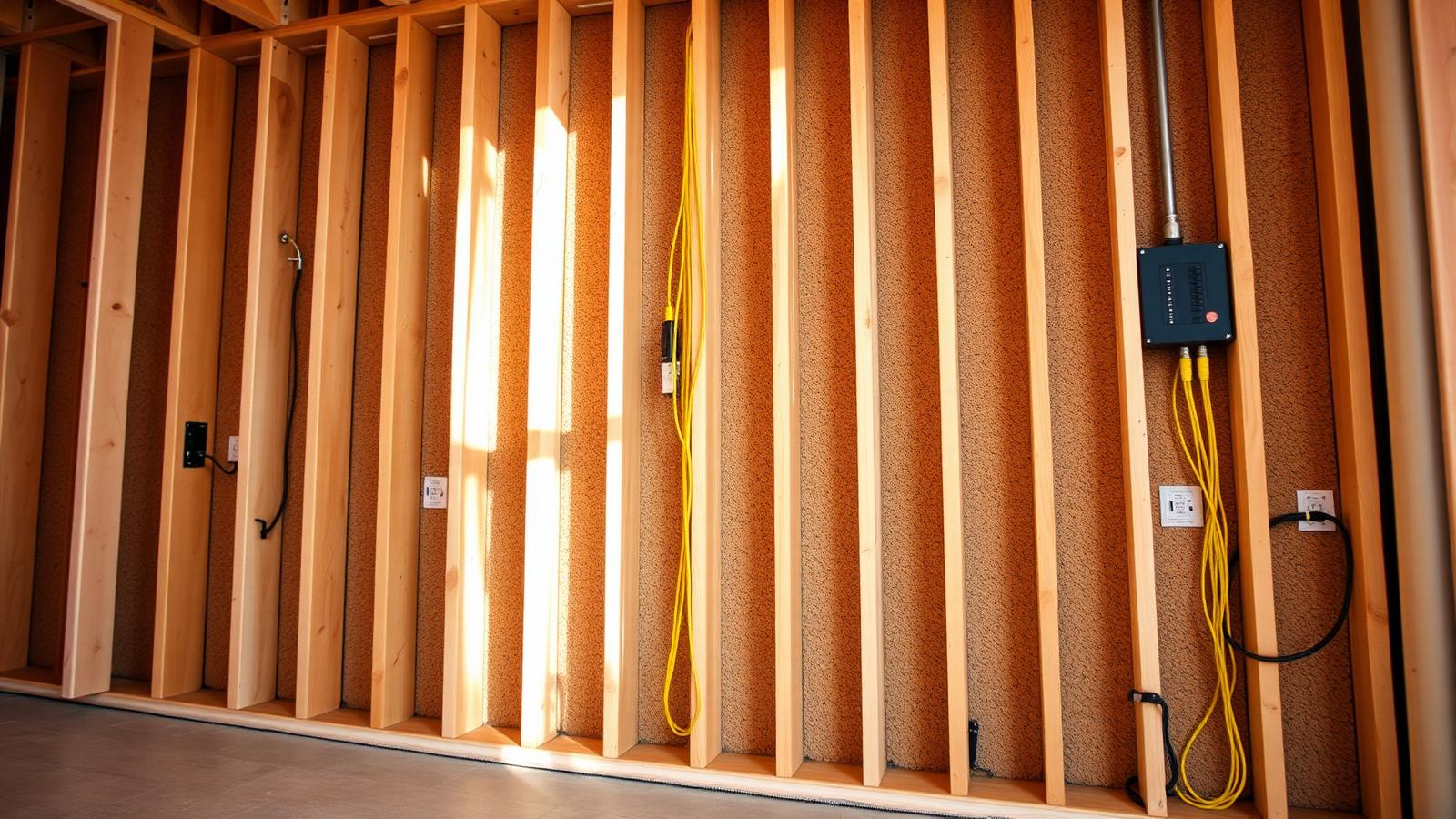
A typical 2,000 sq ft rewire involves cutting access every 4–8 feet along every wall — the drywall repair after is a separate $3,000–$8,000 line item most electricians don't include.
2026 Pricing by Home Size
| Home size | Electrical scope | Total range (with drywall) |
|---|---|---|
| 1,500 sq ft | $6,000–$11,000 | $8,000–$15,000 |
| 2,500 sq ft | $10,000–$17,000 | $14,000–$22,000 |
| 4,000 sq ft | $16,000–$28,000 | $22,000–$35,000+ |
Premiums That Add to the Base Price
- Knob-and-tube removal: +$2–$4/sq ft. The cable is brittle, runs through joist bays, and any insulation around it has to come out and be replaced. Most insurers refuse to write a new policy on a knob-and-tube home, so this premium pays itself back at sale.
- Aluminum branch wiring replacement: +$1.50–$3/sq ft. 1965–1975 homes. The fire risk is documented at outlets and switches; the AlumiConn/COPALUM pigtail alternative is cheaper but doesn't fully resolve insurance flags.
- Plaster walls instead of drywall: +25% labor. Cutting plaster is slower, dustier, and the patch quality is harder. Plaster homes also tend to be older and more likely to have other issues hiding behind the walls.
- Finished basement: +$1,500–$4,000. Access from below is the easiest way to run new home runs. A finished basement removes that access and forces wall-cut work upstairs.
- Two-story access: +$1,000–$3,000. Running cable from the basement panel to the second floor without a chase requires extensive wall and ceiling cuts.
- Adding circuits while you're in the walls: $200–$400 each. Once the walls are open, every new outlet, light, or smart-switch circuit is roughly 1/3 the cost of doing it later.
The Drywall Repair Line Item Electricians Don't Quote
The single biggest budget surprise on a whole-house rewire: the rough-in quote you sign almost never includes drywall patching, mudding, sanding, priming, or painting. A rewire requires access cuts every 4–8 feet along every wall — that's 50–150 patches in a typical 2,000 sq ft house. Drywall contractors charge $150–$400 per patch including paint, which adds $3,000–$8,000 to the total project. Get a written drywall scope from a second contractor before you sign the electrical quote.
The Permit and Inspection Reality
Every U.S. jurisdiction requires a permit for a whole-house rewire and at least two inspections — a rough-in inspection after cable is run but before drywall is patched, and a final inspection after fixtures and devices are installed. Permit fees range $400–$1,500 depending on the jurisdiction. Skipping the permit voids your homeowner's insurance for any future electrical claim, blocks the home sale when a buyer's inspector flags the work, and removes any third-party check on whether the work was done correctly.
How to Live in the House During the Work
- Negotiate an "always-on" circuit. Most electricians can keep the kitchen fridge, one bedroom outlet, and the internet router live through the entire rough-in. Ask for this in writing.
- Plan a 3-day hotel during drywall. Drywall dust gets into every fabric, electronic, and pet in the house no matter how much plastic sheeting goes up. Families with infants, asthma, or pets typically hotel the full project.
- Move one room at a time. A typical schedule does one floor or one zone per day. Pack that area into bins the night before so the crew can work fast.
- Accept a kitchen out for 1–2 days. Most rewires take the kitchen offline at least once. Plan takeout, paper plates, and the cooler-on-the-counter routine.
What's Worth Adding While the Walls Are Open
The marginal cost of adding scope during a rewire is the lowest you'll ever see. The high-ROI add-ons:
- Recessed lighting with smart dimmers. $150–$250 per can installed instead of $400–$600 later.
- EV charger 240V circuit. $400–$800 to run the home run during rewire vs $1,500–$2,500 as a standalone job.
- Cat6 or fiber low-voltage runs. $80–$150 per drop. Worth it in every bedroom, every TV location, and the home office.
- USB-C wall outlets at the bed, sofa, and desk. $35–$60 per outlet installed. The single most-thanked detail in every post-renovation review.
- Whole-house surge protector at the panel. $200–$400. Saves $1,500–$3,000 of appliances after the next nearby lightning strike.
Rebates and Tax Credits That Apply
- 25C Energy Efficient Home Improvement Credit. Up to $600 if the rewire enables a panel upgrade paired with electrification equipment. Stack with the panel-upgrade portion.
- HEEHRA point-of-sale rebates. Up to $4,000 for panel and wiring work that enables a heat pump, EV charger, or induction range. 100% coverage for low-income, 50% for moderate-income.
- State and utility programs. Search DSIRE (dsireusa.org) for your ZIP. Some utilities offer flat $500–$1,500 rewire rebates for homes removing knob-and-tube.
Frequently Asked Questions
How much does it cost to rewire a whole house in 2026?
A whole-house rewire costs $8,000 to $30,000 in 2026, with most homeowners paying around $4–$9 per square foot of finished area. A 1,500 sq ft home typically runs $8,000–$15,000; a 2,500 sq ft home runs $14,000–$22,000; and a 4,000+ sq ft home runs $22,000–$35,000+. Knob-and-tube removal adds $2–$4/sq ft; aluminum branch-wiring replacement adds $1.50–$3/sq ft. Plaster walls instead of drywall add roughly 25% to labor because access is harder.
Is it worth rewiring an old house?
Yes, in three situations: (1) the house has knob-and-tube wiring, which most insurers either refuse to cover or surcharge heavily; (2) the house has aluminum branch wiring from the 1965–1975 era, which has a documented fire risk at outlets and switches; (3) the panel is already being upgraded and the existing branch wiring is undersized for the new load. Outside those situations, partial rewires (kitchen, primary bedroom, EV circuit) usually deliver more value than a full whole-house rewire.
How long does a whole-house rewire take?
Plan for 5 to 10 working days for a typical 1,500–2,500 sq ft home — 2–3 days for the rough-in (running new cable and boxes), 1 day for inspection, then 2–4 days for drywall patching, painting, and finish trim. Larger homes or homes with plaster walls or finished basements can stretch to 3–4 weeks. The house has no power to the affected circuits during rough-in, but most electricians can keep at least one fridge/freezer circuit live throughout.
Can I live in my house during a rewire?
Most families do, but it's miserable for the rough-in week. Expect daily power shutoffs to rotating areas of the house, drywall dust everywhere despite plastic sheeting, and at least one room out of commission at any given time. The two things that make it tolerable: (1) negotiate an 'always-on' circuit for the kitchen fridge plus a single bedroom outlet, and (2) move to a hotel or family for the 3 days drywall is being patched and sanded. Families with infants, asthma, or pets often hotel the entire project.
Does a rewire include drywall repair?
Almost never in the electrician's quote — and this is the single biggest source of budget surprise. A rewire requires cutting access holes every 4–8 feet along every wall, behind every outlet and switch, and at every junction. Drywall patch, mud, sand, prime, and paint typically adds $3,000–$8,000 to a 2,000 sq ft rewire and requires a separate drywall/paint contractor on most jobs. Get a written drywall scope from a second contractor before signing the electrical quote.
Does homeowner's insurance pay for a rewire?
Only if the rewire is being done to repair damage from a covered event (typically electrical fire, lightning strike, or storm-caused service damage). Insurers will not cover proactive rewires of knob-and-tube or aluminum wiring even though they often surcharge or refuse to insure homes that still have them. A few state-run insurer-of-last-resort programs offer rewire grants or low-interest loans — check your state department of insurance.